USB Stick Removes Tensor Throttle on Nvidia RTX Cards
The open-source nv-uefi-unlocker now works on Windows and lifts Nvidia's tensor throttle from a USB drive at every boot. On the developer's RTX 4060 laptop, FP16 performance rose 65 percent.
 Merhabyte Newsdesk · · 3 min read
Removing the limiter that halves tensor-unit speed on Nvidia GeForce cards has mostly meant hand-installed Linux modules, with Windows support only experimental. A new open-source project called nv-uefi-unlocker changes that: the tool is copied to a FAT32-formatted USB drive and runs every time the computer starts, before the Nvidia driver loads.
There is no need to write a VBIOS or patch the driver. On the developer's own RTX 4060 laptop, FP16 matrix-multiplication performance rose 65 percent. The project targets RTX 20, 30 and 40 series desktop and laptop cards.
How the tool works
nv-uefi-unlocker uses the community-developed V67 payload to remove the tensor throttle and checks the result with a read-back verification. The method relies on steering Nvidia's signed Booter firmware into unlocking the write lock on two speed-selector registers; once the lock is open, the tensor units can run at full speed. The verification step eases a safety concern that worried users of earlier experimental versions.
The repository contains only scripts and its own compiled binaries, with no Nvidia firmware inside. One script downloads and verifies Nvidia's publicly available 610.43.03 driver packages and rebuilds the firmware files locally. The project credits Zagitta's gpu-unlock work as the source of the port and also draws on community efforts such as the gpu-unlock-ada fork for RTX 40 and an earlier Windows EFI tool.
Setup means downloading the release, running the script, and copying the rebuilt files and BOOTX64.EFI to a FAT32 USB drive. When the drive is chosen from the one-time boot menu, the user confirms with the space bar within 30 seconds, after which control passes to the operating system loader.
Limits and caveats
The unlock does not survive a power loss, so it has to be reapplied at every boot. The system must start in UEFI mode with Secure Boot either disabled or set to trust a self-signed EFI binary. A developer team member has reportedly said the tool cannot get around the Secure Boot requirement of games with anti-cheat systems. RTX 20 owners must first run a script in the package once, switch the Nvidia driver to GSP firmware mode in Windows, and reboot.
On laptops, the discrete Nvidia GPU must be powered at the point of entry, so only discrete-GPU or MUX mode is recommended. On Linux distributions such as Ubuntu, runtime power management can switch off an idle GPU and silently wipe the unlock; the project's English FAQ offers workarounds.
Zagitta, for its part, writes in its FAQ that it does not use Windows and does not plan to maintain that platform, points Windows users to a separate port, and advises caution with unofficial Windows install packages. The per-card ROM-hash check that the project's own safety rules require is not yet ready, and persistence on Thunderbolt eGPUs is not guaranteed.
Supported cards and measurements
RTX 20 series compatibility is listed as fully compatible with known issues on some models; RTX 30 is fully compatible, and RTX 40 is fully compatible on both laptop and desktop. GTX 16 looks theoretically compatible but awaits verification. Pre-Turing cards, the GA100 and the RTX 50 series are not supported. Because the project routes support by chip family, a card being in scope does not mean that model has been tested.
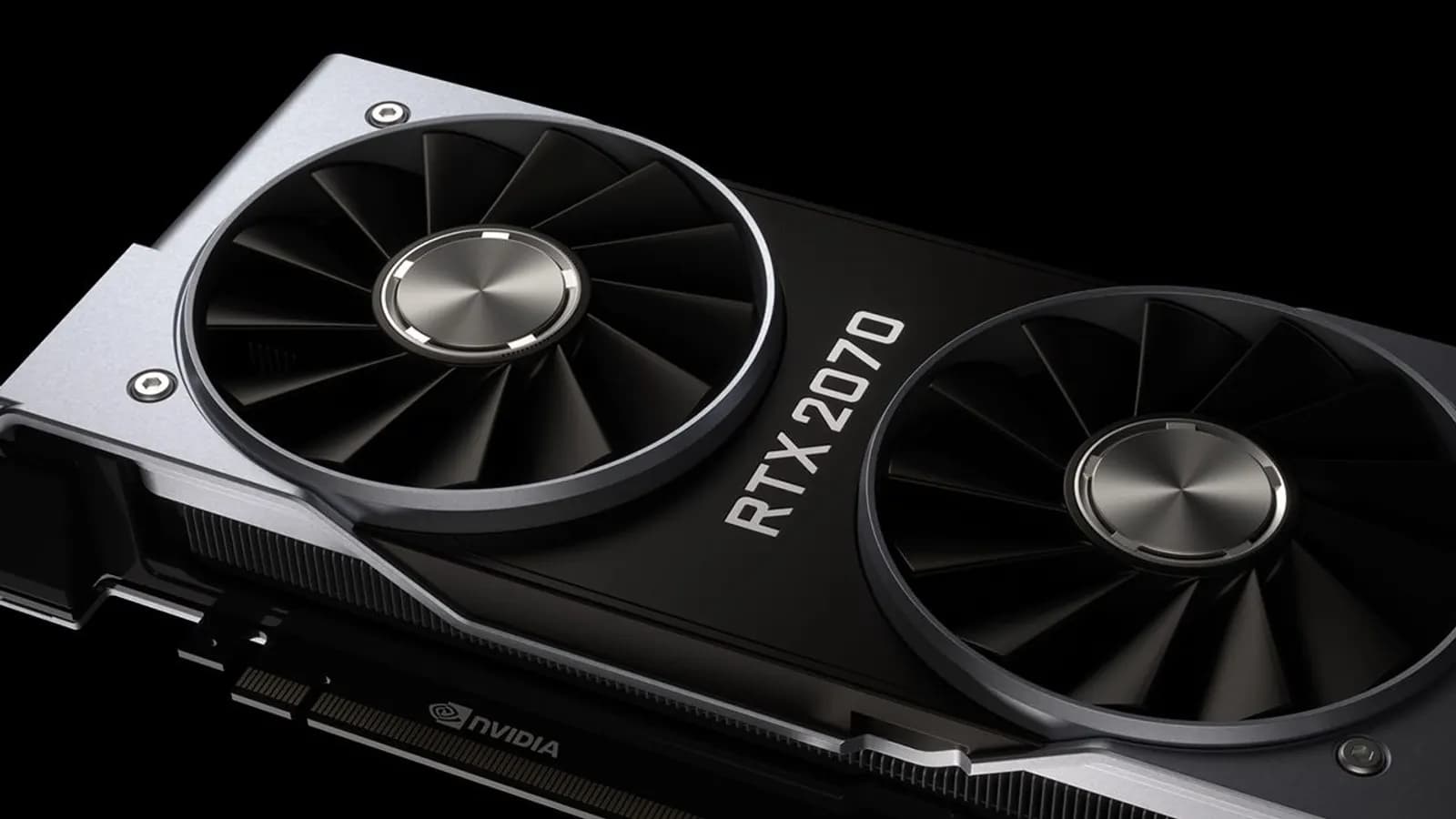
Cards confirmed working on Windows include the RTX 2070, RTX 2060 Super, RTX 3080, 3060 Ti, 3060 12GB, laptop 3080 Ti and 3070, RTX 4090, 4080, 4070 Ti Super, 4070 Super, 4070, 4060 Ti (8 and 16 GB), and the laptop 4060 and 4050. The RTX 2080, 2080 Ti and 2080 Super, by contrast, fail at boot or at the handoff stage.
Reported results show FP16 matrix multiplication on the RTX 2070 rising from roughly 36 TFLOPS to 60-63 TFLOPS, on the RTX 3060 12GB from 25.37 to 45.79, and on the RTX 4080 in a BF16 test from 100.37 to 192.18. The RTX 4090's gain was held back by its power limit, going from 118.42 to 171.52 TFLOPS, a factor of 1.45. Because the tests differ from row to row, the figures should not be used to compare cards. The project says the unlock can be combined with the nvoc power-limit lock, but warns that this may push past factory power and thermal limits.
Comments
No comments yet. Be the first to comment.