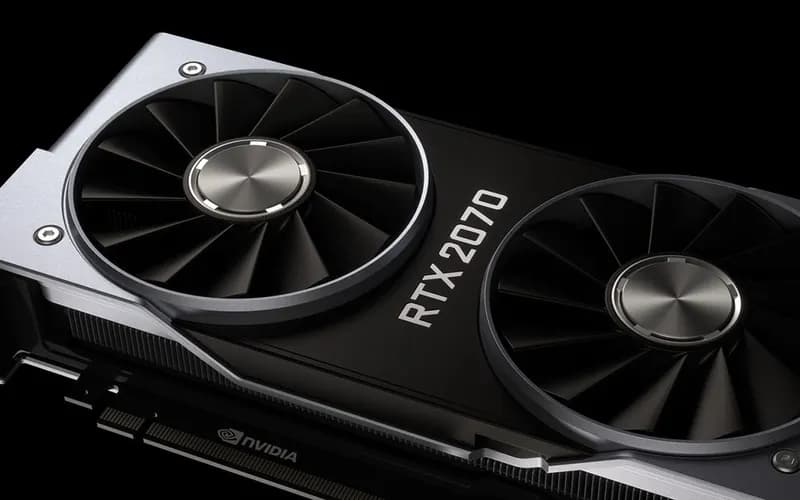
OpenAI Reportedly Plans to Buy Google's AI Chips
OpenAI is said to be planning to purchase Google's TPUs to diversify its computing sources. The financial terms of the deal have not been disclosed.
 Merhabyte Newsdesk · · 2 min read
OpenAI, the developer of ChatGPT, is reportedly planning to buy Google's AI chips to expand its computing capacity. According to the information available, the planned purchase covers Google's tensor processing units (TPUs). The move would let the company look beyond its long-standing dependence on Nvidia processors and source computing capacity from another supplier as well.
The financial terms of the deal, the number of chips involved and the delivery schedule have not been made public. The report comes at a time when demand for AI infrastructure is growing rapidly and the cost of training and running models keeps rising, pushing technology companies to look for additional processors.
Google's TPUs emerge as an alternative to Nvidia
Google's TPUs are drawing interest from customers seeking alternatives to the Nvidia GPUs that remain widely used for training and running AI models. Alphabet, Google's parent company, has expanded commercial sales of these chips, which were previously used mainly in its own computing infrastructure, and has given selected outside customers access to the processors.
OpenAI is already among Nvidia's leading customers, buying GPUs to build and run its own AI systems, including those that power ChatGPT. The reported Google purchase suggests the company does not want to rely on a single supplier for its computing capacity.
Commercial ties between the two rivals deepen
The relationship between the two companies is not new. In 2025, OpenAI began renting Google's AI chips to support its products. It was also recently announced that OpenAI's advanced AI models would become available through Google Cloud, another commercial link between the two.
Google and OpenAI compete in AI development and other technology markets, yet they are increasingly striking arrangements over computing resources and access to products.
OpenAI is also developing its own chip
Alongside buying chips from outside suppliers, OpenAI continues its own processor development program. In June 2026, the company said it had designed an AI chip together with semiconductor firm Broadcom. OpenAI said it plans to put the processor into service before the end of 2026 and described the work as part of a multi-generation effort to develop purpose-built hardware.
Taken together, the Nvidia purchases, the custom chip program and the reported Google deal indicate that OpenAI aims to source computing capacity from several places.
Alphabet's TPU revenue will arrive over time
Google's growing chip business could benefit from this demand, which matters particularly as Alphabet looks for commercial returns on its heavy investment in AI infrastructure. Alphabet's chief financial officer, Anat Ashkenazi, said earlier that the company expected to book a small portion of the revenue from TPU sales agreements by the end of 2026, with the bulk of it expected to be recognized in 2027.
According to reports, Alphabet, Amazon and Microsoft are expected to spend as much as $600 billion in total on AI infrastructure in 2026. The figure is drawing investor attention, and the question of when investments in computing capacity will deliver adequate returns remains on the agenda.
Comments
No comments yet. Be the first to comment.