Bluetooth LE Speed Jumps From 2 Mbps to 7.5 Mbps
The Bluetooth SIG has approved High Data Throughput as an optional feature of Core 7.0. The first devices are expected to arrive in 2027.
 Merhabyte Newsdesk · · 2 min read
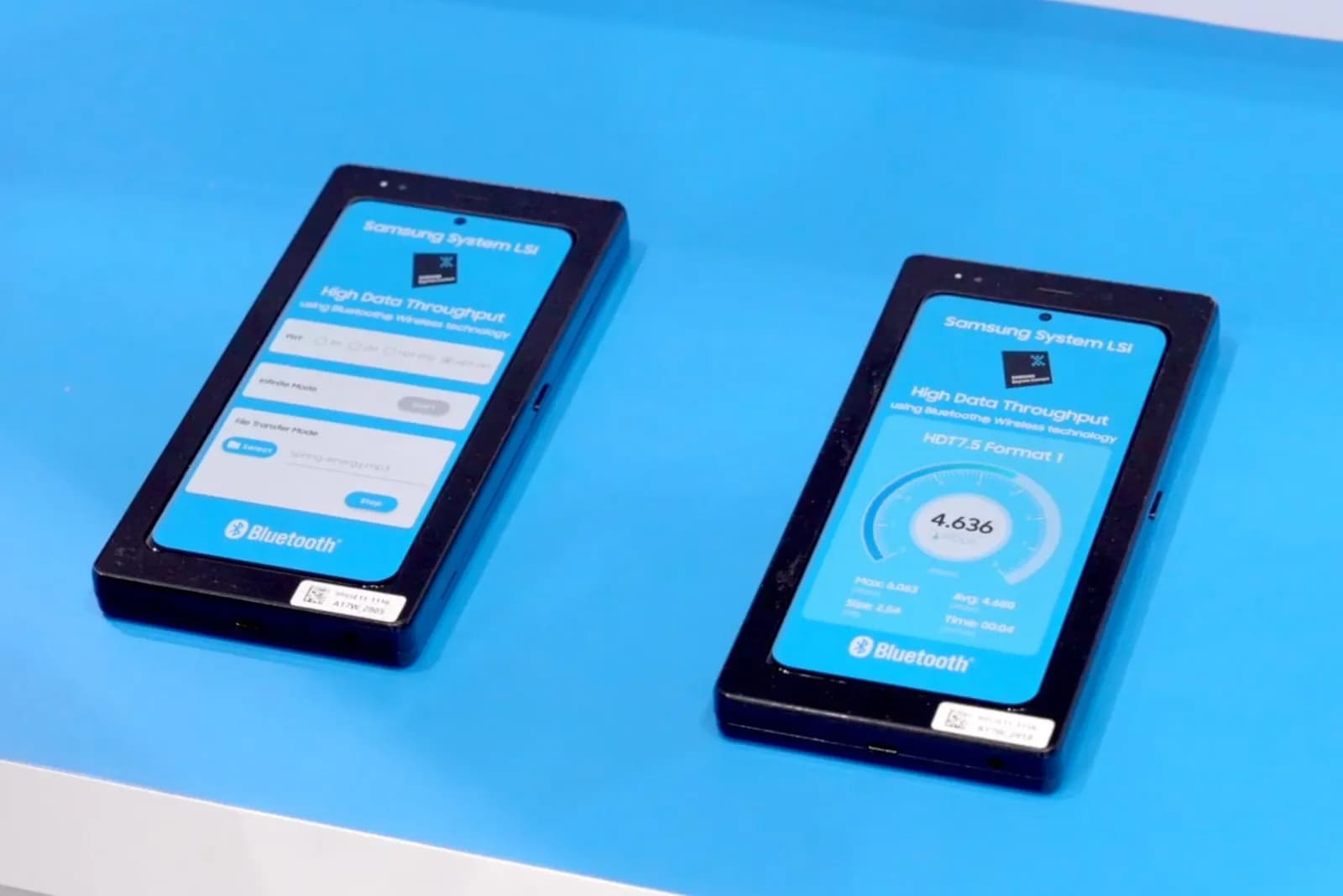
The Bluetooth Special Interest Group (SIG), which governs the Bluetooth standard, has officially adopted Bluetooth High Data Throughput (HDT) as an optional part of Bluetooth Core 7.0. Previewed over the past year, the feature raises the maximum bit rate supported by Bluetooth LE from 2 Mbps to 7.5 Mbps, a nearly fourfold increase.
The higher speed is meant to enable more than higher-resolution audio streaming. It is also expected to improve battery life and connection reliability. The first devices supporting HDT are expected to appear during 2027.
What changes for wireless audio
Wireless audio is once again the primary use case for HDT. The higher bit rate will support high-resolution audio streaming as well as new wireless audio experiences such as spatial audio and multichannel surround sound. The aim is for these experiences to be delivered without relying on manufacturer-specific wireless formats.
HDT is defined as an optional feature of Bluetooth Core 7.0, which means not every device implementing that version of the standard is required to support it. The first HDT-capable devices are expected to show up in 2027.
From smartwatches to AI devices
The benefits of HDT extend beyond headphones. Moving more data in less time means the Bluetooth radio can stay on for shorter periods. That matters especially for smartwatches, where workout, health and fitness data could be synced to the phone in greater volume without cutting into battery life.
Spatial computing and extended reality devices are also among the targets, with the goal of delivering more capable experiences without needing a Wi-Fi connection. Personal AI devices, a growing category, could transfer data to a smartphone for processing more efficiently, potentially allowing those devices to be lighter and smaller.
The speed boost could also show up in everyday firmware updates. Updating a smartwatch or a smart home accessory may feel faster, becoming a task you no longer have to put off until a moment when you are not using the device.
Statement from the Bluetooth SIG
Bluetooth SIG CEO Neville Meijers said Bluetooth HDT brings a new level of performance to Bluetooth technology. According to Meijers, the feature broadens the technology's role across consumer, commercial and industrial markets and provides a strong foundation for the next generation of wireless innovation.
Meijers also noted that Bluetooth is the world's most widely used wireless standard and continues to evolve to meet growing connectivity needs.
Comments
No comments yet. Be the first to comment.