
AMD posts record revenue as gaming sales fall 40 percent
AMD reported a record $13.4 billion in Q3 2026 revenue, driven almost entirely by data centers, while its gaming segment shrank 40 percent year over year.
 Merhabyte Newsdesk · · 2 min read
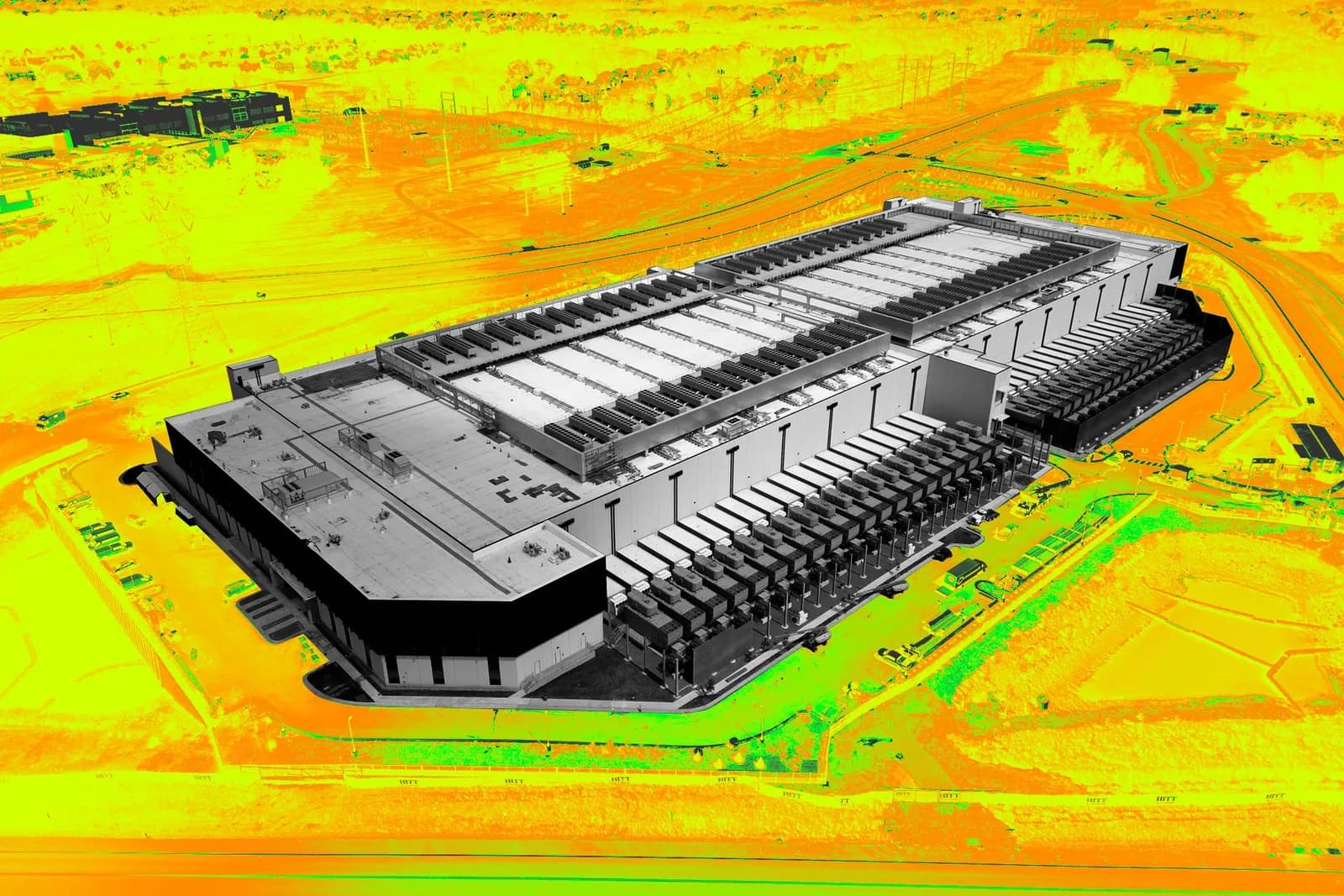
AMD closed the third quarter of 2026 as the biggest and most profitable quarter in the company's history. According to CEO Lisa Su, speaking on Tuesday's earnings call, the company brought in a record $13.4 billion in revenue and expects to reach a new high of $17 billion next quarter.
Most of that growth came from the data center business. Over the same period, the gaming segment shrank 40 percent compared with a year earlier. Many products, including PCs and consoles, are seeing price increases as component shortages triggered by demand from AI data centers take hold. AMD's record results show two very different sides of the company at once: a rapidly growing data center operation on one hand, and a gaming business contracting under price pressure on the other.
Data center drives the growth
AMD's data center business generated $8.5 billion in revenue in the third quarter, roughly 63 percent of the company's quarterly net revenue. Total revenue rose by $1.9 billion in the quarter, and $1.8 billion of that increase came from data centers, meaning nearly all of the quarter-on-quarter gain originated in a single segment.
The company's revenue jumps over the past few years have tracked movements in its data center business closely, and this quarter's numbers suggest the same trend is continuing.
Su said the company expects revenue to grow by more than 80 percent in 2027, with data centers making the largest contribution. CFO Jean Hu, answering a question, said that looking ahead to 2027 the company expects data centers to account for more than 80 percent of total revenue. That implies a marked shift in the revenue mix from today's 63 percent.
Gaming takes a sharp hit
In the same quarter, AMD's gaming revenue fell 40 percent year over year to $773 million. Computers, game consoles and other hardware have seen price increases in recent months. The cause is reportedly a shortage of RAM and other components, set off by heavy demand from AI data centers.
Su acknowledged that rising component prices are pushing up system prices. She said consumer markets can be expected to be more sensitive to this and that the company has indeed seen some slowdown in sales to consumers. Demand flowing into data centers is delivering record revenue to AMD, while higher component prices are weighing on demand on the consumer side.
How long will the shortage last?
The memory and component crunch is not expected to ease soon. Intel has said it does not expect any improvement in the shortage next year, while SK Hynix projects the squeeze could last until 2030. Those forecasts suggest consumers may keep facing high prices when buying new computers, consoles or components.
The picture is also reflected in AMD's own planning. Su said the company is planning for 2027 to be a down year for its consumer-facing business under current conditions. On the same call, she also said AMD expects total revenue to grow by more than 80 percent in 2027, with the biggest contribution coming from data centers.
Comments
No comments yet. Be the first to comment.