
US Voters Back Data Center Limits in Most Midterm Local Votes
Of roughly 40 local measures on data centers, the large majority of restrictive ones have already passed. Early results point to widespread public pushback against the facilities.
 Merhabyte Newsdesk · · 2 min read
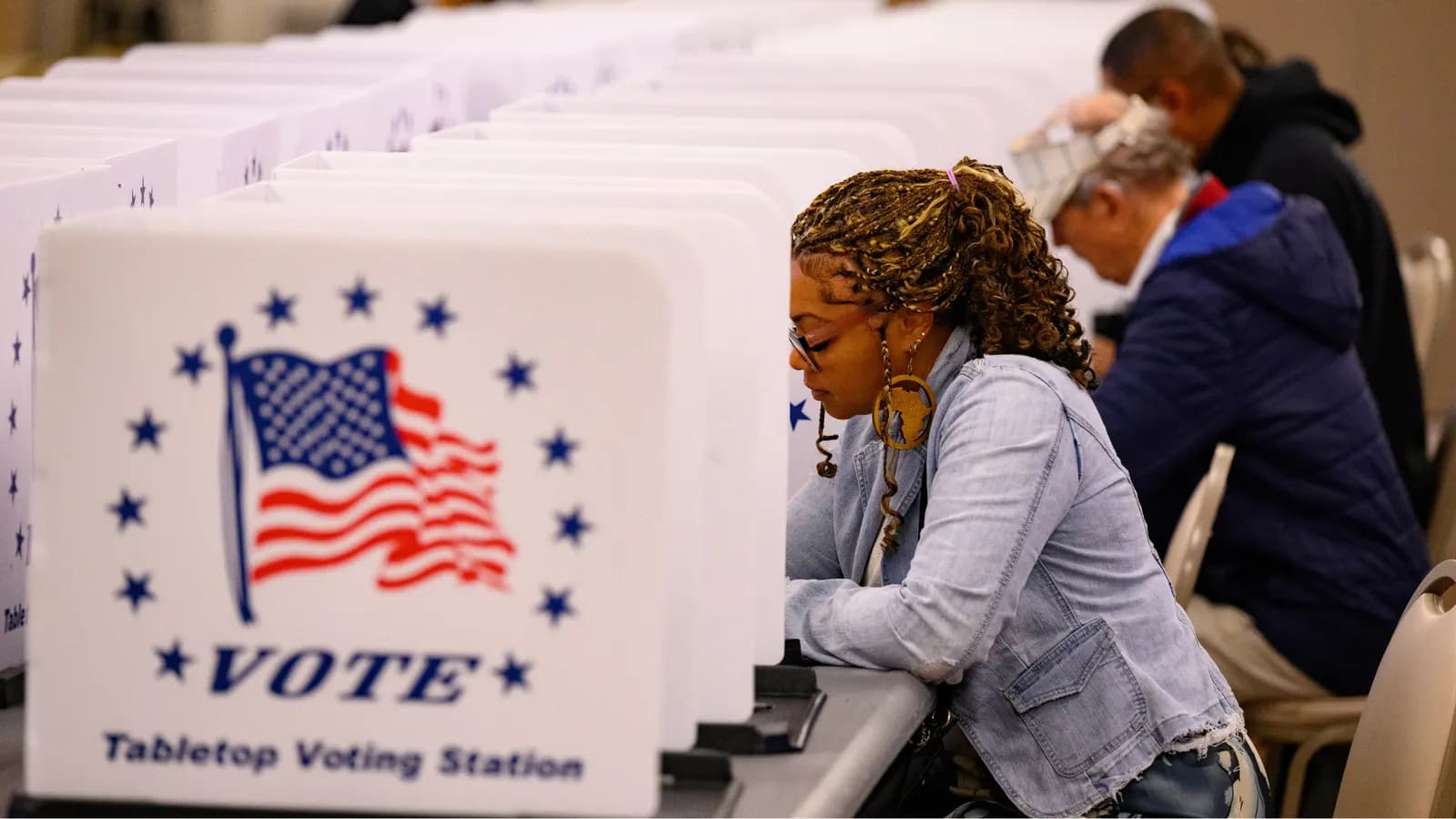
Voters across the US used the midterm elections to weigh in on data centers, with measures appearing on ballots in counties and municipalities around the country. Early results show that most proposals restricting data center investment were approved. According to a tracking site that follows the issue, 33 measures limiting data center development have already won, and six more appear to be leading.
The only restrictive measure to fail was in Harwood, North Dakota, where voters rejected an additional review process for industrial projects that would have included data centers. Results for five measures have not yet been announced. The picture amounts to a notable setback for the Trump administration, which is trying to accelerate the development of artificial intelligence.
A wide range of measures on the ballot
Data centers came before voters in about 40 localities across 13 states. The questions included permanent bans, temporary moratoriums, votes on specific projects, limits based on size or energy consumption, and the recall of pro-data-center politicians. In other words, not every measure amounted to an outright ban.
A second tracking effort, which follows about 46 measures in 10 states, indicates that all 33 proposals aimed at restricting data centers are set to pass. Of the 13 measures intended to clear the way for data centers and their construction, 11 are expected to be rejected.
Officials recalled over data center stances
The ballots decided not only regulations but also the fate of officeholders. In Piqua, Ohio, the mayor and two council members were recalled, and in Yukon, Oklahoma, the mayor was removed, over their earlier support for data center bans. The results show how decisive the issue has become in local politics.
Polling indicates that 70 percent of Americans oppose investment in AI data centers. Voters' concerns include rising electricity bills, noise pollution and other negative effects the facilities bring to the communities that host them.
Impact on investment remains unclear
Despite the backlash, it is unclear how far these decisions will affect projects already under way. Even with more than 300 local data center bans in force nationwide, only three projects, totaling 2.3 gigawatts, have been delayed. About 38 gigawatts of capacity is expected to come online by 2027, and infrastructure investment is projected to reach 32 trillion dollars by 2050.
Still, the results are said to be likely to influence future projects. The US Senate has reportedly accused big technology companies of misleading the public about the benefits of data centers. OpenAI and Anthropic are also said to be shifting toward smaller projects of 20 to 30 megawatts because of delays at large gigawatt-scale sites.
President Donald Trump has taken some steps to reduce the impact of data centers on ordinary citizens. AI data centers are expected to pay an energy dividend to local communities, and technology companies, state governors and energy firms have pledged to cover their own costs. The initiative is known as the ratepayer protection pledge. The election results, however, suggest these steps came too late and fell short of changing the minds of voters worried about higher electricity bills and noise pollution.
Comments
No comments yet. Be the first to comment.