
Vulcan launch fails, costing Amazon 40 Leo satellites
ULA's Vulcan rocket ran into trouble shortly after liftoff and its payload was lost. Early findings point to insufficient thrust; the root cause is not yet known.
 Merhabyte Newsdesk · · 2 min read
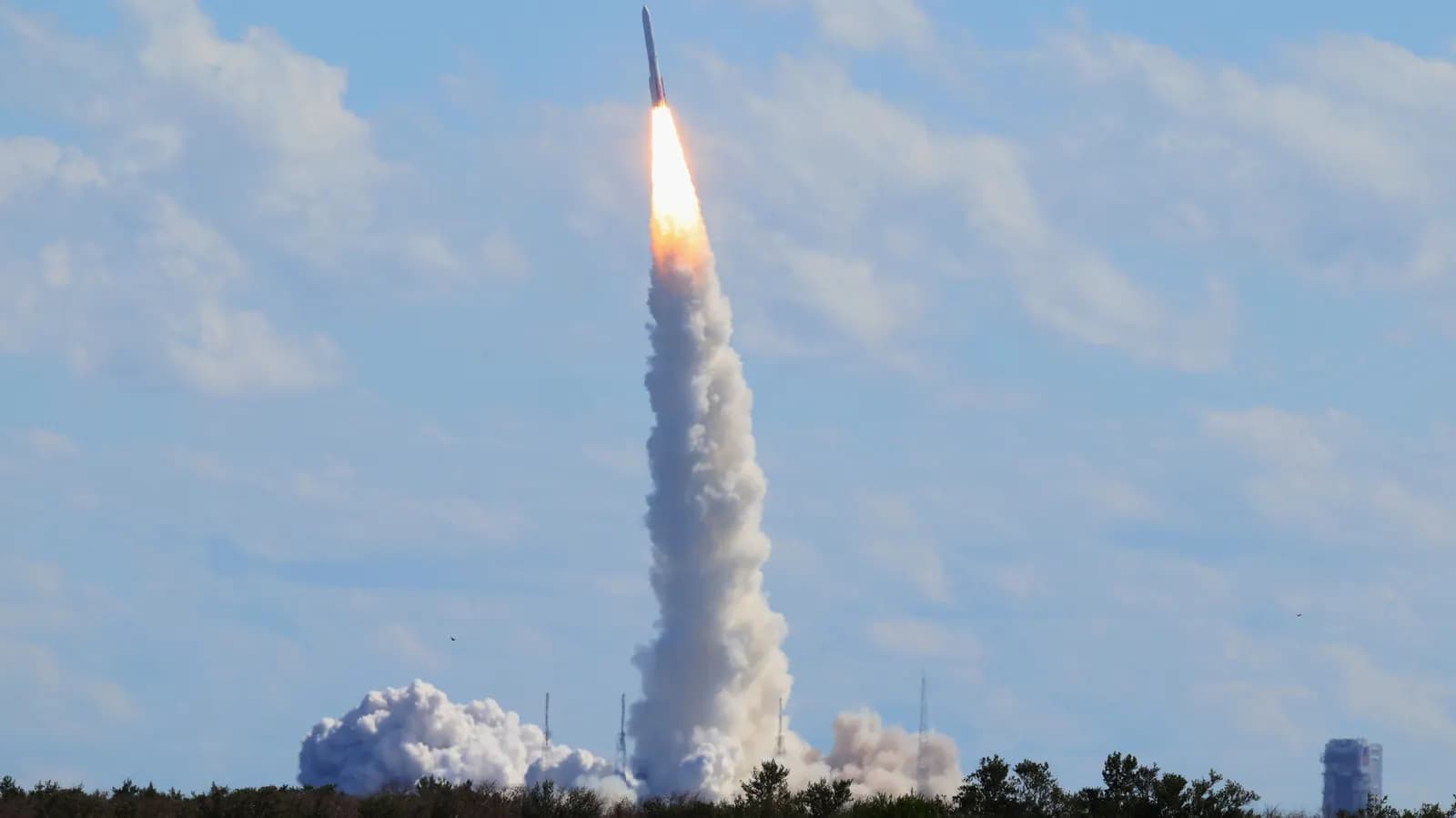
United Launch Alliance's (ULA) Vulcan rocket malfunctioned shortly after liftoff on Sunday, 15 November 2026, and the 40 Amazon Leo satellites it was carrying were lost. The failure is the first launch failure for ULA in 20 years.
The cause was initially unknown. Preliminary findings shared by the company paint a clearer picture of how the flight unfolded, though ULA says a deeper investigation is needed to understand the underlying cause.

What went wrong, according to early findings
According to ULA, the preliminary findings indicate that the first-stage booster did not produce enough thrust. The shortfall is attributed to insufficient fuel reaching the engines. The company stresses that the problem did not originate in the engines themselves, which it says operated normally.
The rocket began to struggle shortly after liftoff, but the telemetry link was lost only about 10 minutes into the flight. In ULA's words, early indications point to a loss of booster performance. That loss caused stage separation to occur at a low altitude and below the velocity needed to reach orbit. The second stage fired as planned but could not make up for the lost performance.
The picture is still incomplete. ULA has issued an update, but says a more thorough investigation is required to identify the underlying problem and the ultimate cause of the failure.
Vulcan Centaur's record and the financial loss
Vulcan Centaur is a two-stage rocket system. Earlier missions had also run into problems; in one, a nozzle fell off a solid rocket booster after liftoff. Those missions were nonetheless completed successfully and the rockets delivered their payloads to orbit. ULA later made improvements to the booster nozzles. This time the outcome was different and the payload was lost.
The financial toll is not small either. Estimates based on an industry analysis put the cost of each satellite at between $1.5 million and $2 million, which would mean the satellites alone account for a loss of up to $80 million. That figure covers only the satellites; launch costs and the expenses of any resulting delays come on top.
ULA said it will update its announcement on the Vulcan Leo 1 mission as new findings emerge and will share further details with the public.
The impact may reach beyond ULA
The effect on future missions is another key question. The BE-4 engine used by Vulcan Centaur also powers the first stage of Blue Origin's New Glenn rocket. Both Vulcan and New Glenn are currently grounded. NASA is also reportedly evaluating a modified Centaur V upper stage for the Space Launch System and the Artemis program.
Depending on the true cause of the failure, ULA's findings may or may not affect those other programs. The company's emphasis that the engines performed normally is being read in that light. It also separates the current failure from earlier problems during BE-4 testing, such as an explosion that destroyed an engine and damaged surrounding infrastructure.
Amazon selected ULA as one of its launch partners for Project Kuiper in 2022. The project is now called Amazon Leo, and the company has also signed agreements with Blue Origin and Arianespace.
Add as a preferred source on Google
Comments
No comments yet. Be the first to comment.


