Phone Makers Reportedly Cut 2027 Shipment Targets on Memory Shortage
Supply chain sources say Apple, Samsung, Xiaomi and vivo have set lower 2027 shipment goals amid the memory chip shortage. Only HONOR is reportedly holding its target.
 Merhabyte Newsdesk · · 2 min read
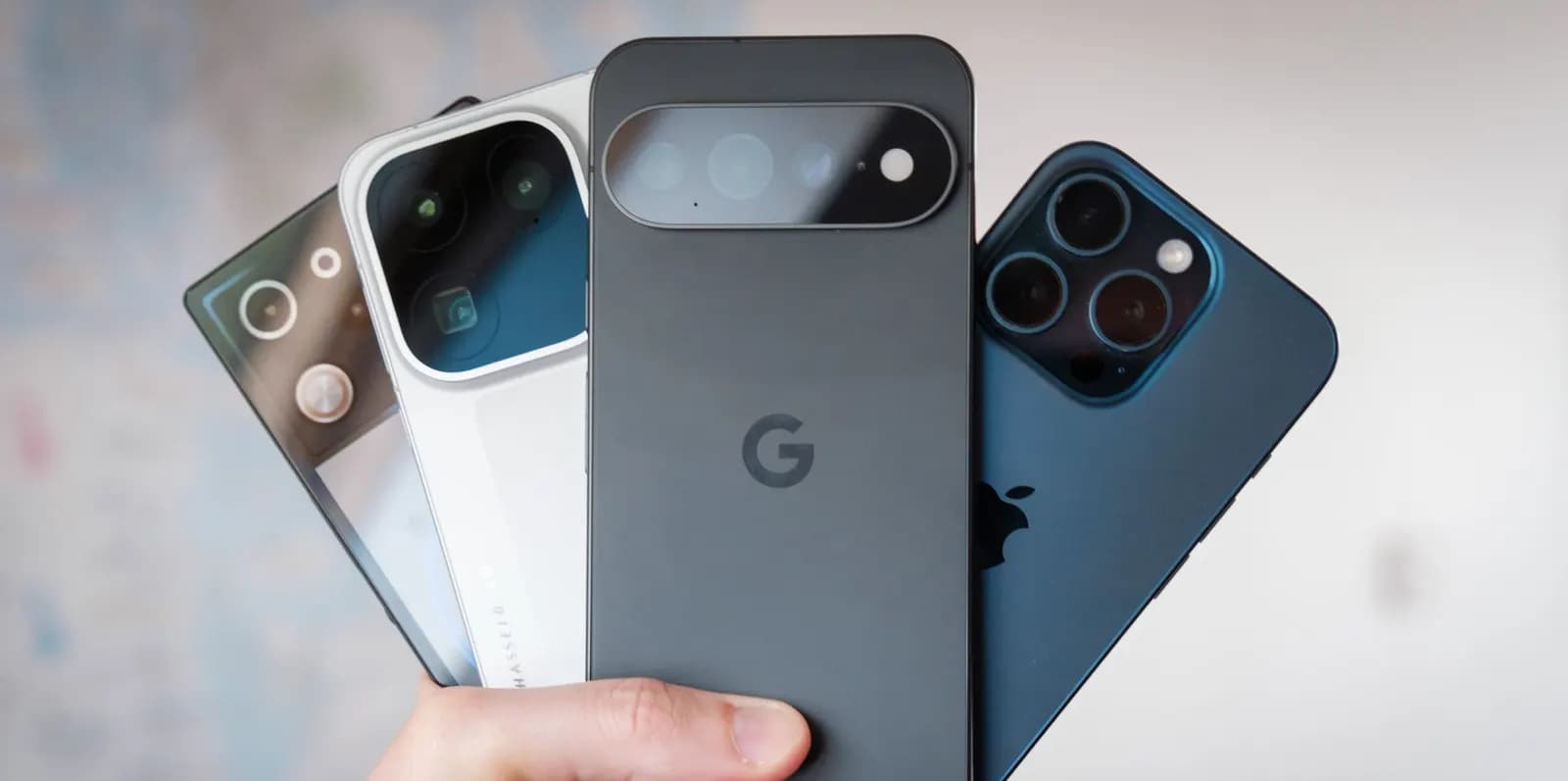
The memory chip shortage that has dominated this year's headlines now appears to be feeding into phone makers' sales plans. According to a report citing supply chain sources, most major brands have locked in their 2027 shipment targets, and they expect to sell noticeably fewer phones next year than this year.
Many manufacturers had already raised phone prices this year because of the shortage. The same pressure is now said to be showing up in their volume forecasts as well.
How deep the target cuts go
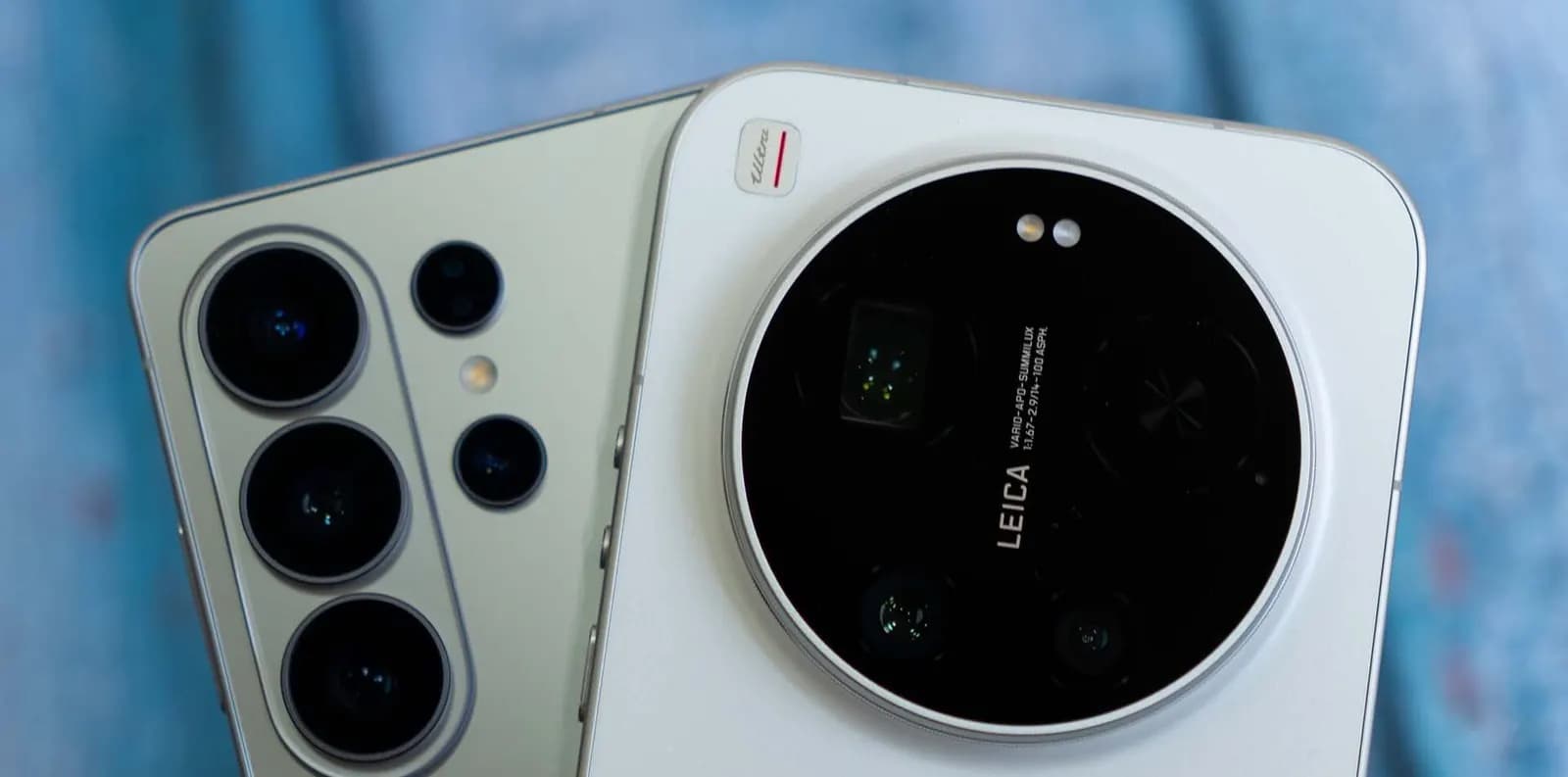
The sharpest reductions reportedly come from Chinese brands. vivo's target falls from 85 million units in 2026 to 60 million in 2027, while Xiaomi's drops from 120 million to 90 million. That amounts to declines of 29 percent and 25 percent respectively. Motorola's 2027 target is 40 million units, a 20 percent drop from 50 million in 2026. OPPO's reportedly finalized target of 90 million is 14 percent below its 2026 sales goal.
Samsung and Apple are said to be making more modest cuts. Samsung's target reportedly falls 9.5 percent, from 232 million to 210 million, while Apple is described as planning a 5.6 percent reduction, from 233 million to 220 million.
HONOR bucks the trend
According to the report, HONOR is the only brand that stands outside this pattern. The company is said to be keeping its 2027 target at 50 million units, the same as this year. Speaking at the launch of the HONOR 700 series, CEO Li Jian said mid-range phones face higher cost pressure than flagships, and that the company plans to keep moving forward while others pull back.
The report adds that this cost pressure and the price hikes made flagship phones look more attractive than mid-range ones this year, boosting demand for premium models. Citing market research data, it also notes that HONOR was the only leading Chinese brand to grow shipments in the third quarter compared with the previous quarter. Li Jian had also said that as the shortage deepened and prices soared, some phones saw cuts to their processor, camera or memory specifications in order to hold prices steady.
What it means for buyers
The report says the memory shortage is expected to last until 2028, with relief from inflated prices and falling sales only anticipated at the end of 2027 or the start of 2028. Citing a recent analysis, it says DRAM revenue in the third quarter of 2026 rose 369 percent year on year to nearly 200 billion dollars, driven by demand from AI servers. That surge in demand for memory chips is cited as one of the factors pushing prices up.
For consumers, this suggests phone prices could stay high in the coming period and that some models may continue to compromise on hardware. Xiaomi, OPPO and vivo have all reported double-digit sales declines in 2026 because of rising memory costs, and the targets now being reported suggest the industry does not expect to leave this difficult stretch soon. In the report's words, 2027 looks set to be a continuation of 2026 for most brands other than HONOR.
Add as a preferred source on Google
Comments
No comments yet. Be the first to comment.