FCC Approves Amazon Leo's $11.5 Billion Globalstar Purchase
The FCC has cleared Amazon Leo's $11.5 billion acquisition of Globalstar. The deal is meant to open the way for Leo to offer direct-to-device service.
 Merhabyte Newsdesk · · 2 min read
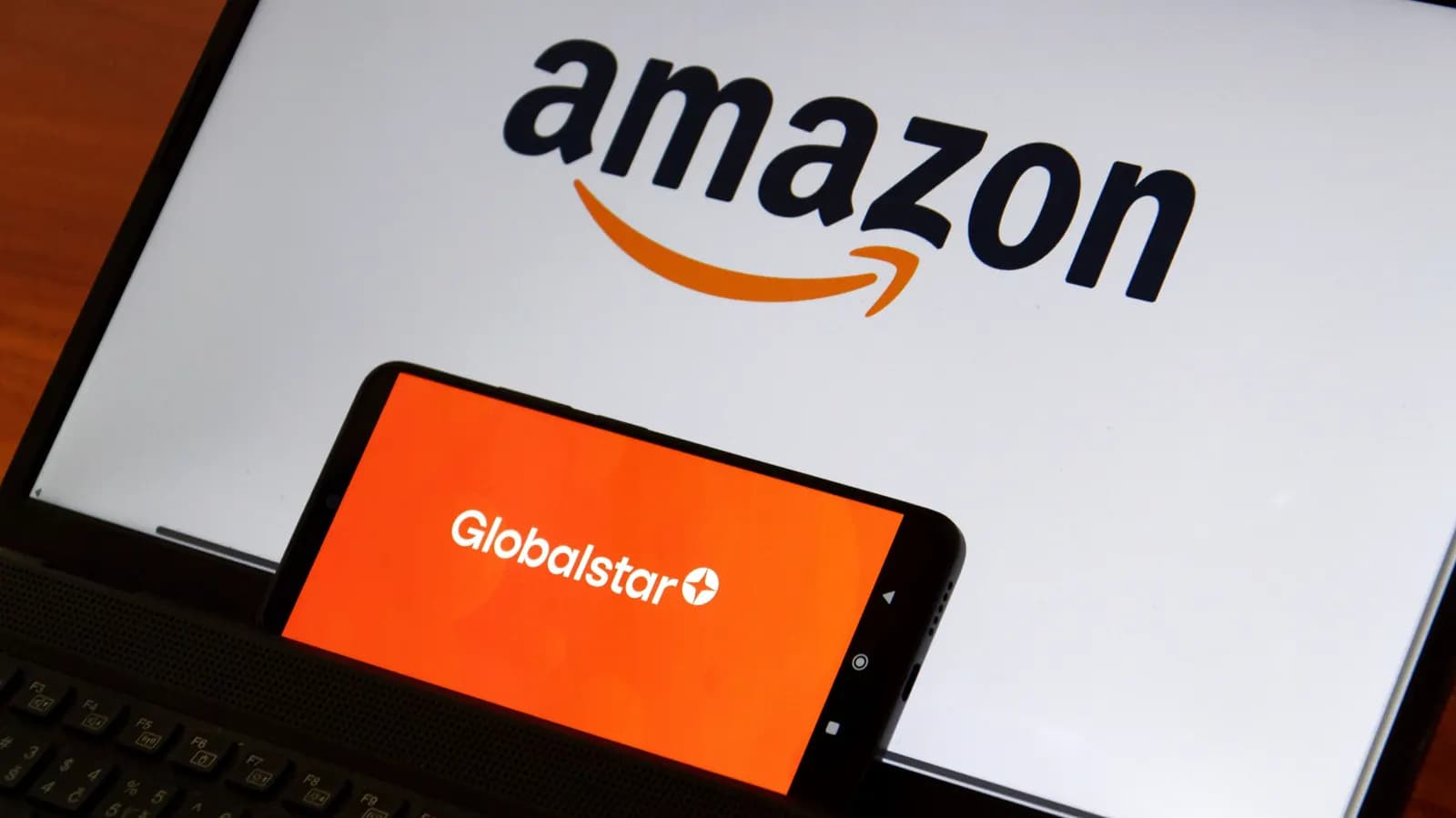
The US Federal Communications Commission (FCC) has announced its approval of Amazon Leo's $11.5 billion acquisition of mobile satellite operator Globalstar. According to Amazon's earlier statements, the deal is intended to expand Leo's presence in space and pave the way for direct-to-device service on its growing satellite network.
Globalstar may not be a household name, but the company provides the emergency satellite connectivity on compatible iPhone and Apple Watch models. As part of the deal, Leo will now supply the power behind satellite services on supported iPhone and Apple Watch models.
The FCC explains its reasoning
According to the press release the FCC published, the two companies' complementary assets will strengthen Amazon Leo's entry into direct-to-device service. The regulator said the combination would create a stronger satellite operator able to offer fixed and mobile services to residential, business and government customers.
The agency also judged the deal to be in the public interest, citing improved data coverage in underserved areas. Notably, the language in the FCC's statement closely matches the arguments Amazon has itself put forward.
Direct-to-device service generally means delivering satellite connectivity straight to everyday devices such as phones, rather than through ground stations or a dedicated terminal. With the regulator's approval, Leo's move into this area, together with Globalstar's assets, has now cleared a key hurdle.
The Apple connection: Leo will provide the service
Globalstar is best known as the company behind the emergency satellite connectivity Apple offers on compatible iPhone and Apple Watch models. Apple is also reported to have held a 20 percent stake in Globalstar before the acquisition.
Under the deal, Leo will provide satellite services for supported iPhone and Apple Watch models. That means the emergency connection users rely on today will run on infrastructure that has changed hands. Because such features are designed to let people call for help where cellular networks do not reach, how the transition will unfold remains a point of interest.
Leo picks up the pace against Starlink
Positioned as a rival to SpaceX's Starlink network, Leo has been busy lately. The company says it now has 400 satellites in orbit, and last month it announced the launch of high-quality satellite internet service in Uzbekistan. A partnership with Delta is aimed at eventually offering satellite internet on flights.
Amazon recently added six more launches with Arianespace and aims to reach more than 3,000 satellites in low Earth orbit in the near future. Even so, that figure remains well short of SpaceX's roughly 11,000 satellites in orbit.
Leo's constellation may still be around 400 satellites, but the company is advancing on several fronts at once, with the Globalstar acquisition, the Delta partnership and new launch plans. FCC approval of the purchase shows that one of the more important milestones in that process is now behind it.
Comments
No comments yet. Be the first to comment.