
Turning Off ACR on Smart TVs Doesn't Work on Some Brands
A Portuguese consumer group wants courts to examine whether LG's smart TVs violate privacy. A separate academic study found that the ACR opt-out does not fully work on some brands.
 Merhabyte Newsdesk · · 2 min read
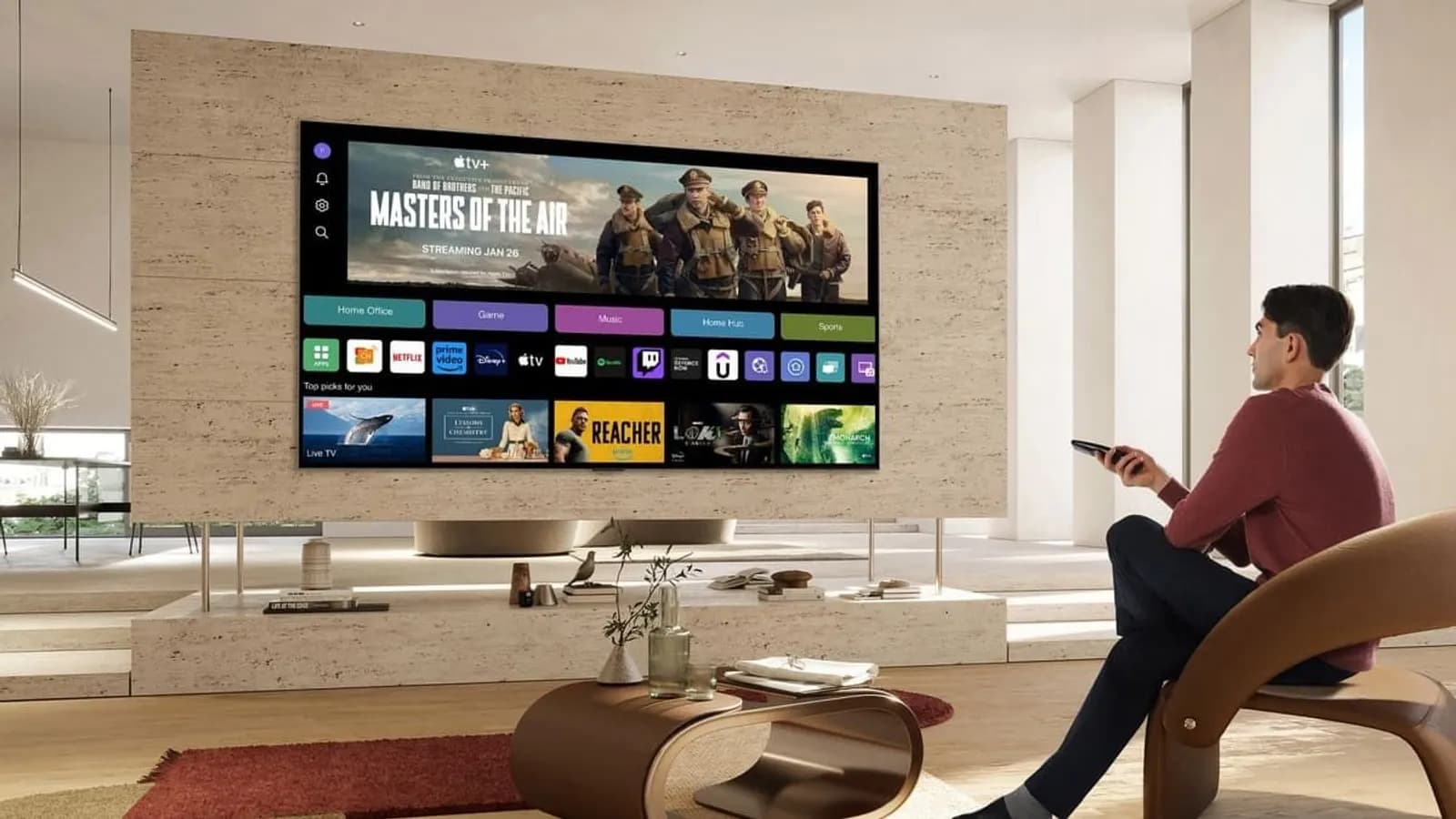
Citizens Voice, a Portuguese consumer association, is asking the courts to examine whether LG's smart televisions violate users' privacy. The group wants several smart TV models pulled from sale and the remaining ones updated so that viewers' privacy is protected.
The issue is not limited to LG. A separate academic study published earlier this year found that on TVs from many manufacturers, the option to turn off automatic content recognition (ACR) either does not work or works fully only on some platforms.
Legal action against LG in Portugal
A report published in September accused LG of creating "216,000 spy TVs." LG rejected the allegation, but Citizens Voice does not consider that response sufficient.
According to the association, LG's statement does not directly address two points in the findings of the technology outlet TEK Notícias: tests on whether audio data is stored while the TVs are offline, and named security vulnerabilities in webOS. The group wants the courts to investigate whether the data collection violates consumer rights.
The request is not limited to the manufacturer. If a violation is found, the association wants action directed not only at LG but also at the retailers that sell the products. Other manufacturers and consumer organizations are expected to follow the process closely.
What the Northeastern study found
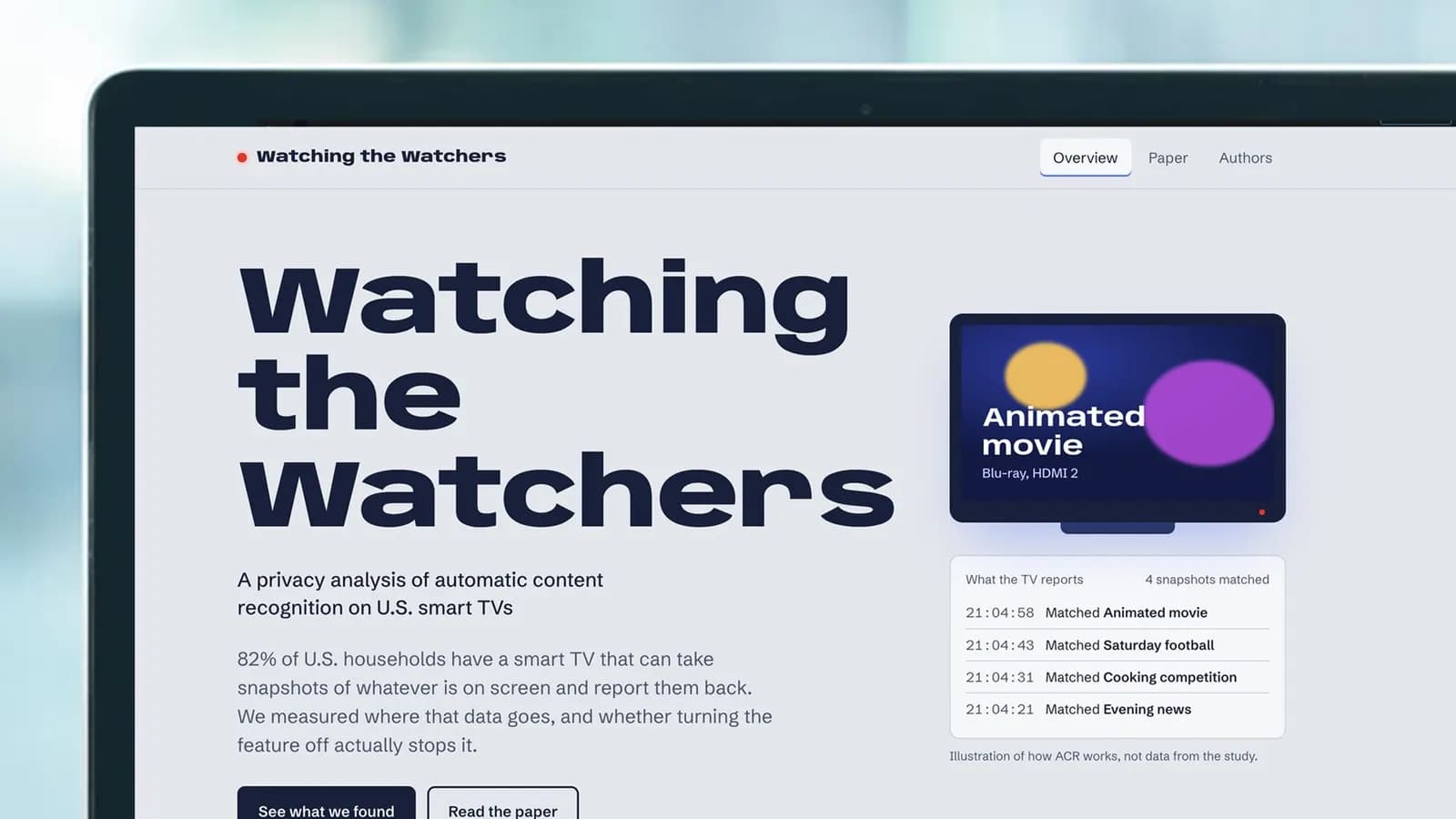
The study, titled "Watching the Watchers" and prepared by researchers at Northeastern University, examines the ACR activity of smart TVs in the US. According to the researchers, 2 percent of US households have a smart TV capable of capturing and reporting a snapshot of everything shown on screen. The study aims to measure where that data goes and whether turning the feature off actually stops the traffic.
The team tested 12 commercial TVs from multiple brands, covering Samsung's Tizen OS, LG's webOS, Roku OS, Google TV, Fire TV, VIDAA and Smartcast OS. Most devices behaved reasonably: they used ACR only for their own streaming services, respected third parties such as Netflix in their stance against ACR, and offered users an opt-out. But the opt-out worked fully on only four platforms: webOS, Google TV on Sony sets, VIDAA OS and Fire TV OS.
Notable results for Samsung and Vizio
The most striking findings concern Samsung and Vizio. In all 30 test runs with Samsung's own streaming service, ACR-consistent network traffic was observed when Samsung's own channels were used, even with ACR switched off. On Vizio, in every trial where the opt-out was enabled, the device kept sending data to an Amazon Kinesis ACR endpoint, and no reduction in traffic was seen.
One important caveat applies: ACR data is generally transmitted encrypted, with VIDAA OS the exception. The researchers therefore cannot say with certainty that the data sent on every platform is ACR information; they say only that the traffic strongly suggests it.
Transparency as the way out for manufacturers
What a smart TV records, where the data goes and what the off switch actually does remain unclear to consumers. Both the legal action in Portugal and the Northeastern study point to this uncertainty.
In the author's view, the solution is simple: state clearly which data is used and for what purpose, and make sure an opt-out genuinely means opting out. By that reasoning, this route would most likely cost less than court proceedings.
Comments
No comments yet. Be the first to comment.