
Server Prices Jump Up to 45% After Contracts Are Signed
Finance and trading firms are reportedly facing price increases of up to 45% on data center server orders at the invoicing stage, months after signing. Memory prices are said to be behind the surge.
 Merhabyte Newsdesk · · 2 min read
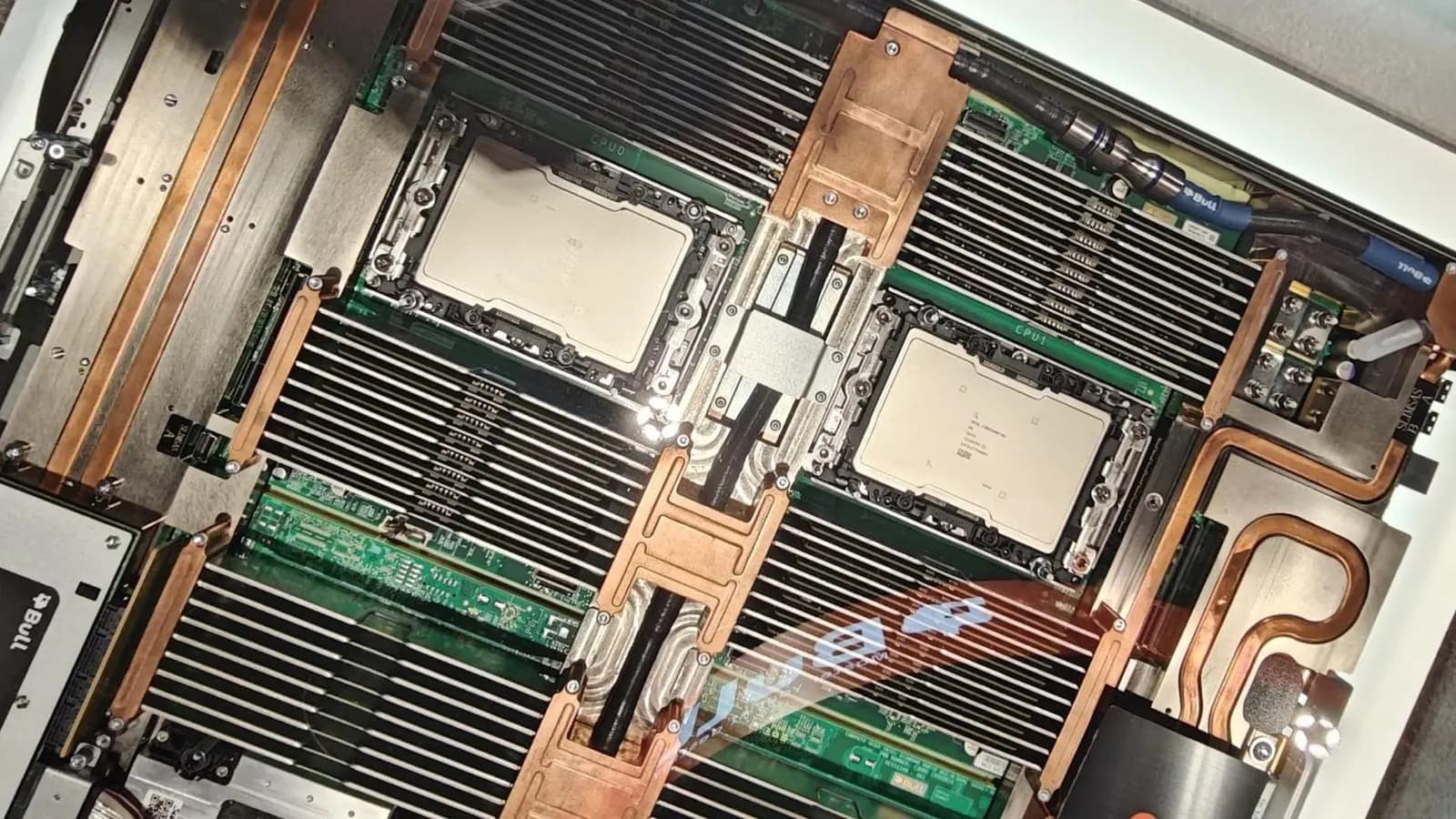
Even the biggest buyers, placing data center server orders worth hundreds of millions of dollars, cannot escape memory-driven price increases. According to information obtained, firms in trading and financial services are facing server price hikes of up to 45% on contracts they signed months earlier.
The increases are said to surface well after signing, often only when the final invoice arrives. One source, who was not named, said that running into rises of 25%, 30% or even 45% is unsettling, and that the gap between the original figure and the amount on the invoice is serious. In other words, the problem is not only that prices are high; it is that a price agreed on paper can change afterward.
Buying continues despite the hikes
The higher prices do not appear to have dampened the appetite of well-capitalized financial firms. According to the accounts, these companies are trying to buy every scrap of compute they can get and are willing to absorb the extra cost. Another source said they never say no to such requests, because computing power is valuable to them and they will pay for it.
Asked whether their contracts contain clauses protecting against price fluctuations, none of the companies confirmed or denied it. How far these increases square with the contract terms therefore remains unclear.
The likely culprit: memory prices
RAM prices are being cited as the main reason for the sudden increases. It is reported that GPU server prices have risen by 20% to 30%, while memory-heavy CPU nodes have doubled or tripled in price. As is generally known, servers are fitted with large numbers of memory modules alongside their processors, so a jump in memory costs flows straight into the total price of memory-intensive configurations.
The picture suggests the DRAM shortage is continuing regardless of the debate over whether it is natural or engineered. For ordinary users, commentators say, this is not good news: if large buyers are ready to pay inflated prices, relief in memory pricing looks unlikely any time soon.
The lawsuit against Dell
Not every company is staying quiet. In June, XTX Finland Oy took a Dell subsidiary in Ireland to court. Dell had demanded a further $62 million to $70 million on top of the $549 million previously agreed for 1,680 servers. The case is ongoing.
One notable detail is that XTX is said to have paid roughly $5 million extra for a special contract clause meant to guard against price changes. Even if XTX wins, it may find it harder to do business with OEMs in the future. Supply and demand are so lopsided at the moment that chipmakers and OEMs are in a position to impose almost any terms they like.
Add as a preferred source on Google
Comments
No comments yet. Be the first to comment.


