
Raspberry Pi 5's 16 GB Model Now Costs 3x Its Launch Price
Raspberry Pi has raised the 16 GB Pi 5 by $80 to $385. The company calls the increase temporary, but memory makers say the shortage could last for years.
 Merhabyte Newsdesk · · 3 min read
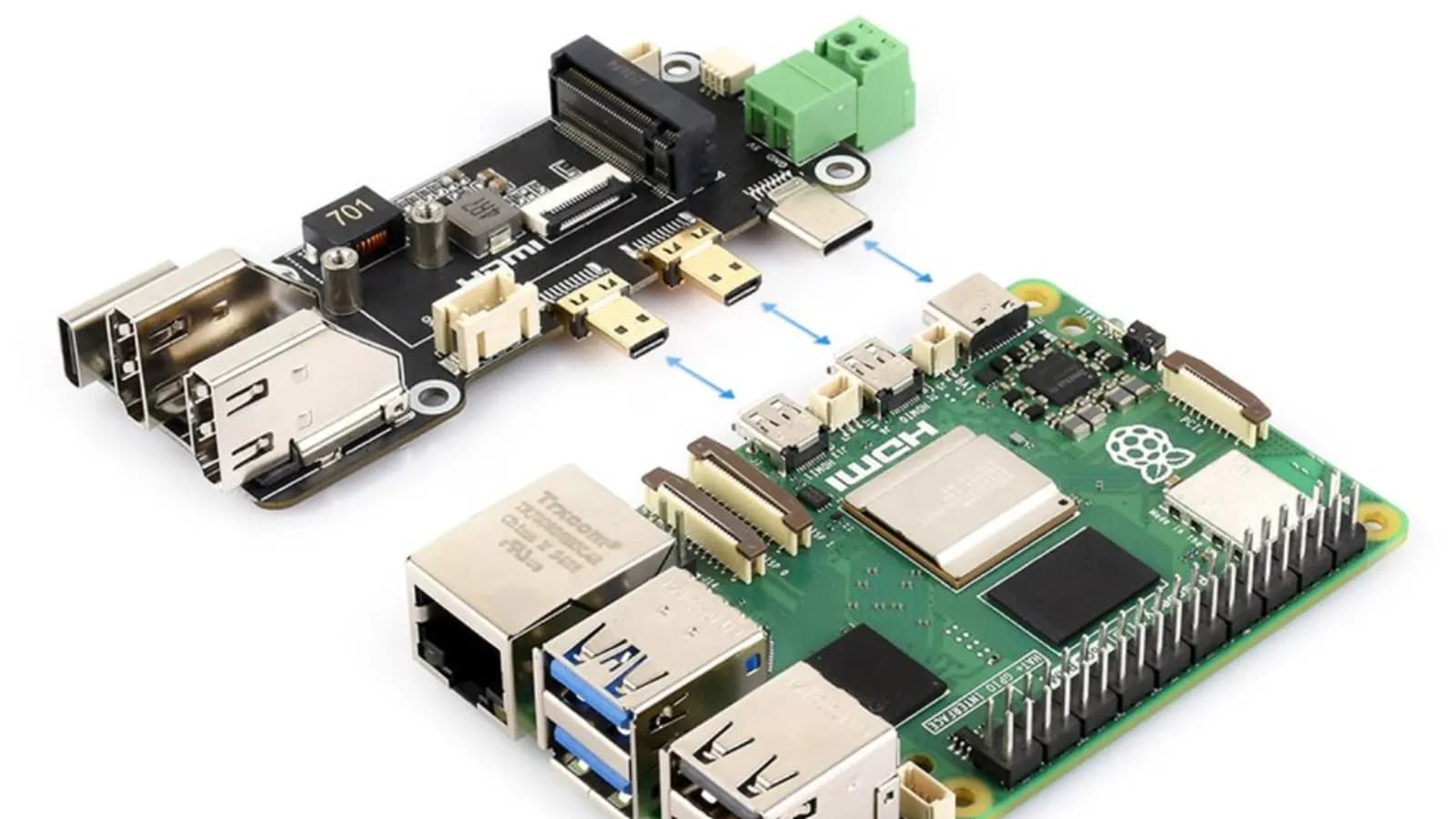
Raspberry Pi has raised the price of the 16 GB Raspberry Pi 5 once again. According to a blog post from CEO Eben Upton, the board now sells for $385. At its launch in January 2025 the model cost $120, so the price has risen to more than three times its original level.
The same round of increases adds $40 to the 16 GB versions of the Compute Module 5. The keyboard-format Raspberry Pi 500+, which also ships with 16 GB of memory, stays at its current price.
A tripling that did not happen in one step
The jump past three times the launch price is not the result of a single leap but of successive increases stacking up. The first came in December 2025, when the 16 GB Pi 5 went from $120 to $145. An additional $60 in February left the board 70 percent more expensive than at launch. The April round added another $100, and the latest increase, in November 2026, amounts to roughly 26 percent on its own.
The April 2026 round also brought a new 3 GB Raspberry Pi 4, intended to give buyers a cheaper middle option. Upton said at the time that the price of the LPDDR4 memory used in the Pi 4 and Pi 5 had risen sevenfold within a year. The latest increase arrives less than a month after Raspberry Pi added $12.50 to its 2 GB boards, having concluded that shielding those models from earlier hikes was no longer sustainable.
The company points to 16 GB DRAM supply
Upton's explanation is more specific than a general complaint about memory prices. The CEO cites the lack of alternative supply for 16 GB DRAM, combined with other ongoing component shortages. That wording suggests the bottleneck is not only cost but the difficulty of obtaining memory at this density at all. Raspberry Pi continues to qualify additional memory suppliers through 2026, though the statements imply that the high end is where alternatives are scarcest.
Demand has not fallen despite the increases; it has grown. According to the company, direct sales of the Pi 5 rose 47 percent over the period in question, and interest in the 8 GB models has kept growing despite the price hikes.
Price comparisons have turned strange
At the new prices, some comparisons no longer make sense. The 8 GB Raspberry Pi 5 is listed at $175, which means the extra 8 GB on the 16 GB model costs $210, more than an entire 8 GB board. The Raspberry Pi 500+ is only $25 above the bare 16 GB board, and for that it adds a 256 GB NVMe SSD and a mechanical keyboard on top of the same processor and memory. If a project calls for the bare board's form factor, as in embedded work, that is no substitute. But for desktop use, once the cost of a separate SSD is counted, the standalone 16 GB Pi 5 is hard to justify.
Buying a cheaper board and upgrading its memory is not an option either, because Raspberry Pi's firmware ties each board to the memory capacity it ships with. Upton's advice is to avoid paying for memory you do not need by choosing lower-density or older models, or by optimizing applications. He also warns that some resellers are exploiting the shortage by inflating prices or misrepresenting products, and recommends buying from authorized distributors.
A temporary crisis that could last for years
Raspberry Pi describes the memory squeeze as temporary and plans to reverse the increases when costs fall. But in the company's September results, Upton characterized the current cycle as a large but ultimately typical example of a phenomenon that periodically hits the industry, and said meaningful new supply was not expected before 2028. Memory makers are gloomier still. SK Hynix said in its third-quarter results that the shortage could last until 2030, while Micron warned it could extend to 2028 or beyond.
According to the market outlook that Upton links in his post, DRAM suppliers will keep prioritizing server products in the fourth quarter as well. That means contract prices creep upward while the broader market faces inadequate supply. Entry-level boards are being protected for now: the 1 GB Pi 4 and Pi 5 still sell for $35 and $45 respectively. Even so, the 16 GB Pi 5 has become a premium product out of necessity rather than by design.
Add as a preferred source on Google
Comments
No comments yet. Be the first to comment.


