Japan's Fugaku Supercomputer Hit by Suspected Data Breach
Riken says a suspected breach of Fugaku, the world's ninth-fastest supercomputer, may have exposed the personal data of more than 4,000 users.
 Merhabyte Newsdesk · · 2 min read
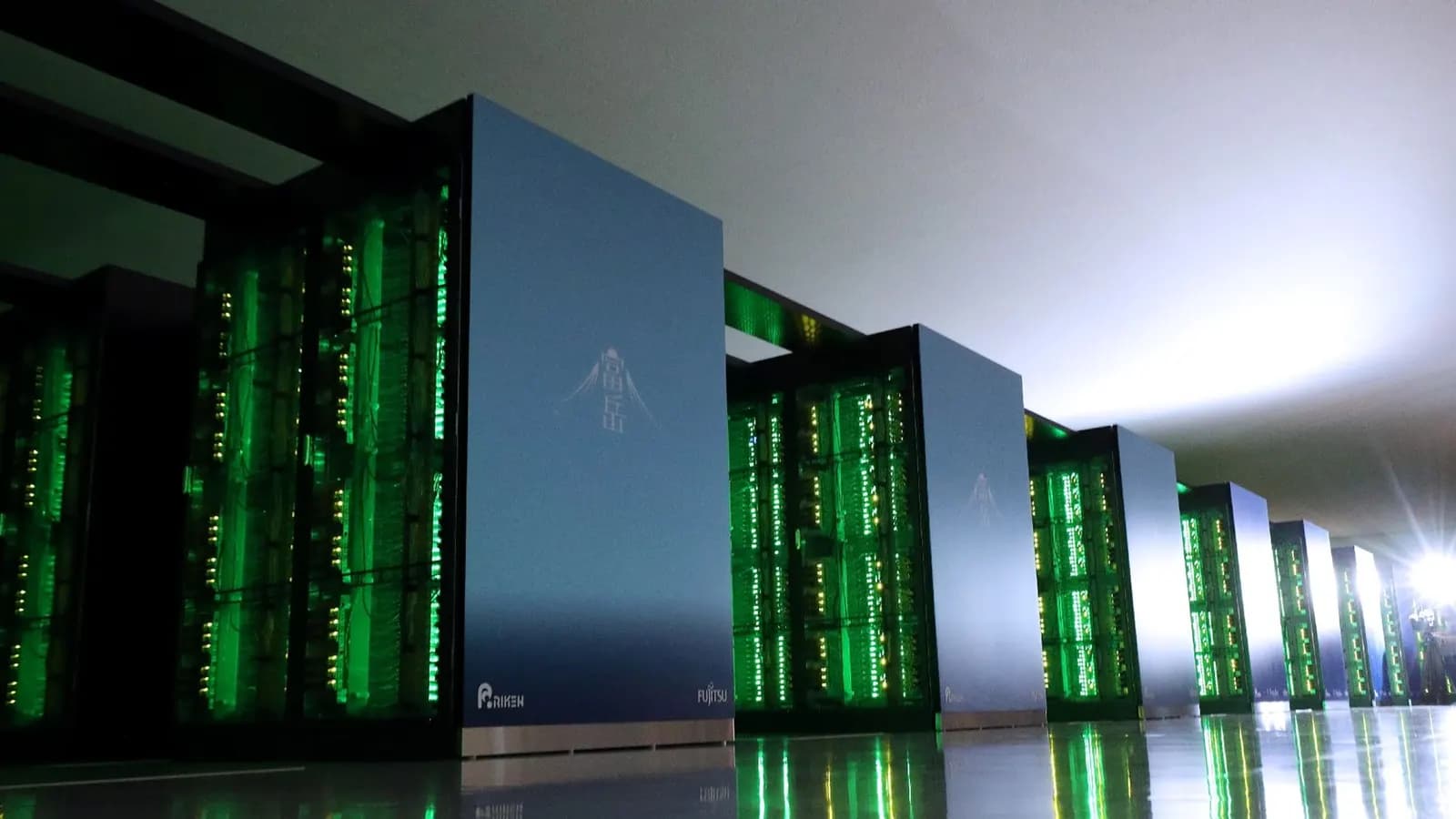
A suspected data breach has hit Fugaku, Japan's most powerful supercomputer and the ninth-fastest system in the world. Riken, the national research institute that operates the machine, disclosed the incident publicly and confirmed that the personal information of more than 4,000 Fugaku users may have been compromised.
Fugaku was not the only system affected. According to the announcement, data belonging to 375 people who use Riken's Rikyu AI supercomputer is also among the information potentially taken.
What data may have been exposed
Riken said the data at risk includes users' names and email addresses. Research files and the authentication credentials used to access the supercomputers and related services are also within the scope of the possible leak.
No definitive statement has been made on whether the data was actually stolen or how far it could be misused. Riken describes the information only as potentially compromised.
How the intrusion was spotted and carried out
Fugaku's operators noticed suspicious network traffic on November 12, which triggered an investigation. By November 14, unauthorized access was confirmed, and it was blocked the same day.
The investigation found that between November 10 and 13 the attackers used the system's externally accessible operational status dashboard as a stepping stone. From there they reached the internal network and installed unauthorized software on some servers. The dashboard was taken offline until security concerns are resolved. How the attackers gained access to Fugaku more broadly has not been disclosed; Riken either does not yet know or is not saying.
Initial response from Riken and the government
Riken reported the breach to Japan's Ministry of Education, Culture, Sports, Science and Technology (MEXT). Chief Cabinet Secretary Minoru Kihara confirmed that MEXT and Riken are working together to determine the full extent of the incident. According to Kihara, Fugaku plays a vital role in the country's research and development infrastructure, so it is important to put security first while keeping the impact on research activity limited.
Fugaku sits at Riken's Center for Computational Science in Kobe. It was developed in collaboration with Fujitsu and formally entered service in March 2021, at a cost of roughly 130 billion yen. The system once held the title of the world's fastest supercomputer before being overtaken by the exascale Frontier at the Oak Ridge Leadership Computing Facility in the United States. The fastest system today is reported to be China's LineShine supercomputer.
Add as a preferred source on Google
Comments
No comments yet. Be the first to comment.