
3.6 Billion Records Found in Two Unprotected Databases
Researchers found two exposed databases holding usernames, passwords, documents and national ID numbers. Some of the records reportedly came from infostealer malware.
 Merhabyte Newsdesk · · 3 min read
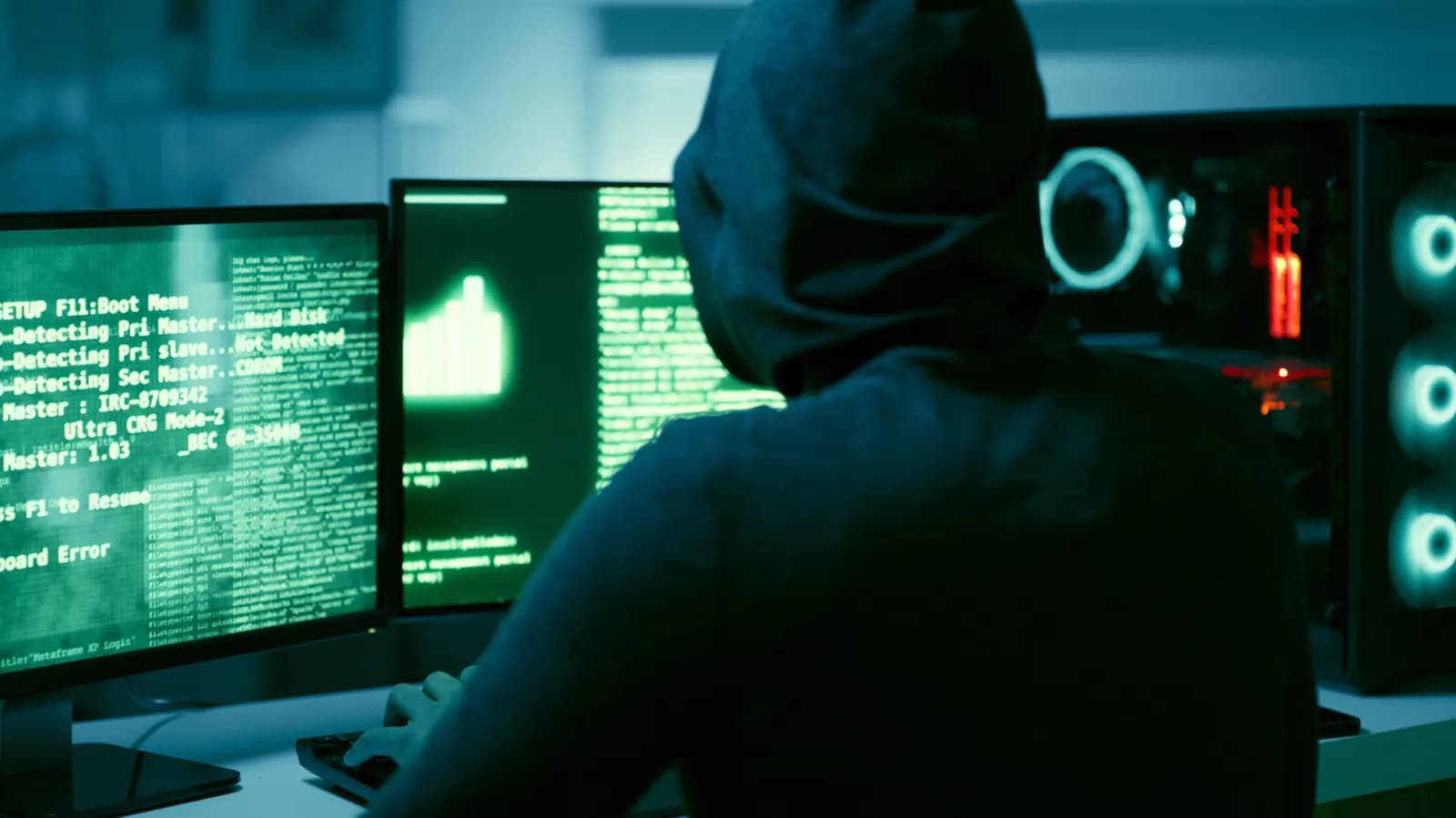
Security researchers have discovered two unprotected databases holding more than 3.6 billion records in total. The exposed data includes usernames, passwords, documents and national ID numbers. According to the reports, both databases have since been removed from where the researchers found them.
The find is a reminder of how much online security measures matter. One of the databases contains roughly 2 billion login credentials, while the other holds more than 1.6 billion documents relating mostly to people and businesses in China.
The database with 2 billion logins
This database was found by Jeremiah Fowler, a researcher at Black Hills Information Security. According to Fowler, the credentials in it relate to just about any online service one can think of: hundreds of millions of email accounts, more than 100 million social media accounts and tens of millions of e-commerce accounts.
Estimates suggest the database includes more than 114 million accounts tied to Google services, 88 million Facebook accounts, nearly 33 million X accounts, close to 42 million Roblox accounts and 36.6 million Amazon accounts. Fowler noted that there may be overlap between services and between users.
The database holds thousands of folders containing plaintext credentials and account details, with folder names referencing dozens of countries, including the US, the UK, France and Germany. About 400,000 documents, in Fowler's view, appear to come from a more advanced piece of malware that created a separate folder for each victim. Folder names included apps, cookies, Edge, important files and operating systems, along with text documents labeled system, process, clipboard, brute force and passwords.
Fowler wrote that combined, this information could give an attacker a detailed profile of each victim's devices and accounts, opening far more avenues of attack than a username, login address and password alone would. He also told a news outlet that whoever holds the data could, in effect, take over that person.
A second database focused on China
The second database contains more than 1.6 billion documents and relates mostly to people and businesses in China. It includes at least 840 million distinct national ID numbers, 300 million phone numbers, about 11 million student enrollment records, most of them belonging to minors, and 7.8 million business records.
Greg Pollock, director of research at security firm UpGuard, found the database in what resembled a gray-market setup on the open internet. According to Pollock, it was being updated until just a week before he noticed it in October.
Pollock says the data comes from sources controlled by separate, independent authorities: ID registration sits with the Ministry of Public Security, payment app data with the private company Ant Group, student records with the education system, and business registrations with market regulators. In his view, no legitimate data owner could hold all of it at once. He believes the underlying records most likely came from real government, telecom and corporate systems, and that this server represents stolen material repackaged into a working product.
How users can protect their data
Both databases were reportedly compiled from multiple sources. The larger one is said to include data gathered by infostealer malware, which can harvest every login on a single device, along with information taken from elsewhere. The assessment in the original report is that the spread of AI also makes it easier for attackers to find system weaknesses, break into a company's or institution's servers to steal data, and merge scattered information into databases like these.
It is reasonable to assume that some of your private data has already been compromised. There are still steps you can take to protect yourself. Using a strong, unique password for every service is essential, and a password manager can help you keep track of them. Passkeys, multifactor authentication and a good VPN also go a long way.
Being more selective about which information you share with which service, and staying alert to social engineering and phishing attacks, helps as well. Data removal services can also be useful in some cases.
Add as a preferred source on Google
Comments
No comments yet. Be the first to comment.


