
KEPCO Confirms Breach Exposing Data of 1.5 Million People
South Korea's state-owned utility KEPCO has confirmed that two of its systems were breached. Personal data of customers, employees and business partners was taken.
 Merhabyte Newsdesk · · 3 min read
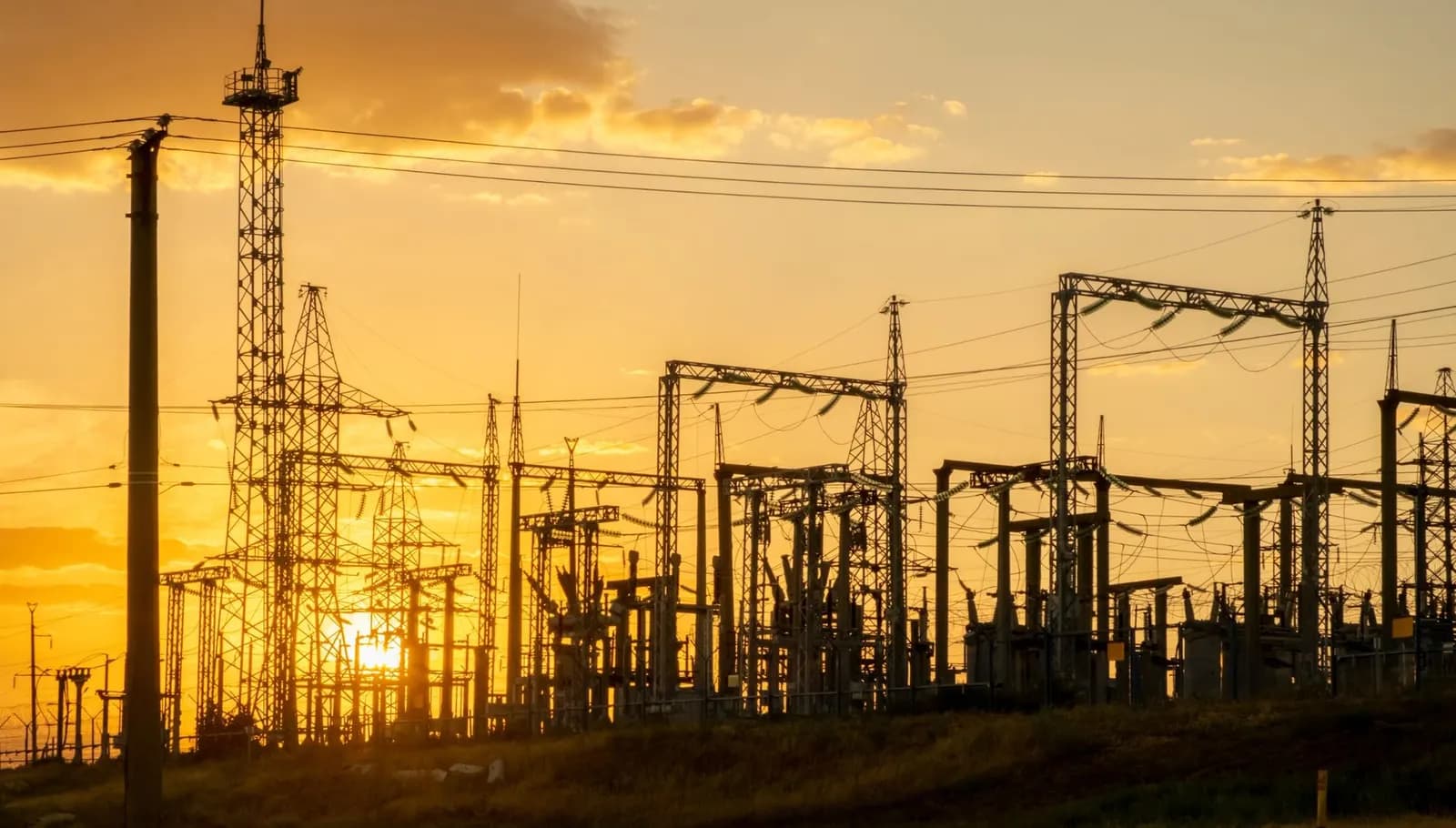
Korea Electric Power Corporation (KEPCO), South Korea's state-owned electric utility, has disclosed that a cyberattack on its systems compromised sensitive data belonging to roughly 1.5 million people. The company announced the incident in a formal breach notice signed by chairman Kim Dong-cheol.
According to the notice, the attack was detected on November 20, and it was soon determined that some customer information had leaked. KEPCO has not said who the attackers were or how they got into its systems.
Two systems were targeted
Two services were affected. The first is KEPCO ON, the integrated customer service platform used for tasks such as checking and paying bills. The second is SRM, the electronic procurement system that manages processes including purchasing and construction projects. The notice says KEPCO ON primarily affected electricity subscribers, while SRM affected the system's users.
The total comes to 1.5 million people: 650,000 KEPCO ON customers, 420,000 SRM users and 442,000 employees of KEPCO and its partner companies.
What data was stolen
On the KEPCO ON side, the leaked information falls into 12 categories: electricity subscriber numbers, names, unique identifiers such as resident registration numbers or foreign resident registration numbers, phone numbers, addresses, bank names, account numbers, account holder names, card issuers, card numbers, cardholder names, and electricity billing and payment details.
From SRM, names, unique identifiers, email addresses and company addresses were taken. For KEPCO and partner employees, the stolen data covers names, affiliated departments, employee ID numbers, mobile phone numbers, email addresses and work phone numbers.
The company's response and open questions
KEPCO says that as soon as it detected the attack it blocked access from external IP addresses and suspended the affected services. The systems underwent a comprehensive assessment, the incident was reported to the authorities, and a dedicated channel was set up to contact affected individuals directly. The company also urged customers to be cautious about incoming emails and other messages, and to expect an increase in fraudulent communications.
Chairman Kim Dong-cheol apologized to the public, saying the company takes the incident very seriously and will thoroughly investigate the cause of the leak and overhaul its information security structure.
Separately, a user going by the name "Noiem" on a dark web forum claimed in a November 19 post to have obtained KEPCO user data, supplier records, and tender and contract documents. Independent researchers have not yet examined that material, so it is not known whether the claim is genuine.
Phishing risk and the regional picture
Because the leaked data includes identity and contact details and, for KEPCO ON customers, bank and card information, the biggest risk for those affected is phishing and fraud attempts built on it. That is why KEPCO's warning about suspicious emails and messages matters.
KEPCO is the country's largest electric utility, with about 22,670 employees, and last year served more than 25 million customers across households, businesses and industry. It generates nearly all of the country's electricity and manages nearly all of its distribution, which makes it a notable target.
Japan and South Korea have seen a series of cyberattacks on critical infrastructure operators and major companies. In April 2025, SK Telecom disclosed a major breach caused by the BPFDoor malware that exposed about 26.96 million SIM-related records. KT, another major telecom operator, suffered a similar incident in which more than 16,000 customers were affected and fraudulent transactions took place.
Add as a preferred source on Google
Comments
No comments yet. Be the first to comment.


