
Intel Lifts x86 Share to 69.9%, but Only on the Desktop
Mercury Research data shows Intel's x86 unit share rose to 69.9% in Q3 2026. Nearly all of the gain came from desktop, in a PC market both chipmakers expect to shrink sharply.
 Merhabyte Newsdesk · · 3 min read
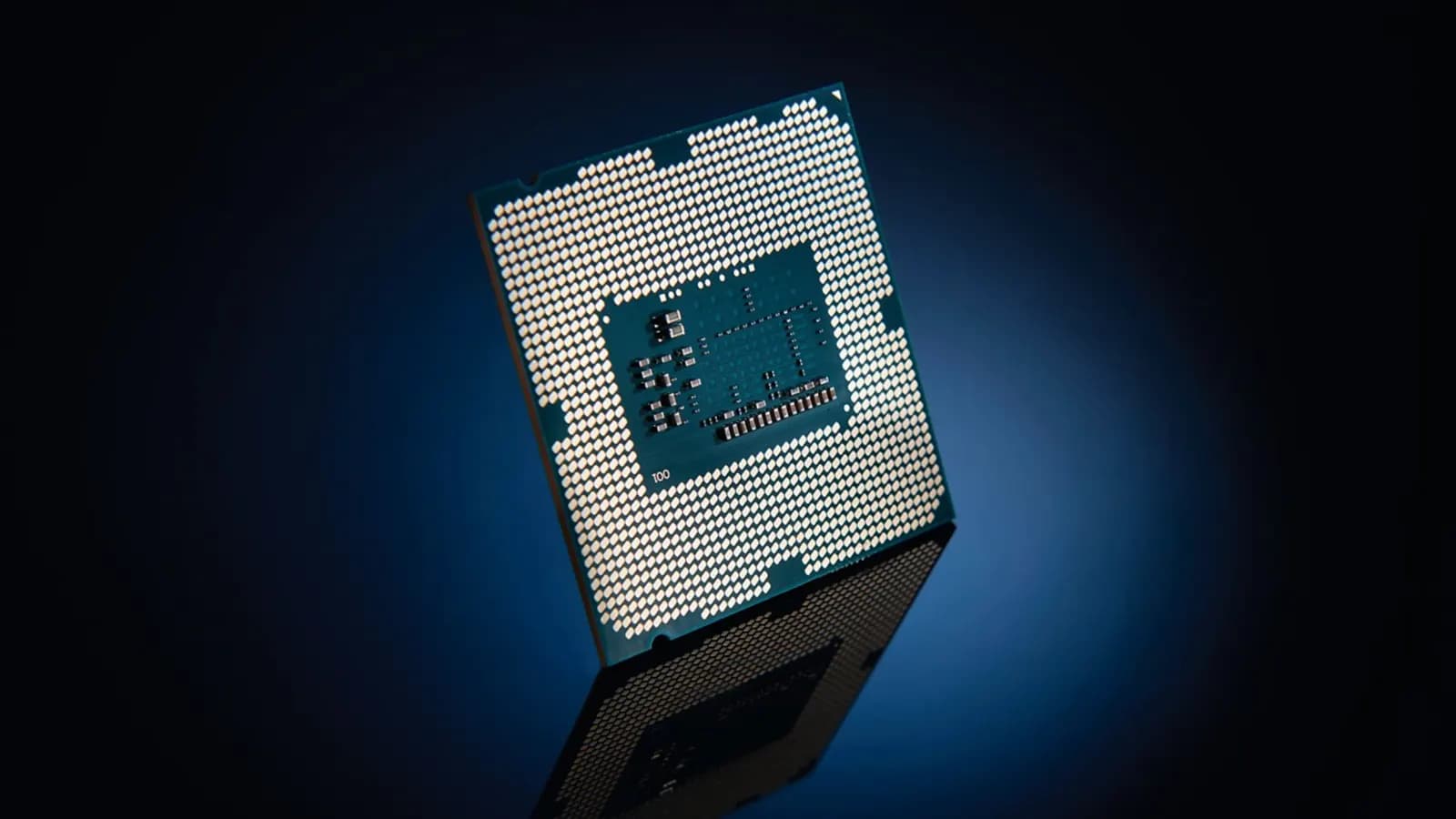
Intel has raised its overall x86 processor market share for the first time since the second quarter of 2025, according to new Mercury Research data. Excluding embedded and semi-custom chips, Intel's unit share climbed to 69.9% in the third quarter of 2026, while AMD's slipped to 30.1%.
But the gain rests on a single segment, a single quarter and a PC market that both companies expect to contract sharply in the coming period. The picture behind the numbers is more complicated than it first appears.
The entire gain came from desktop
Intel's increase came almost entirely on the desktop side. Its desktop share jumped roughly five points in three months to 70.1%, while AMD fell from 34.9% to 29.9%. The previous quarter had gone the other way: AMD took share from Intel in nearly every category Mercury tracks.
Elsewhere, AMD's climb continued. Its mobile share rose from 28.9% to a record 29.2%, and its server share gained a point to another record, 35.5%. Measured only as EPYC against Intel's Xeon SP line, AMD's server unit share reaches 46.8%. Still, the desktop loss pulled AMD's total client share down from a record 30.3% to 29.3%, the first client share decline for the company since 2022.
Once embedded and semi-custom SoCs are counted, Intel's lead widened by just 0.2 points to 66.1%. Year over year, Intel is still 4.5 points behind overall, having held 74.5% a year earlier, and its client share sits about four points below its level in the third quarter of 2025.
Customers leaving Ryzen, or seasonal demand?
The easy reading is that buyers are abandoning Ryzen, but the volume data points to a more mundane explanation. Jon Peddie Research estimates that worldwide client processor shipments fell to 60.8 million units in the third quarter, down 3.4% quarter over quarter and 6.5% year over year. Mercury's Dean McCarron said the decline came entirely from weaker mobile processor volumes.
That means desktop actually grew. Because Mercury's shares and JPR's volumes rest on different definitions, the math is only approximate, but read together the two datasets suggest Intel's desktop shipments rose by more than a quarter sequentially while AMD's were roughly flat. In other words, AMD did not so much lose the desktop as fail to catch the usual seasonal uptick. McCarron likewise says AMD saw no seasonal increase.
McCarron acknowledges the cause can't be known for certain. His speculation is that soft mobile demand let Intel redirect supply to desktop, where it had under-supplied product in early 2026. If that's right, much of the gain is a catch-up on earlier supply problems rather than customers switching sides. By Intel's own reporting, client volume fell 14% year over year while average selling prices rose 9%.
A share fight in a shrinking market
AMD's product mix also made things harder. Greater exposure to gaming desktops and the do-it-yourself channel left it more vulnerable amid constrained supply of Nvidia RTX 5000 graphics cards and memory costs that are pushing PC prices up. Peddie characterizes the DIY channel as weak, while McCarron hints that some third-quarter demand was pulled into a stronger-than-expected second quarter.
The larger point is that the pie is shrinking. Intel expects client revenue to fall more than 20% sequentially in the fourth quarter, and AMD forecasts a decline of more than 20% in its combined Client and Gaming segment. Part of that is the normal seasonal dip, but not all of it. Intel projects PC unit volumes to fall about 12% in 2026 and 10% in 2027. CEO Lip-Bu Tan said customers are signaling a slowdown in the PC market because of memory prices and availability. AMD CEO Lisa Su said the company is planning for a double-digit decline in PC units next year, and Peddie expects conditions to stay difficult until the first half of 2027.
On revenue, the picture favors AMD. It guides fourth-quarter revenue to about $17 billion, plus or minus 3%, while Intel expects $15 billion to $16 billion. The bottom of AMD's range sits above the top of Intel's. If both land within guidance, AMD will close the quarter with higher revenue regardless of which company ships more desktop chips.
Add as a preferred source on Google
Comments
No comments yet. Be the first to comment.


