Intel Hit With Shareholder Suit After 29% One-Day Stock Plunge
A pension fund is leading a securities class action alleging Intel was slow to disclose how deeply the PC market slowdown was hurting its business. The suit names CEO Lip-Bu Tan and CFO David Zinsner.
 Merhabyte Newsdesk · · 2 min read
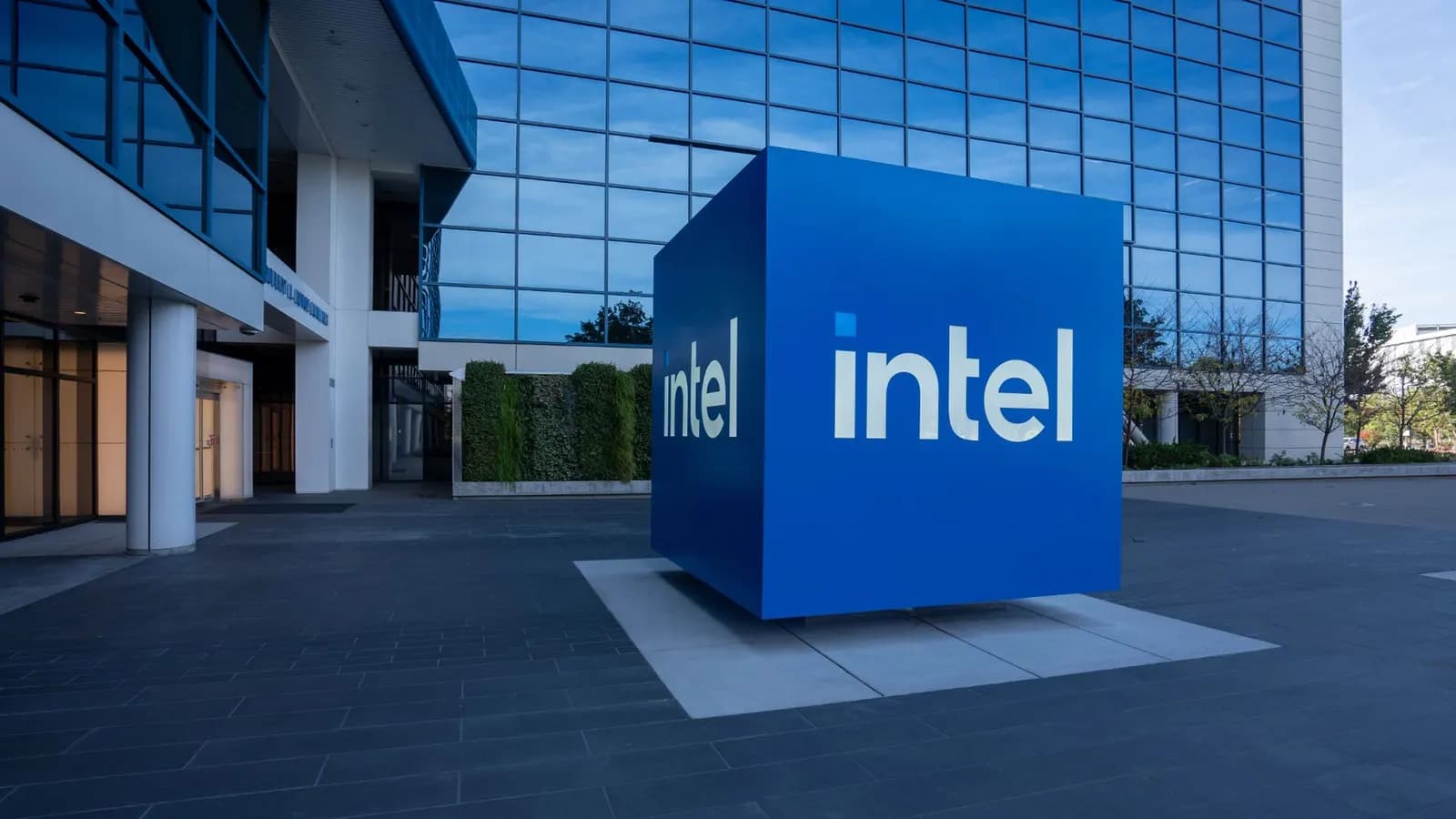
Intel is facing a shareholder class action after its stock lost roughly 29 percent in late October. The suit alleges the company failed to tell investors in a timely way how severe the slowdown in the personal computer market was and how much it would weigh on its financial performance.
The motion, led by the Southfield Fire and Police Retirement System pension fund, was filed Friday in federal court in San Jose, California. Intel CEO Lip-Bu Tan and CFO David Zinsner are also named as defendants.
What the plaintiffs allege
According to the plaintiffs, Intel did not disclose in time how far weakening demand for consumer processors and excess inventory would hit sales. They argue that the damage from the PC downturn outweighed the gains Intel was making from the unprecedented wave of investment in AI data center infrastructure and other AI opportunities.
The complaint says Intel's statements were materially false and/or misleading when made, because negative facts about the business were left undisclosed. The suit is brought on behalf of investors who bought Intel shares between July 23 and October 29, 2026, and seeks unspecified damages.
What went wrong in the third quarter
Like many large technology companies, Intel is investing heavily in manufacturing capacity. But supply constraints kept it from fully capitalizing on strong demand for its data center processors. Meanwhile, a severe shortage in the memory market pushed DRAM prices higher, raising PC costs and suppressing demand for consumer systems. As a result, Intel could not sell enough processors in the third quarter, and the shortfall hit the share price hard in October.
On the earnings call, Tan voiced his disappointment over supply constraints, the extraordinary conditions in the memory market and weakness in the PC business. The plaintiffs counter that the company should have flagged the turmoil in the client PC market far earlier.
Mid-quarter updates and the capital raise
Background offered in the case points to Intel's habit, in the early 2000s under Craig Barrett, of updating investors mid-quarter. In September 2004, for example, the company cut its third-quarter revenue and gross margin forecasts that way, citing weaker-than-expected processor demand and customer inventory adjustments. Those conditions closely resemble what happened in the third quarter of 2026, and a similar update could have warned shareholders well before the quarterly earnings release. Intel dropped the practice under Paul Otellini in January 2006, though it still revised its expectations outside the quarterly cycle from time to time in later years, notably during the 2008-2010 global financial crisis.
Shareholders also argue that Intel had a financial incentive to withhold information about the state of its business. In August, roughly midway through the third quarter, the company raised $23 billion through a share sale priced at $95 per share, capital it sought to fund plans to expand semiconductor manufacturing capacity.
Intel shares fell 28.6 percent on October 30, wiping about $140 billion off the company's market value. The drop followed the company's fourth-quarter revenue and earnings guidance, which came in below expectations, along with a warning that the PC market decline would continue. Despite the sharp sell-off, the stock is still up 62 percent for the year.
Add as a preferred source on Google
Comments
No comments yet. Be the first to comment.