Cyberattack Cooks Supermarket Freezers in Belgium and Sweden
In a second attack modeled on the one in France, freezer temperatures were raised remotely to 50 degrees Celsius. Large quantities of food are reported to have spoiled.
 Merhabyte Newsdesk · · 2 min read
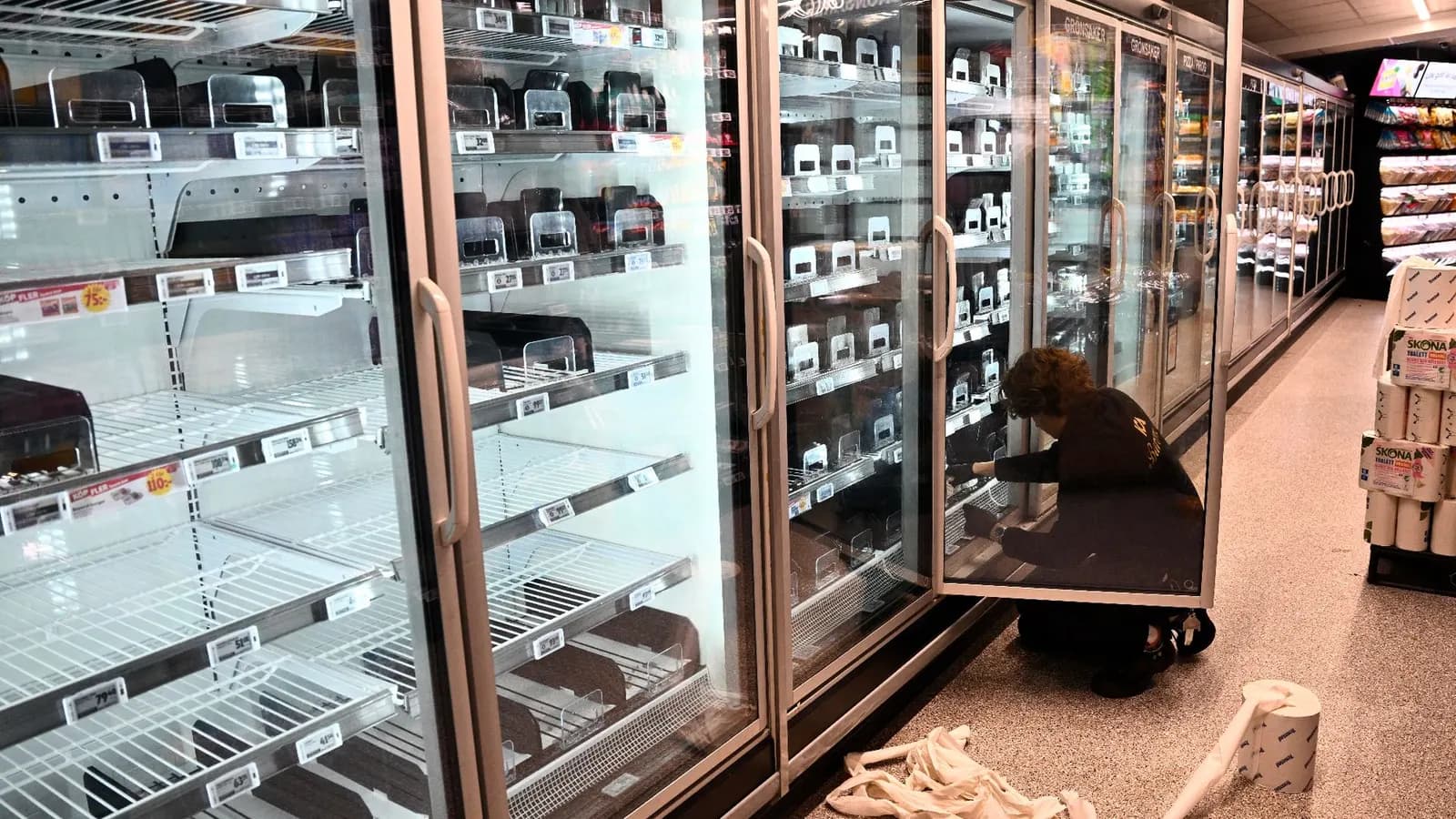
The second major cyberattack on supermarket refrigeration in Europe has struck Belgium and Sweden. It follows a similar incident in France a few weeks ago that was described as unprecedented. In the new attack, the temperature of internet-connected freezers was raised remotely to 50 degrees Celsius, thawing their contents within a short time and most likely spoiling millions of dollars' worth of food.
According to reports, the targets included stores owned by the Dutch group Ahold Delhaize as well as ICA and Coop outlets in Sweden. The incident is another reminder that much of the infrastructure behind everyday life depends on internet connectivity, which leaves it exposed to cyberattacks.
Belgian attack began around midnight
The attack on refrigeration units in Belgian supermarkets began around midnight on Sunday, according to a news agency report. Sabcobel, a refrigeration installation company active in the region, estimates that at least twenty units were affected across the country. The chains reportedly hit include Delhaize, Carrefour and Spar.
As in the French incident, the attackers remotely triggered the freezers' built-in defrost mode. At the same time, the systems' temperature and duration limits were overridden. In other words, both attacks used exactly the same method.
Swedish store staff threw products away
Reports from Sweden say many ICA and Coop stores saw their refrigerators and freezers affected in a similar way. Footage from the scene shows employees wheeling shopping carts full of products out to be discarded. ICA Kvantum said in a Facebook statement that it was deeply sorry and was working hard to get everything running again.
Interim fix: a secure internet connection
Sabcobel CEO Stephan Moelans said the company is working very hard to protect its devices against the vulnerability, but that a permanent fix will require physical changes to the units. In the meantime, the simplest safeguard is moving devices to a secure internet connection, the company says. Most customers are said to have already taken that step after the attack in France.
The rise in cyberattacks that reach into the physical world is thought to be moving in parallel with the spread of AI agents. In October, a hacker suspected of using AI agents reportedly stole data on 25,000 customers from banks in South Korea. Officials said at the time that AI models allow attackers to carry out attacks easily without specialized expertise.
Comments
No comments yet. Be the first to comment.