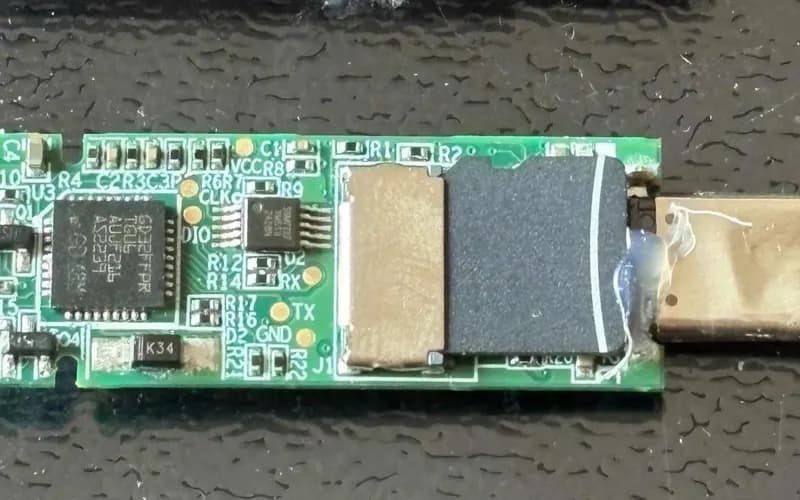
NVIDIA Brev breach: SSH keys may have been exposed
NVIDIA detected unauthorized activity on its Brev cloud development platform between Oct. 4 and 20. The company says it rotated the keys and found no evidence of misuse, but how the attackers got in remains unclear.
 Merhabyte Newsdesk · · 3 min read
NVIDIA has disclosed a security incident on Brev, its cloud-based development platform, in a notice sent to customers. According to users, the unauthorized activity took place over a 16-day window, from Oct. 4 to Oct. 20. The company says its investigation found unidentified activity on the platform and that some information stored there may have fallen into the hands of malicious actors.
The data considered potentially affected includes an SSH key generated by Brev. NVIDIA says it has rotated that key and updated customers' virtual machines with a new one, but it has found no evidence that the key was used without authorization.
What NVIDIA says, and what it leaves open
The message sent to customers states that NVIDIA experienced a security incident that may have affected the security of data, and that customer information on the Brev network could have been impacted. The relevant SSH key was replaced, and customers' virtual machines were updated to use the new one.
Several important questions go unanswered in the notice, however. It does not explain how the attackers gained access to the platform. It does not say whether the exposed data was ever used or whether anyone tried to use it. And it offers no information on whether customer data or workloads were accessed. In other words, the company's statement that there is no evidence of misuse does not mean the risk has disappeared; it only means the investigation so far has turned up nothing conclusive.
Why SSH keys matter
SSH is a protocol for establishing secure connections between remote computers and virtual machines. Developers and system administrators use it to manage remote servers, transfer files and run commands without physical access to the machine. It works much like a remote desktop tool, except that the audience is developers.
Brev relies on SSH keys to let customers reach services in the cloud. An attacker who obtains such keys could, depending on the privileges attached to the machine and any other security controls in place, take control of a virtual machine. That risk is the reason prompt key rotation matters.
A wave of incidents at AI development platforms
The incident comes at a time when many companies offering AI development services and cloud infrastructure are dealing with attacks aimed at customer credentials. A cybersecurity firm said in an assessment published on Oct. 30, which it called "Black October," that at least nine AI developer platforms suffered security incidents during the month. They reportedly include Zeabur, Fireworks AI, Lightning AI, Opencode, Warp and Northflank. The incidents were described as recurring, with attackers targeting stored environment variables, especially those granting AI access.
The same assessment cited two examples of stolen Amazon Bedrock credentials being abused. In one, about 800,000 API calls were made over roughly 30 hours; in the other, about 1.7 million calls over roughly 13 hours. At list prices, total usage was said to approach $100,000.
A threat intelligence analyst noted that in SSH-related incidents, simply updating the software may not be enough to remove an attacker's access. The analyst recommends isolating any hosts that loaded the compromised extension for the duration of their exposure, removing unauthorized SSH keys and persistence mechanisms, and rotating credentials and sessions. A similarly cautious approach seems sensible for Brev customers until the scope of the incident becomes clearer.
Comments
No comments yet. Be the first to comment.