Musk: Neuralink's Blindsight Is Engineering-Ready, Awaits Approval
Elon Musk claims Neuralink's second product, Blindsight, is only waiting on regulators and could let even totally blind people see. The claim is unverified, and no approval timeline has been shared.
 Merhabyte Newsdesk · · 2 min read
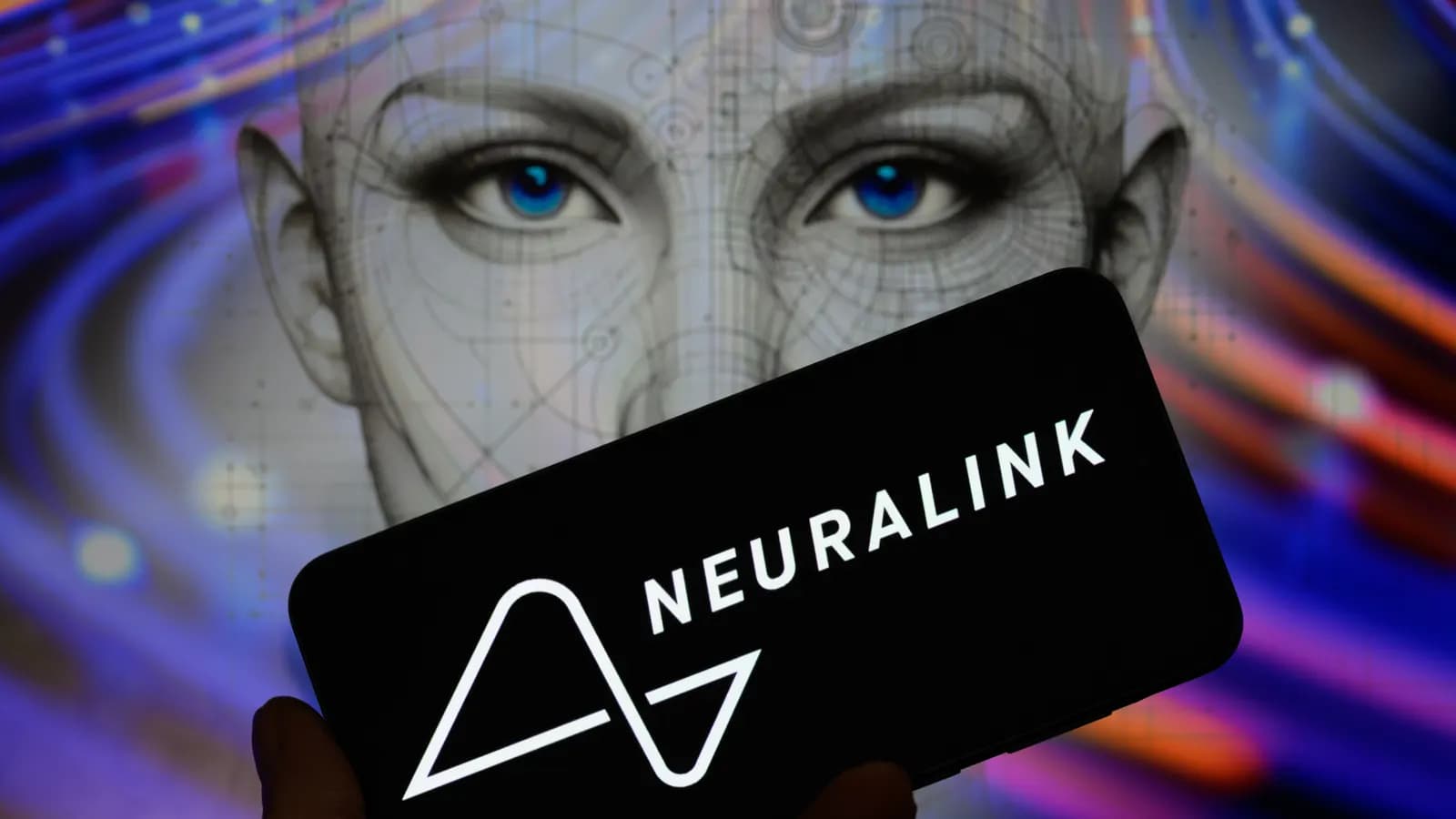
Elon Musk has made a new claim about Blindsight, Neuralink's second product. According to Musk, it will allow people who are completely blind, or who have never been able to see, to gain sight. He said the technology is ready from an engineering standpoint and is now waiting only for regulatory approval. The statements are Musk's own: there is no independently verified performance data for the product and no timeline for the approval process has been shared.
The remarks come as Neuralink's work on brain-computer interfaces (BCI) continues. Patients using the company's implant are also reportedly now able to play World of Warcraft.
Neuralink's journey so far
Neuralink was founded in 2016, but it was only able to begin human trials in 2024. Progress started in small steps: the first implant recipient began by moving a mouse cursor with thought alone. The company has continued to refine its technology since then.
Musk announced the company's first product, Telepathy, on X. Saying it makes high-speed communication with computers or other people possible through thought alone, he had claimed that within a few years its output bandwidth would far exceed the fastest human speaking or typing speeds. Blindsight is positioned as the company's second product.
Blindsight takes a different approach
Neuralink is not the only player in BCI. Meta is developing a non-surgical magnetoencephalography scanner that aims to turn thoughts into keystrokes. Chinese company NeuroXess, founded in 2021, is moving toward human trials this year.
Most of these technologies focus on the brain sending signals to control external machines. Blindsight works in the opposite direction. Cochlear implants and sensory neuroprostheses can already restore hearing or touch by sending signals from sensors to the brain. Blindsight aims to extend that idea to sight: a camera captures images, the BCI converts that data into signals the brain can interpret, and an artificial visual pathway is created.
Medical promise and strategic question marks
These developments could give people with limited mobility, or those who have lost the ability to move their bodies, greater independence by letting them control machines with their thoughts. But Musk's talk of high-speed communication between people through thought alone also suggests the technology could go well beyond restoring movement.
It is worth recalling that Beijing declared BCI a national strategic sector last year. Given the renewed arms race between East and West over drones, lasers and emerging technologies, speculation that BCI could be put to military use is also being voiced, though this is treated as a possibility rather than a proven development.
Comments
No comments yet. Be the first to comment.