AI Demand Drives PCB Shortage, With Lead Times Up to 30 Months
Surging demand for AI hardware is squeezing the supply of printed circuit boards that computer makers depend on. Some orders now take as long as 30 months to fill.
 Merhabyte Newsdesk · · 2 min read
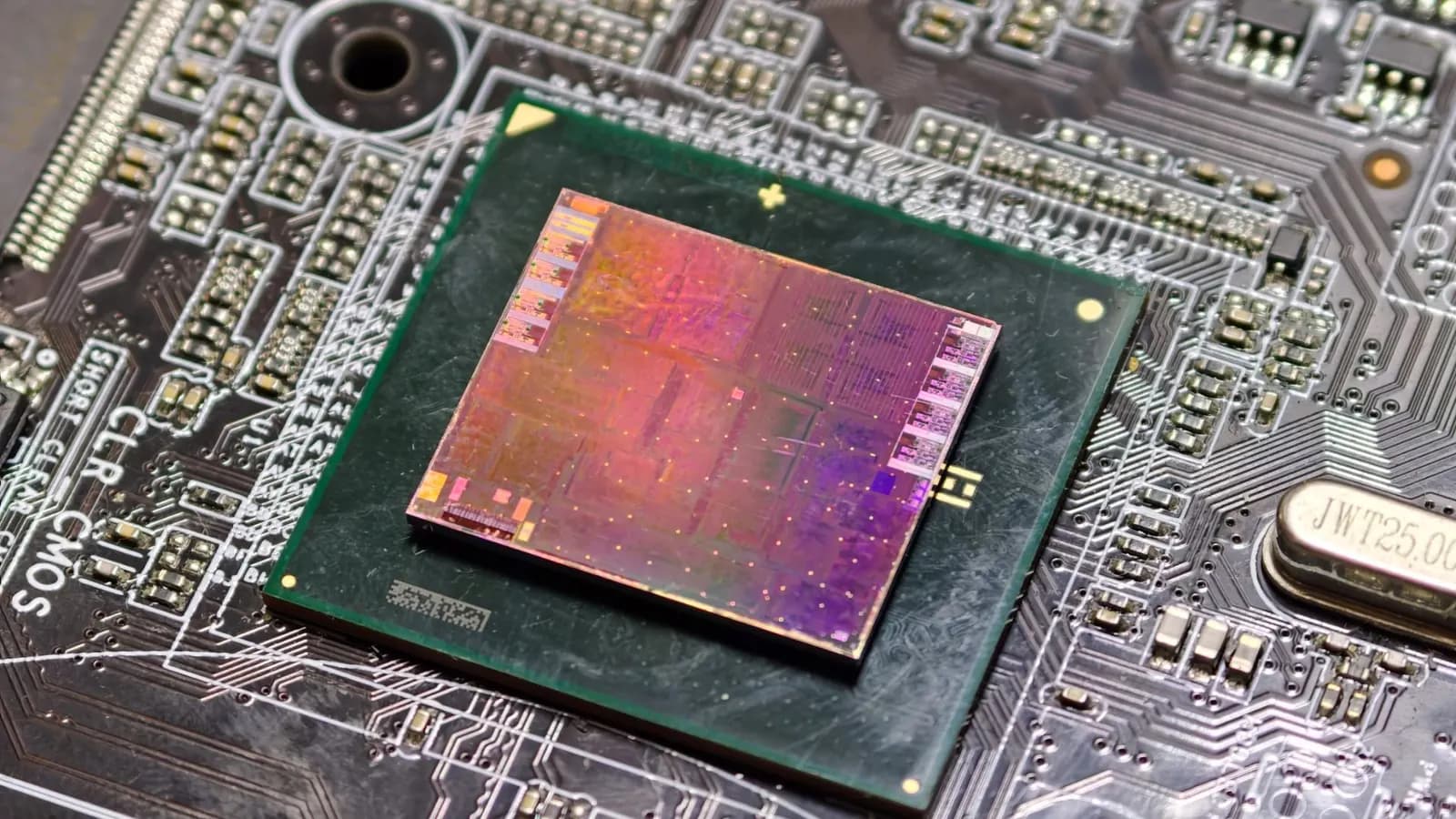
The AI industry's grip on manufacturing resources drove large demand- and supply-driven price increases in memory, graphics cards and SSDs through 2026. Now the pressure appears to be moving to one of the most basic and least glamorous components in any electronic device: the printed circuit board (PCB). According to a news report, both supply shortages and price increases are expected in PCBs and their sub-components in the coming months.
Computer and PCB industry executives quoted in the report say demand for conventional PCBs is not being met, because AI products are seeing both higher demand and higher prices. Many of them point out that production capacity is being consumed by AI computing demand.
Computer makers can't find enough PCBs
An executive at a US computer maker, who asked not to be named, said the company is still struggling to secure the PCBs it needs, even though PC shipments may fall again next year. The problem, the executive said, is locking in enough material to be able to plan products for next year at all.
Voices further up the supply chain paint a similar picture. One PCB manufacturer said lead times have doubled across many products, and that some PCB orders can only be filled over periods of up to 30 months. Another PCB supplier said a new order placed today could not be delivered until late 2028.
Raw material costs and capacity limits
Even as PCB makers plan investments and capacity expansions, real production depends on securing several upstream materials as well. These include copper-clad laminates (CCL) and the specialty glass fiber used in PCB manufacturing. A Taiwanese computer maker said CCL costs have risen at least 12-fold since July.
According to the report, the order book of one of the world's leading CCL suppliers is full through 2030. That is the case even though the company plans to triple its capacity by 2028, which suggests that even the planned expansion will not be enough to ease current demand.
New partnerships for chip substrates
The report also mentions a closely related development: Nvidia recently announced partnerships with several major chip substrate makers. Chip substrates can be described as the small, complex PCBs on which processor and graphics chips are mounted. The new agreements are said to involve Ibiden of Japan, Samsung Electro-Mechanics of South Korea and Unimicron of Taiwan. Unimicron is also reported to plan a 2.5-fold capacity increase over the next three years.
Because they account for only a small share of the bill of materials, PCBs long seemed a low-tech, unremarkable link in the supply chain. That perception may be changing, as companies race to scale up advanced PCB and chip substrate production both to grow revenue and to meet demand.
But the problem is not limited to materials and equipment investment. The report also stresses that it is increasingly difficult to find the engineering staff needed for new production facilities. Salaries in the PCB industry have already risen by 20 to 30 percent to retain skilled workers.
Comments
No comments yet. Be the first to comment.