Anthropic's S-1 Shows Most Compute Goes to R&D, Not Customers
Anthropic's S-1 shows it spent $8.9 billion on compute in the first half, with less than a third used to serve customers. Roughly $800 billion in capacity commitments loom.
 Merhabyte Newsdesk · · 3 min read
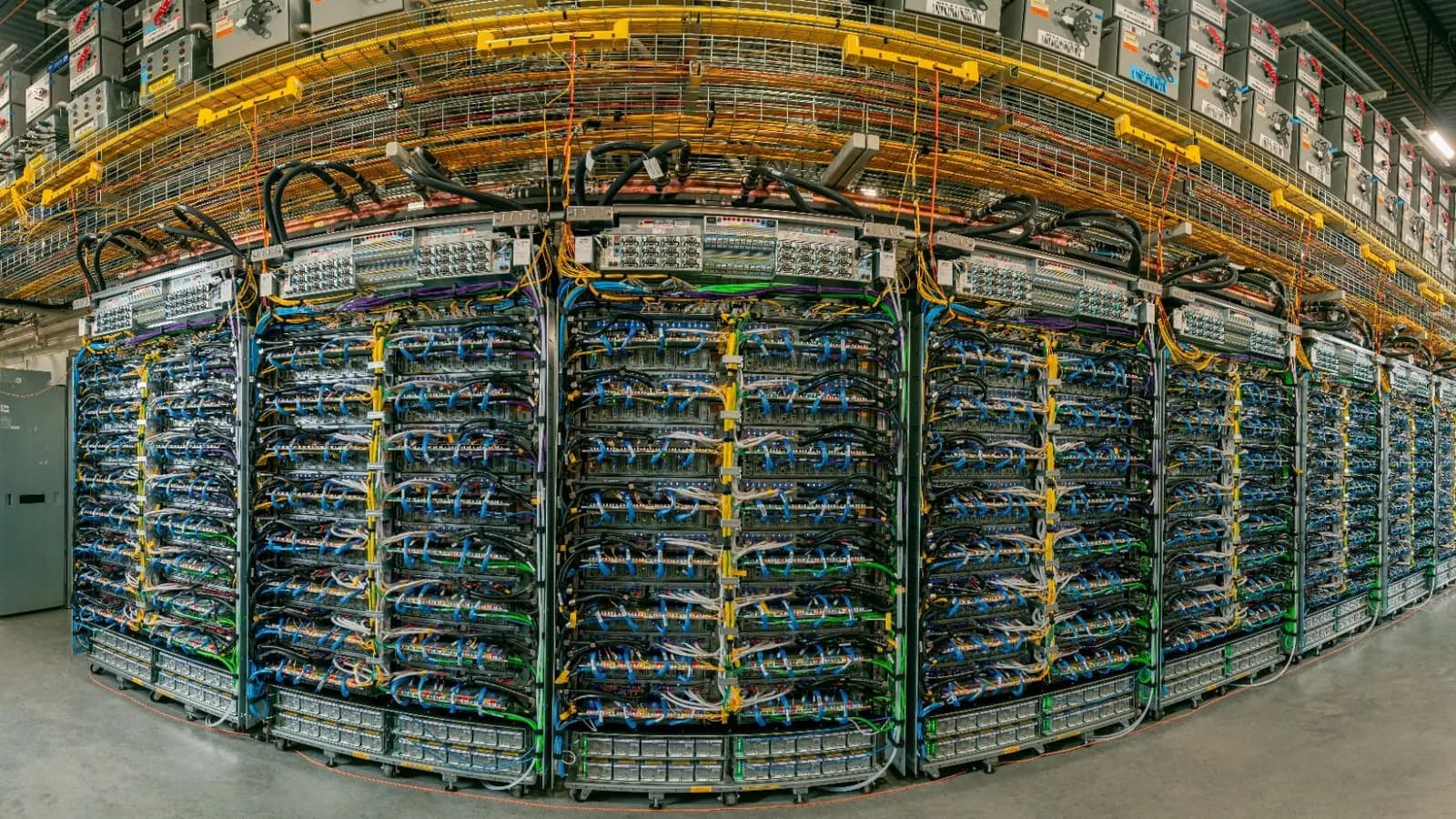
Anthropic's S-1 filing for its planned IPO offers a rare look at the cost structure of an AI lab. According to the document, the company spent about $8.9 billion on compute and infrastructure in the first half of the year, and only $2.4 billion of that went to serving Claude to paying customers. The rest went to model training, research and internal use of Claude.
Revenue over the same period reached $16.3 billion. Serving customers appears to be comfortably covered; the harder problem is the enormous capacity contracts the company has already committed to. The filing lists hundreds of billions of dollars in new TPU and GPU commitments, which by one calculation add up to roughly $800 billion.
Revenue surged while serving costs rose more slowly
Compared with the first half of last year, revenue grew about 14-fold, while the cost of serving customers rose about 2.3-fold. That gap lifted the share of each revenue dollar left after serving costs from an estimated 12% to 85%. Once payments to channel partners and cloud platform resellers and marketing expenses are included, the figure falls to 66%.
R&D moves in the opposite direction. That line grew about fivefold, and 66% or more of compute now goes there. It is the main source of the company's operating loss. The serving share of total compute fell from as much as 44% to 27%. Anthropic does not disclose how it splits compute among training, research and serving, saying it manages the resource as a single pool shared across all workloads.
The company also says demand continues to exceed the compute available to it, which suggests serving costs may have been shaped by supply constraints as well as efficiency gains. Revenue per dollar of compute spend rose from $0.40 in the first quarter of 2025 to $2.08 in the second quarter of 2026, which the company attributes to capacity bought 12 to 18 months earlier.
Hundreds of billions in capacity commitments
Anthropic runs a multi-chip architecture spanning AWS Trainium, Google TPUs, Nvidia GPUs and AMD GPUs, but it does not disclose the split by chip or capacity in gigawatts. On the TPU side, five-year equipment leasing arrangements with Broadcom carry rent of about $161.2 billion before interest; some of that capacity came online this year and the rest arrives from 2027. A separate agreement with Google covers April 2026 through July 2033 and is worth at least $114.5 billion. Additional capacity from Google and other TPU providers between 2028 and 2031 is estimated at $125 billion to $150 billion.
A contract with Amazon running from May 2026 to April 2036 is worth at least $110 billion, though the filing does not break AWS spending down by chip. Nvidia GPUs come through SpaceXAI (up to $120.5 billion), Microsoft (at least $44.9 billion), Nscale (up to about $44.6 billion) and Lambda (about $41.3 billion). A hardware supply agreement with AMD could exceed $20 billion in total if the first tranche of capacity is taken in full.
Each deal has its own termination terms. In the Google, Amazon and Microsoft agreements, Anthropic can exit only in cases such as an uncured material breach by the counterparty, and the Google and Amazon deals require minimum payments whether or not the capacity is used. The Nscale agreement allows limited exceptions, such as missed delivery or availability targets. The SpaceXAI deal is the exception: after the initial periods end in January and March 2027, Anthropic can leave on 90 days' notice.
A margin warning: hardware may arrive before revenue
The five largest compute agreements are estimated to cost an average of about $103 billion a year once deliveries are complete. Against second-quarter revenue running at roughly $46 billion annualized, that is more than double revenue. The company itself warns that margins could narrow if new hardware comes online before the revenue meant to support it.
Serving costs continue to improve. According to the company, Opus 5.5 cut per-task costs by about 40% compared with Opus 5 in September, while Fable 5.1 reduced costs by about 25% over Fable 5 on typical workloads. Anthropic says these reductions reflect a mix of lower prices and higher efficiency, and that margins have been preserved.
Anthropic's IPO is expected to come before that of rival OpenAI, which filed confidentially but whose CEO Sam Altman has said the listing will not happen this year. With AI bubble concerns widespread, the open question is whether labs can pay for serving their models. Anthropic appears to cover that cost easily; the real challenge is paying for the capacity it has ordered.
Comments
No comments yet. Be the first to comment.