
Synaptics Sends Patent Warning to Open-Source DisplayLink Dev
Synaptics sent hobbyist developer Mike Lothian a patent-infringement notice over his open-source DisplayLink driver and encouraged him to go public. The Vino repository is offline, but the dispute continues.
 Merhabyte Newsdesk · · 2 min read
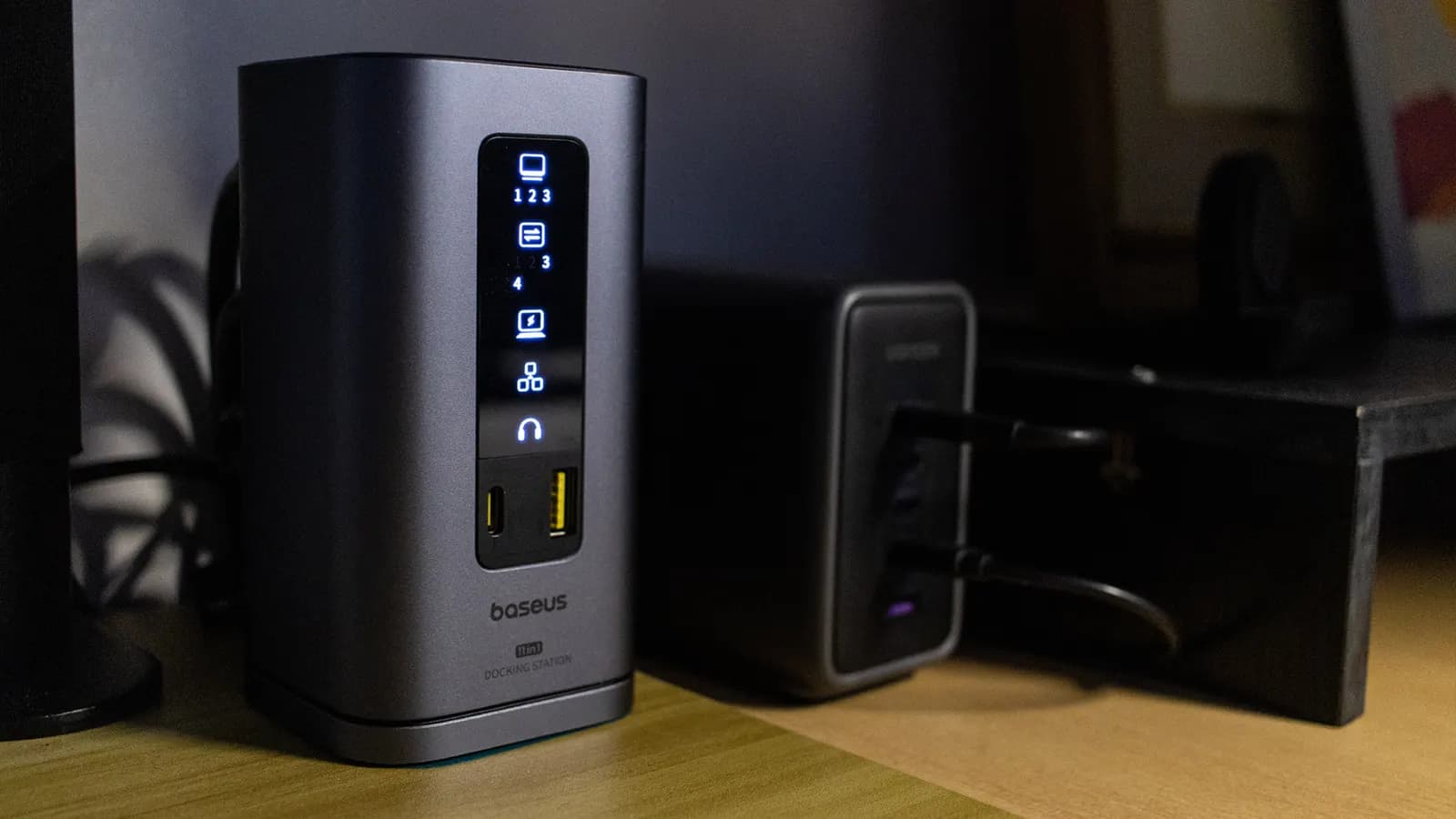
Synaptics has sent a patent-infringement notice to Mike Lothian, a hobbyist developer who wrote an open-source driver for DisplayLink hardware. According to the account, Lothian did not infringe copyright in the driver's code, but Synaptics argues the work violates its patents covering DisplayLink technology.
The most striking line in the correspondence came from the company's deputy general counsel, who told Lothian he was free to tell the press or share Synaptics' response publicly. In the counsel's words, this would amount to free publicity, showing competitors and shareholders that Synaptics defends its DisplayLink intellectual property aggressively against any threat of infringement.
How the Vino driver and the dispute began
The Vino driver was reportedly built through clean-room reverse engineering, developed in part with AI assistance, and written in Rust. Lothian says he used a Claude subscription for the work.
Things started in July 2026, when Lothian contacted a software engineer at Synaptics to get help with a few bugs he had run into. A few weeks later, the company's strategic engineering partnerships manager replied, saying Synaptics was concerned that Lothian was trying to implement the DisplayLink protocol itself, which it described as patent infringement. A legal notice from the company's legal department followed, including a demand that the Vino GitHub repository be taken down.
The patents Synaptics relies on
The company is relying on two patents, GB2484736 and GB2485613. The first, titled "Image generation," covers sending screen updates over a general-purpose data network such as USB or Ethernet using a specific architecture and compression method. The second, "Display control device," describes hardware that works with compressed data and decompresses it only when needed.
Lothian asked for details on exactly how his work infringed the patents but got no reply. When he wrote again three weeks later, Synaptics hardened its stance, saying the effort and cost of documenting the infringements would be billed to him. The deputy general counsel's message also argued that open-sourcing DisplayLink technology would erase the company's competitive advantage and teach rivals how the technology is implemented.
Lothian's objections and a possible legal fight
Lothian ultimately took the Vino repository offline, but the fight appears far from over. He argues the patents are invalid: according to him, the independent claims of both patents contained no network or transport limitation when first filed. They were granted only after being amended to add transmission over a "general-purpose data network" and, for GB2485613, an additional "transport protocol" and "unpacking" step. Lothian contends the added features were not new.
Another argument concerns the Open Invention Network (OIN). Synaptics says DisplayLink is not part of OIN, yet Synaptics itself is an OIN licensee. Some readings hold that an OIN license also covers a licensee's acquired subsidiaries and their patents, a view Synaptics apparently does not share.
Despite the tension, Lothian says he is open to talking about a reasonable resolution. If the parties cannot agree, though, the matter looks headed toward a legal showdown. The full email exchange between Lothian and Synaptics is available on the Linux Kernel Mailing List and in an attached PDF.
The fact that Lothian used an AI subscription for his clean-room reverse engineering also highlights, once again, the headache that capable AI tools are creating for large technology companies.
Add as a preferred source on Google
Comments
No comments yet. Be the first to comment.


