South Korea Identifies 80 Drivers Accused of Unlocking Tesla FSD
Seoul police have identified 80 Tesla drivers who allegedly used modules to bypass a regional restriction, and seized 21 devices. The maximum penalty is two years in prison or a fine of about $15,000.
 Merhabyte Newsdesk · · 3 min read

South Korean authorities have identified 80 drivers accused of forcibly enabling Tesla's Full Self-Driving (FSD) feature on vehicles that have not been approved for it. According to the Seoul Metropolitan Police Agency, 21 of the devices used to switch the feature on have been seized.
The investigation raises questions that go beyond the drivers themselves, in particular how easily Tesla's software protections can be circumvented. Some suspects reportedly bought ready-made devices from Europe and China, while one built his own module using information compiled from GitHub.
How the lock is being bypassed
According to reports, the unlocking modules connect to the vehicle's CAN bus, the internal communication network that links the car's electronic control units. The modules get around the software lock that disables FSD in certain regions. The approach works because Tesla fits every car with the same computer, whether or not the feature is approved locally.
The suspects include buyers of off-the-shelf devices as well as a driver reported to have installed a European-made module in his own car. Another suspect, who works in IT, developed the device himself from information he found on GitHub, suggesting the barrier to this kind of modification may be lower than assumed. The group is said to have shared tips online, including ways to stop the car from logging that FSD had been enabled. Efforts to hide activation history were likely aimed at avoiding detection by Tesla, which is itself looking for these devices.
Legal framework and penalties
Prosecutors are relying on the Motor Vehicle Management Act, which prohibits unauthorized software changes that could affect vehicle safety. In South Korea the maximum penalty for the offense is two years in prison or a fine of up to 20 million won, roughly $15,000. That is a steep price for a driver-assistance feature many owners had already paid for.
The Ministry of Transport first reported the suspicious activations to police in April. A police official said at the time that safety risks had been confirmed, including the possibility that FSD could misread driving conditions or behave differently from what the driver intends.
The certification gap and Tesla's countermeasures
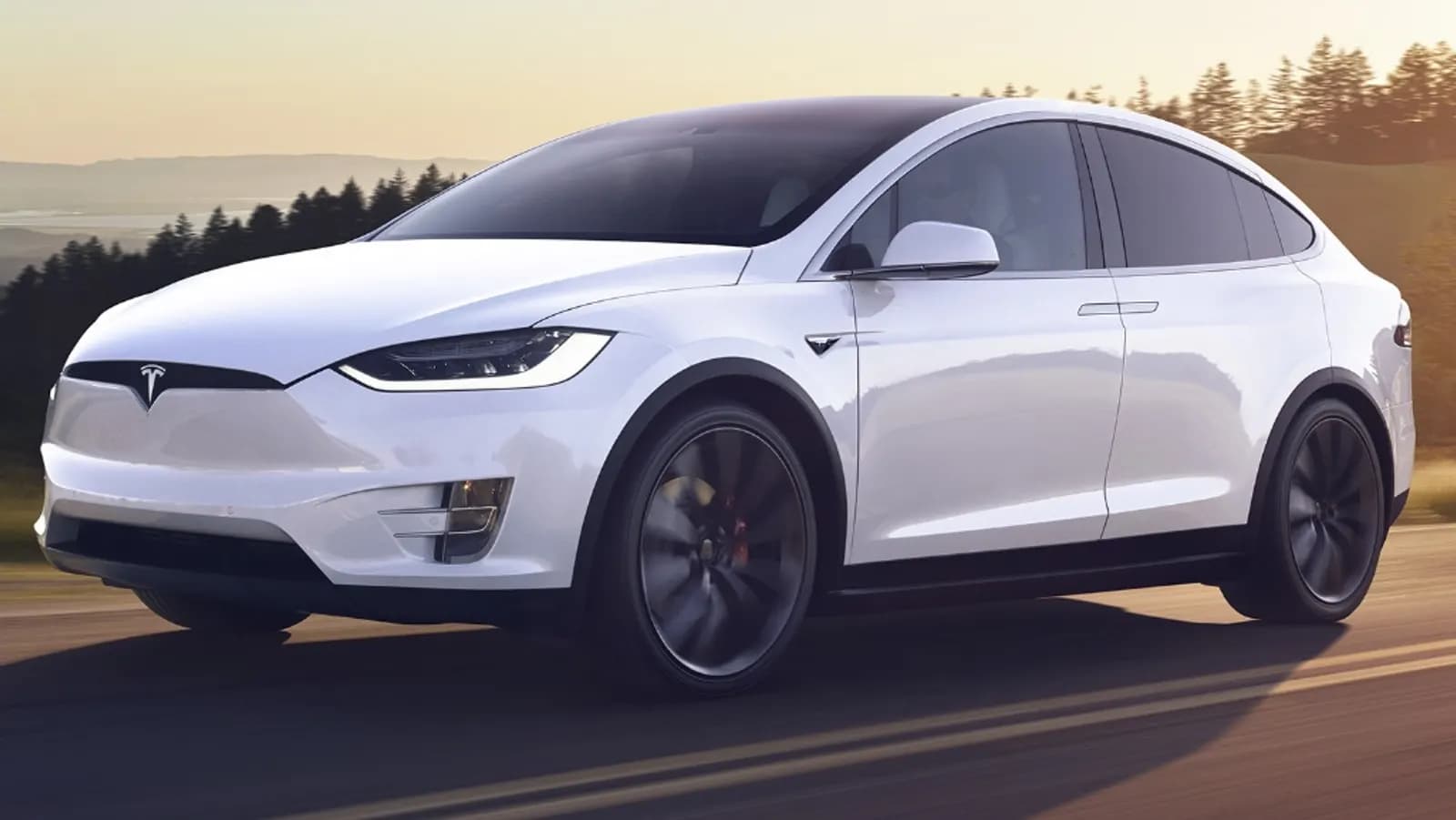
At the heart of the problem is a certification gap. Tesla began offering FSD (Supervised) in South Korea in late 2025, but only on US-built Model S, Model X and Cybertruck vehicles, which are exempt from local safety certification under the Korea-US free trade agreement. The Model 3 and Model Y shipped from Giga Shanghai have not yet received approval. There is no consensus on how many vehicles qualify; according to figures from a data provider reported last month, 47,458 of 229,311 vehicles, or 20.7 percent, appear to be eligible.
Tesla is fighting unauthorized activation on its own side as well. In April the company began remotely detecting unlocking devices and shutting off FSD access on affected vehicles. It also warned owners that unauthorized modifications could void their warranty coverage and that they could be held liable in the event of a crash.
Earlier cases
This is not the first time Tesla's software protections have been tested. In August 2023, researchers used a hardware vulnerability in the AMD processor of the media control unit to unlock some paid features. They did not confirm that all premium features could be opened.
The company has also faced regulatory scrutiny over software restrictions. In December 2021, the US National Highway Traffic Safety Administration opened a review of Tesla after an over-the-air update allowed drivers to play certain games while the car was moving. The episode showed that when features are accessible under conditions regulators consider unsafe, software changes can become a safety problem.
Comments
No comments yet. Be the first to comment.