
Ocarina of Time Remake Team Aimed for 'Elegance'
Eiji Aonuma and Hidemaro Fujibayashi discuss how the Switch 2 remake of Ocarina of Time was developed and which parts of the original they chose to preserve.
 Merhabyte Newsdesk · · 3 min read
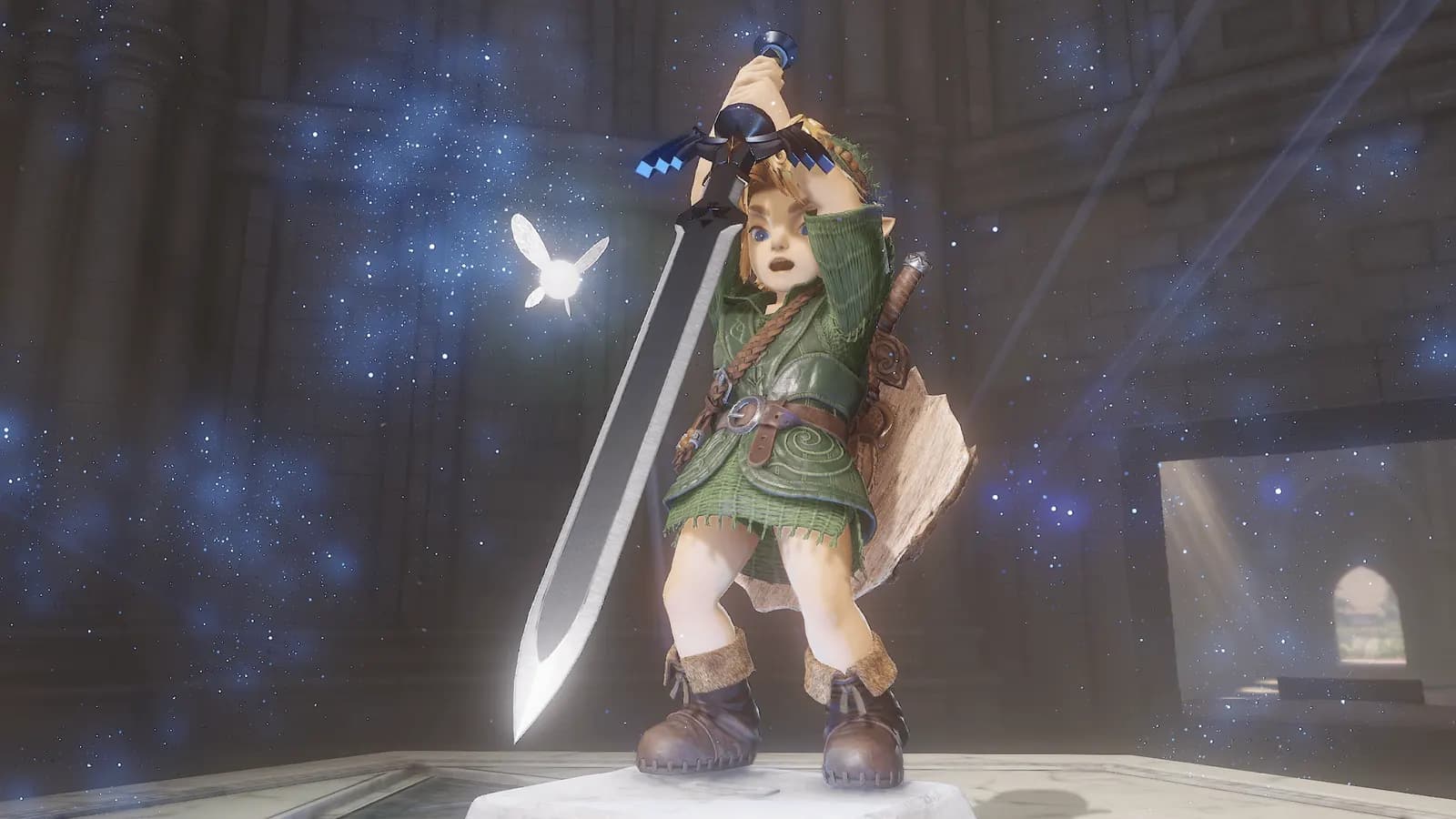
The upcoming Ocarina of Time remake for Switch 2 keeps most of the Nintendo 64 experience intact while bringing the game closer to today's standards with modern graphics and updated gameplay touches. The project is produced by Eiji Aonuma, who directed the original game and now oversees the series, and Hidemaro Fujibayashi, best known as the director of Breath of the Wild and its sequel.
In an interview ahead of the game's release, the two producers walked through the development process. The team included many younger developers, some of whom had never played the original. According to Fujibayashi, those fresh perspectives were decisive in shaping the remake.
A young team and no change for change's sake
What impressed Fujibayashi most was how readily the younger developers embraced the idea of leaving certain parts of the original alone. He said the team approached the project with great care, and that he trusted they were not chasing additions made merely to be new, which could needlessly complicate the experience.
In Fujibayashi's words, what the team was after was elegance: thinking about only what was necessary, what truly mattered in the original, and how to carry it forward. He added that the developers could take that mindset into their future projects.
Production has grown far larger since 1998
Aonuma, who worked on both the N64 release and the remake, said the most striking difference between the two eras is the scale of production. In the past, a single person could design the backgrounds; today that is no longer possible. He noted that much of the process is not so different from the N64 days, but it now takes far more time and people, which can make teams harder to manage.
Player expectations have changed as well. Ocarina of Time was the Zelda series' first step into 3D, and things like being unable to control the camera or jump whenever you want can feel dated today. Because recent Zelda games place such emphasis on player freedom, going back to the original Ocarina after building your own flying machine in Tears of the Kingdom can feel restrictive.
Camera, jumping, graphics and Navi
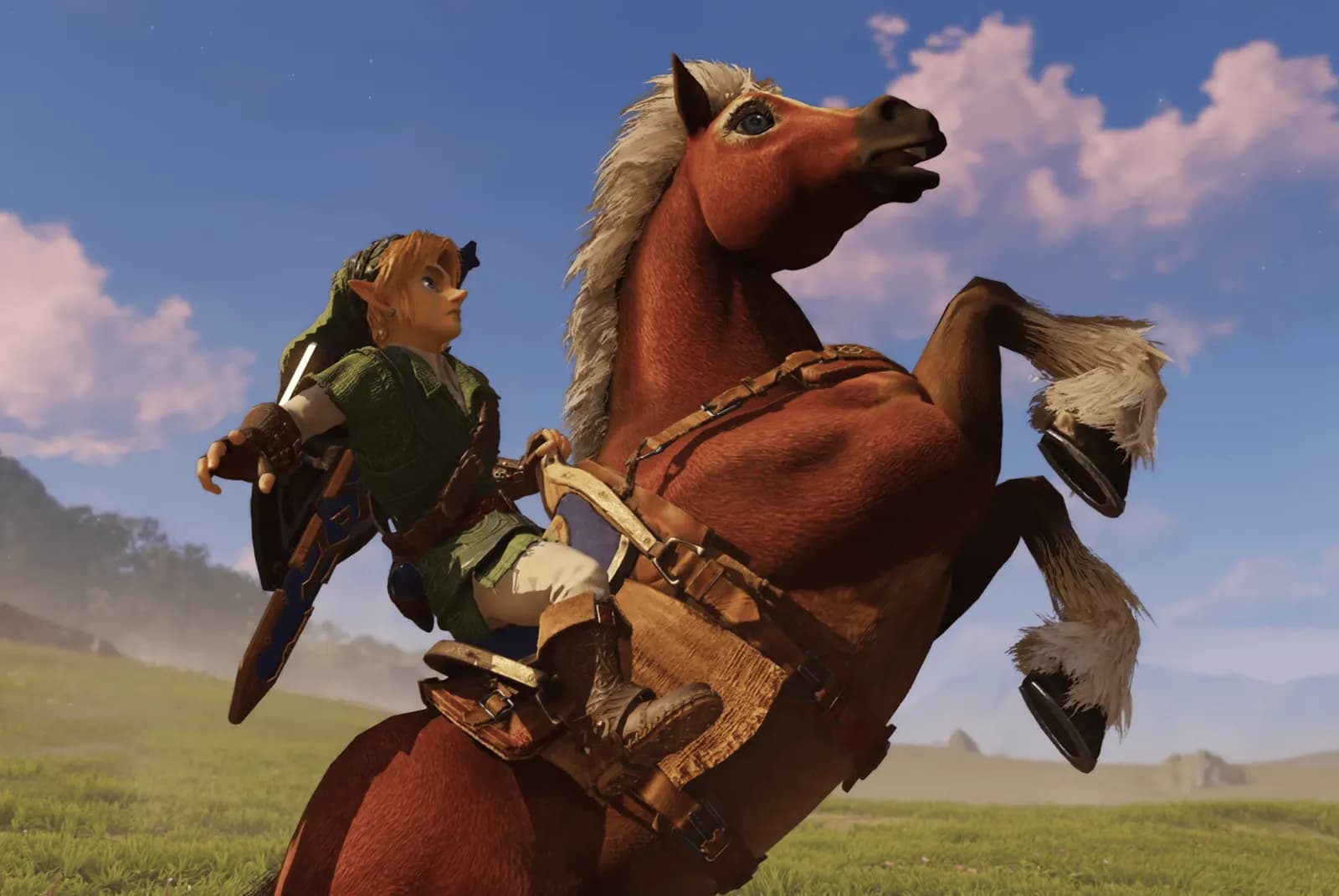
To bridge the remake and modern games, the team gave players full camera control and the ability to jump anywhere. Aonuma said free jumping meant the world had to be readjusted to balance that freedom. He admitted he was unsure about doing this at first, but after trying it he felt it gave players a different way to reach their objectives. In his view, that small extra freedom works partly because it brings something of Breath of the Wild and Tears of the Kingdom into this game.
The refreshed graphics, which blend realism with fantasy-inspired art, give the remake a visual style distinct from other Zelda games. Aonuma said the goal was to reveal details of the world that players could not see in the original. They had wanted to do that back then too, he added, but the hardware of the time did not allow it.
The core mechanics, meanwhile, still hold up well compared with early 3D games. Fujibayashi, who was working at Capcom when the original came out, recalled waiting with curiosity to see how Nintendo would solve the problems posed by large 3D worlds. Z-targeting, which makes combat more intuitive by letting players lock on to enemies, was among the most effective solutions, and Fujibayashi said such solutions remain a foundation for his own 3D game designs.
For Aonuma, the remake was also a chance to address some problems in the original. Navi, the fairy who guides Link, could be overwhelming when trying to help, which made her somewhat annoying. In the remake she is still by Link's side at all times, but she talks noticeably less. Aonuma explained that during N64 development the team was thinking about how to guide players through the adventure, which is why Navi's hints were added. He said the idea was to leave a small gap in information that players could work out for themselves rather than handing them the answer, but that balancing this was difficult: the more hints there were, the more Navi talked, and that changed the player's experience. In the remake, he said, they looked for ways to make all of this more relaxed and fluid.
Add as a preferred source on Google
Comments
No comments yet. Be the first to comment.


