
Nintendo Takes Down 144 GitHub Repos Hosting Switch Modchip Software
A DMCA request sent to GitHub has disabled repositories hosting open-source software for the SX Core, SX Lite, Picofly and HWFLY modchips.
 Merhabyte Newsdesk · · 2 min read
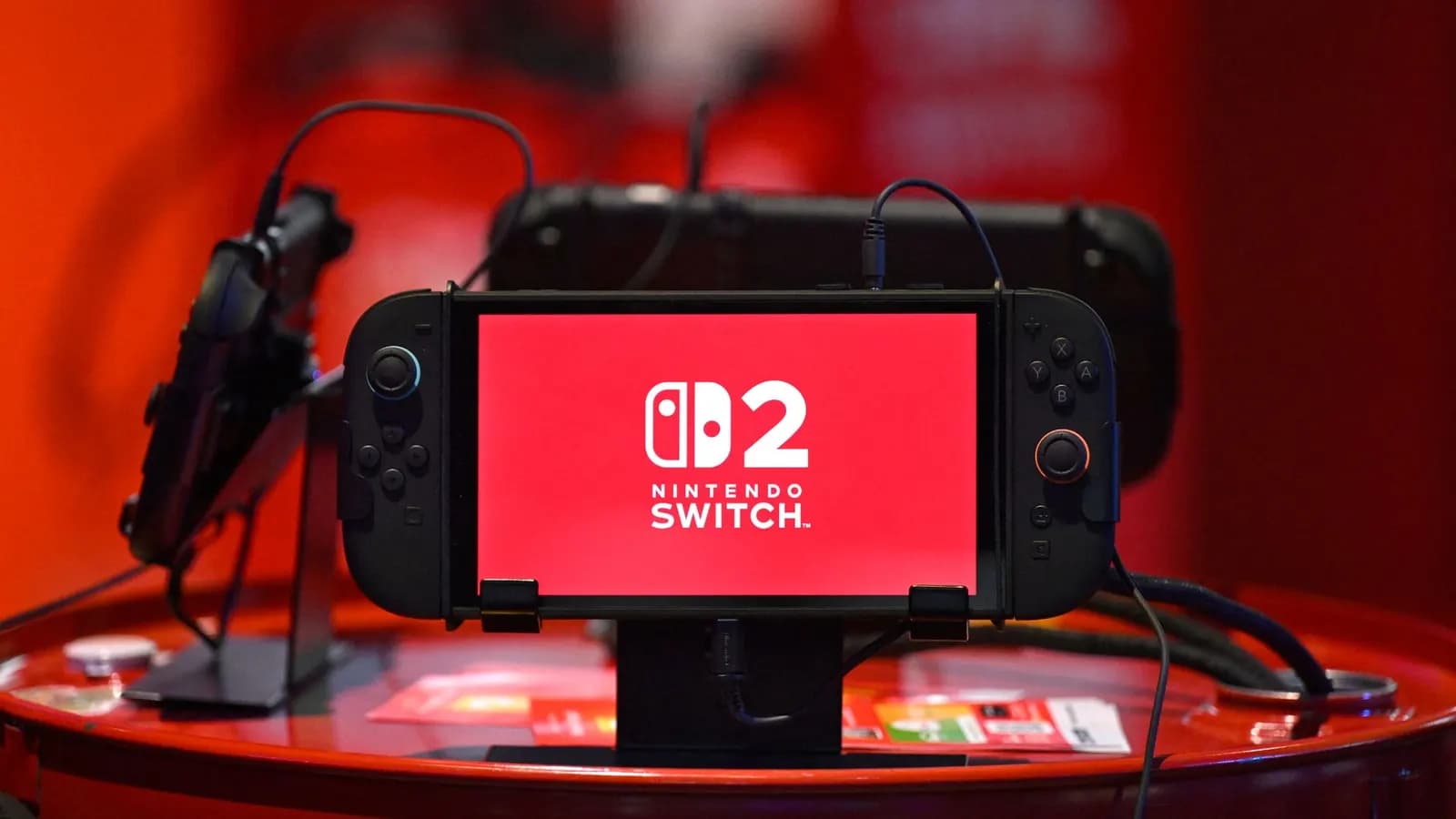
Nintendo has taken fresh legal action against software that powers hardware modchips for the Switch. According to a DMCA notice published by GitHub, a request from Nintendo of America led to a network of 144 repositories, including the main one, being disabled.
The notice covers the software needed to run modchips such as the SX Core, SX Lite, Picofly and HWFLY. The move does not directly affect people who already have a modchip installed, but it makes life harder for anyone who wants to mod a console this way in the future.
Why the software was targeted
First-generation Nintendo Switch consoles shipped with a hardware flaw in the device's recovery mode that cannot be fixed with a patch. The flaw was closed in later production runs, such as the Switch Lite and Switch OLED. The modchip method does not work on the Switch 2.
On consoles where the flaw has been closed, running custom software requires soldering a microchip such as the Picofly, HWFLY or SX Core onto the motherboard. These chips need code of their own that can perform the voltage manipulation required to bypass the system at boot. Rather than going after companies that sell ready-made microcontrollers, Nintendo chose to target the family of GitHub repositories hosting that software.
Nintendo's legal argument
The DMCA notice says the repositories offer, link to or provide access to modchip software for the SX Core, SX Lite, Picofly and HWFLY. According to Nintendo, this software skips the boot sequence to defeat the console's technological protection measures and allows illegally copied games to run.
The company argues that the primary purpose of the repositories is to circumvent access controls covered by the DMCA, and it describes distributing the software as trafficking in illegal technology. To support that view, it points to the US Department of Justice's criminal case against Team-Xecuter, which made and sold the SX Pro, SX Core and SX Lite modchips.
What it means for users
Modchips can be used for piracy, but their uses are far broader. They make it possible to run custom software and apps, emulation, alternative operating systems, game mods, custom themes and even overclocking the Switch. In its notice, Nintendo naturally focused only on access to pirated games and the circumvention of DRM.
Because much of this hardware and software is already circulating online, existing modchip owners will not notice a change in daily use. However, with the repositories gone, software updates for existing chips can no longer be published, and chips cannot be reflashed with their software. It also makes things harder for new users who want to mod their console this way.
Nintendo is known for defending its copyrights aggressively, but advances in AI are complicating that fight. The Zelda remake leaking online on the day it launched on the Switch 2, a developer using AI this year to port the Nintendo 64 version to iOS, and Mario Kart Wii being recompiled for PC in 4K with more than 200 tracks in July all point to the wider picture Nintendo is up against.
Add as a preferred source on Google
Comments
No comments yet. Be the first to comment.


