
Legacy Windows POS terminals hacked: over 1M card records stolen
Researchers uncovered a campaign targeting 782 point-of-sale terminals running outdated Windows versions. More than a million cards' data was reportedly stolen.
 Merhabyte Newsdesk · · 3 min read
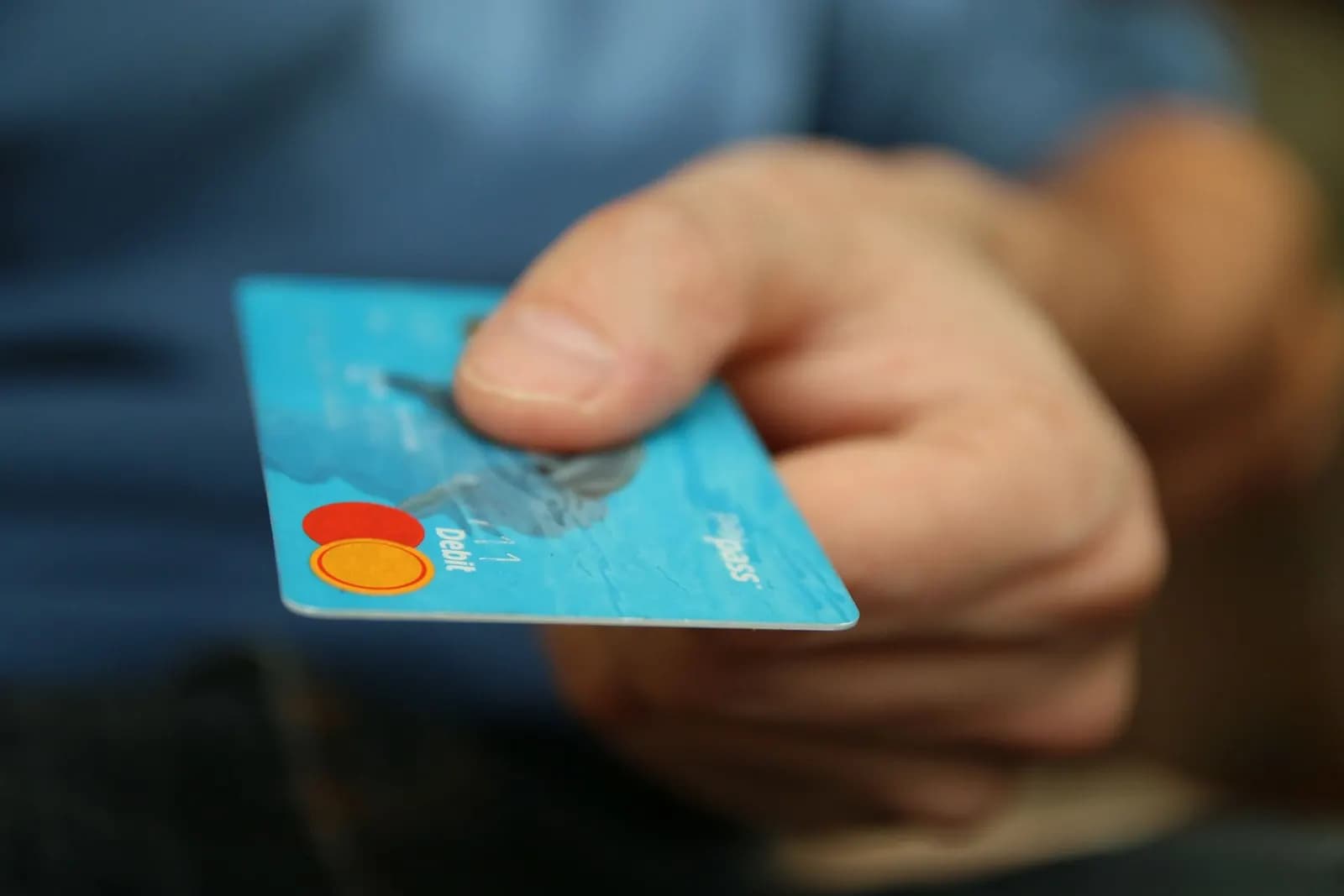
Point-of-sale (POS) terminals that process card payments in stores sit at the center of a large-scale data theft campaign. According to security researchers, attackers compromised 782 devices in total and stole information on more than a million credit and debit cards. Cardholders in more than 20 countries are now at risk.
The campaign relies on a vulnerability in unpatched legacy Windows systems. The flaw was fixed roughly two years ago, which means the victim devices had been running for a long time without updates after the patch was released.
An exposed server revealed the whole operation
Researchers discovered a server that had been left open to the internet. It held the attack's entire infrastructure: the malware's source code, a range of exploitation tools, and a carding panel called "VINY JUNIOR TRILHAS" where the stolen card data was stored.
The server was taken down on August 31, 2026. The researchers reported the situation to the country's computer emergency response team (CERT) on September 8.
The flaw used and the affected devices
The malware targeted POS terminals running older versions of Windows and Windows Server. The attack exploited CVE-2024-49138, a privilege escalation vulnerability in the Windows Common Log File System (CLFS) driver. Exploiting it requires the attacker to already have access to the system. Because the flaw was patched about two years ago, the victim devices appear to have gone without updates for a long time.
Of the 782 compromised systems, 677 are in Brazil, followed by 22 devices in the United States and 8 in Russia. Analysis of the server indicates the attackers mainly targeted Brazilian banks.
What data was stolen
The attacker installed an information-stealing malware on the terminals to harvest data passing through during payment transactions. The stolen data includes card numbers (PANs), expiration dates, bank identification numbers (BINs), the issuing country and bank, the date the data was exfiltrated, and the card type and brand. The malware also collected the terminals' operating system versions and their country and city locations.
According to the researchers, this was not a one-off heist. The attack was a long-running campaign, and the terminals kept passing daily transactions to the attackers.
How stolen cards can be abused
The researchers say at least one million cardholders face the risk of financial fraud, including unauthorized spending and account takeover. They stress that the actual damage will depend on the issuing bank's fraud detection systems and protection policies, as well as how quickly suspicious transactions are noticed and reported.
Personal data theft happens every day, but card data is stolen far less often. It can have more devastating consequences, up to draining accounts entirely. On the other hand, banks' differing limits and protection practices, along with the fact that most transactions can be traced, make it harder for attackers to actually spend the money. Losses of hundreds of thousands of dollars are not out of the question, but attackers are considered more likely to go after comparatively smaller purchases.
Cards can be used to buy bulletproof hosting for malware and other attack tools, to place ads for malware or even ransomware on reputable ad networks, or to purchase virtually untraceable gift cards. The data can also be sold on the black market or used to craft convincing phishing emails built around card details. A victim might be told their card was used and urged to click a link to block it immediately, which could lead to a ransomware infection. Attackers could then demand ransoms of millions of dollars through channels that are much harder to trace.
Add as a preferred source on Google
Comments
No comments yet. Be the first to comment.


