
Russia Reportedly Preparing Nuclear-Armed Satellite, Sputnik-S
Citing Western intelligence sources, reports claim Russia is preparing to launch a nuclear-armed satellite called Sputnik-S before the end of the year. Moscow denies the allegations.
 Merhabyte Newsdesk · · 2 min read
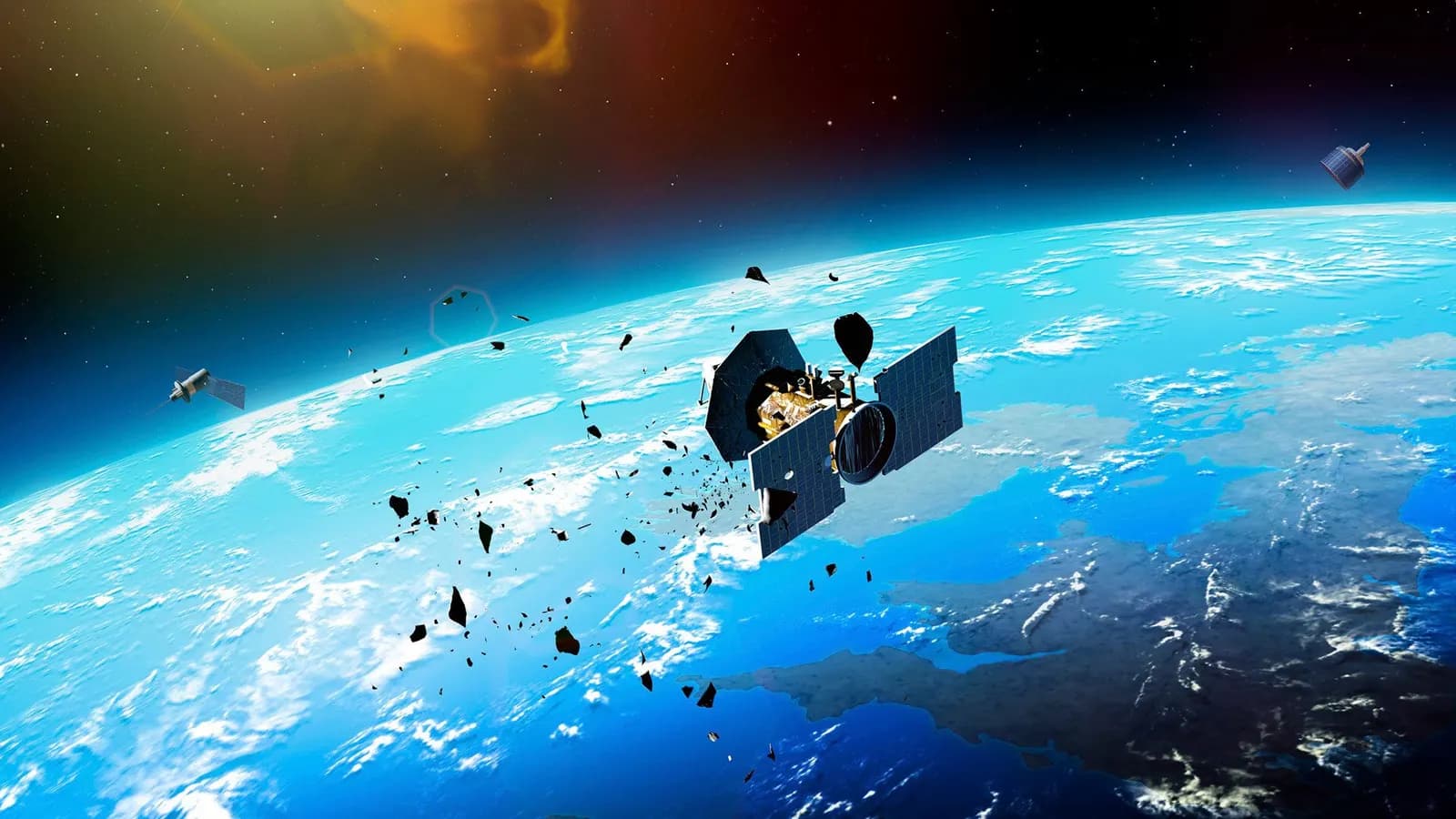
Western intelligence services reportedly believe Russia is preparing to put a nuclear-armed satellite into orbit before the year is out. The spacecraft, known as Sputnik-S, is thought to have been in development for the past few years. The United States first raised the alarm over the issue in February 2023.
According to a German news report, the country's armed forces are already concerned about the impact such a satellite could have. An expert cited in the report says a weapon of this kind could instantly disable a third of the satellites in low Earth orbit, with the rest likely to fail over time.
A 60-day warning window
The report says information on Sputnik-S has been shared among several NATO member states. Intelligence services have reportedly warned that a launch could take place within 60 days. Because the warning was issued in early November, the satellite could be in orbit and active by early December. That is an estimate, however, and there is no confirmation that any launch has occurred.
The US Defense Intelligence Agency (DIA) also warned in its own report that Russia has developed a satellite designed to carry a nuclear weapon. Russia's embassy in Germany dismissed the claims as baseless and described them as part of a propaganda campaign against the country.
Would it breach the 1967 Outer Space Treaty?
If the allegations are true, launching such a satellite would violate the 1967 Outer Space Treaty. The agreement prohibits any state from placing an object carrying nuclear weapons or other weapons of mass destruction into Earth orbit. Although there is no suggestion that the weapon would be aimed at Earth, Sputnik-S would still breach the long-standing treaty, observers stress.
Possible effects and potential targets
According to the expert quoted in the report, a nuclear detonation in space could immediately disable a third of low-orbit satellites, with the remainder failing progressively over the following months. The same assessment suggests the resulting electromagnetic pulse could also cause widespread technical damage on the ground. Since satellites are critical to civilian life, military operations and intelligence gathering, the question of why Russia would want such a capability has come into focus.
SpaceX's Starlink satellites are among the possible targets. Starlink provides fast, reliable internet in regions that conventional connections do not reach, and Ukraine has made use of it. After SpaceX limited the service's performance, however, Ukrainian officials are reported to have opted for their own "flying modems" to avoid depending on Elon Musk's company. Russia, meanwhile, is trying to field its own Starlink rival, but those efforts have had limited success so far; in September, a group of 16 satellites was lost during launch.
Add as a preferred source on Google
Comments
No comments yet. Be the first to comment.


