
Russia Deploys AI-Powered Filter Against VPN Traffic
Roskomnadzor has reportedly added a machine learning tool to its national web filtering system at a cost of 2.27 billion rubles. Experts say all VPN protocols could be affected.
 Merhabyte Newsdesk · · 3 min read
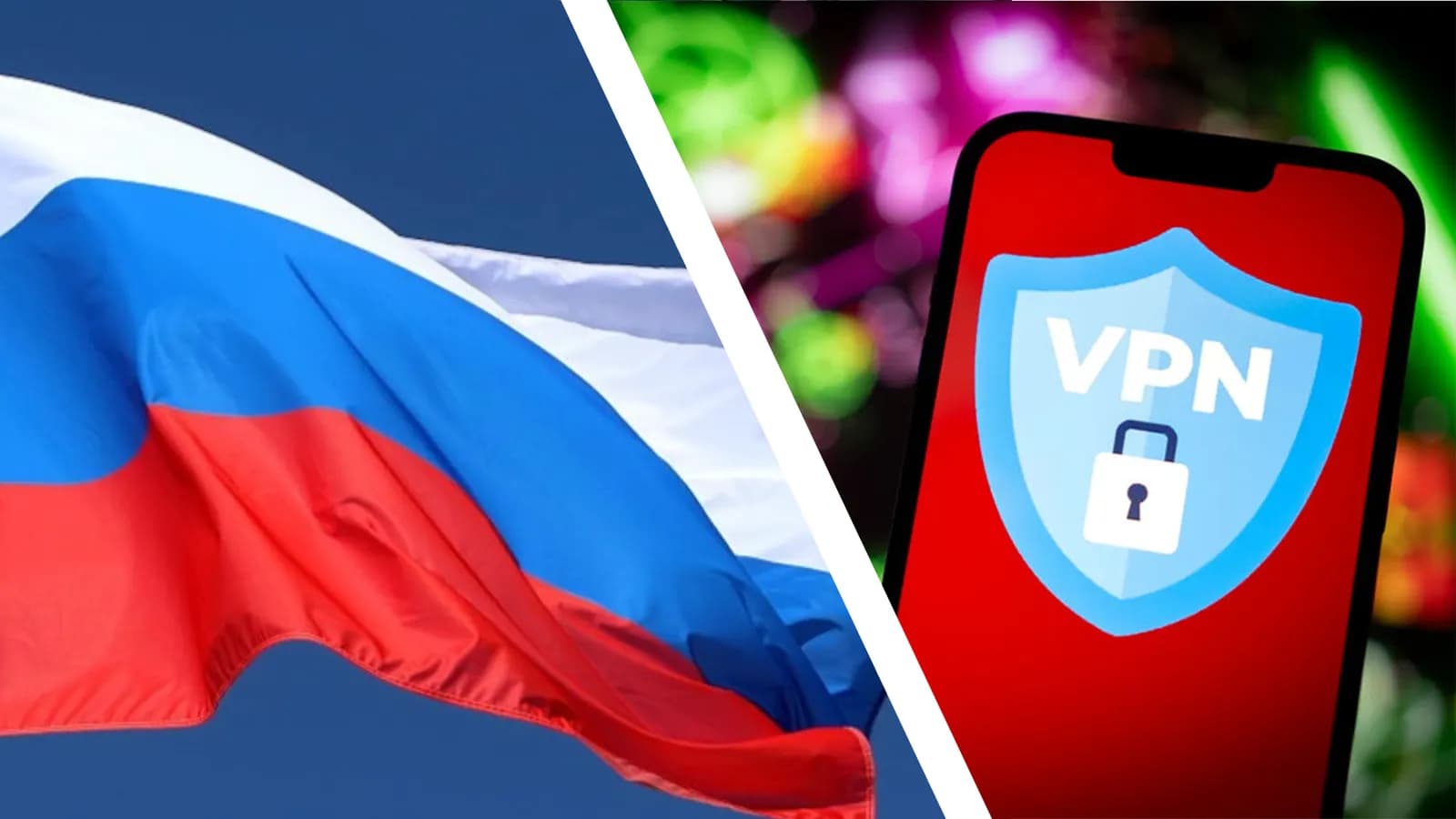
Russia's communications regulator, Roskomnadzor, has reportedly put machine learning-based filters into operation to restrict virtual private network (VPN) connections nationwide. According to the information that has surfaced, the agency spent 2.27 billion rubles on the project, figures that are said to come from government digital transformation documents.
The move points to a significant tightening of the Kremlin's control over the internet. For millions of users who rely on VPN software to reach independent news sources and blocked foreign sites, circumventing censorship may become increasingly difficult. Earlier leaked information had suggested that artificial intelligence would be the next tool deployed against VPNs; procurement records now indicate the system is already active.
Metadata is monitored instead of decrypting traffic
The tool, which runs inside the agency's internal infrastructure, is described not as a generative model like a chatbot but as a predictive classification system. Rather than trying to decrypt user content, it looks for behavioral fingerprints in connection metadata, chiefly packet sizes, transmission intervals, session durations and hosting server patterns.
The system has been integrated into ASBI, the centralized architecture that manages the deep packet inspection hardware installed at internet service providers. According to Dmitry Kuteynikov of the digital rights organization RKS Global, an expert on AI regulation, the tool is classified as an intelligent decision-support system and has 101 users. In his assessment, at this stage the system helps Roskomnadzor staff decide what to block.
Obfuscation protocols also at risk
Experts warn that blocking is likely to accelerate now that the model is in use. Users may need to expect VPNs to work less reliably, with connections dropping without warning. Kuteynikov says even advanced obfuscation protocols will struggle to pass unnoticed: while it is possible to hide a protocol's signature, the traffic pattern of the tunnel remains visible, and a behavioral model looks for exactly that pattern.
A developer of Russia-based Amnezia VPN offers a similar assessment. According to the developer, because such a model targets the general characteristics of VPN traffic rather than a single protocol, it could affect a broad range of protocols.
Businesses are caught in the crossfire
Automated filtering is already causing disruption on Russian business networks. Although Russian law technically exempts in-house corporate VPNs, under automated inspection corporate connections look almost identical to censorship-circumventing tunnels. Telecom sources say the traffic analysis algorithms misclassify traffic in 5 to 6 percent of cases. When Roskomnadzor blacklists entire hosting subnets to take down circumvention servers, unrelated websites and corporate cloud applications are affected too.
Earlier roadmaps had envisioned an AI capable of blocking 95 percent of VPNs. Although the official targets have been quietly revised, funding continues to grow. The Kremlin is reportedly preparing to double its internet censorship budget over the coming years, with a further 10.2 billion rubles earmarked for 2026 alone to upgrade deep packet inspection equipment.
What it means for VPN users
After the ban on mainstream social networks and foreign media outlets, millions of Russian users turned to privacy software. Authorities responded by banning more than 400 commercial VPN brands, prohibiting advertising for circumvention software and pressuring search engines to remove guides from their results. Domestic banking and telecom operator apps are also alleged to scan user devices, detect installed VPN applications and ask users to delete them.
Despite the difficult conditions, VPN providers are expected to keep working on solutions. The Amnezia VPN developer says censors will find ways to block VPN traffic, services will be disrupted for a time, and then a new workaround will emerge. Kuteynikov advises users to keep several tools on hand and, where possible, to run their VPN on a home router.
Add as a preferred source on Google
Comments
No comments yet. Be the first to comment.


