
Proton Now Hosts Map of 300,000+ Flock Cameras in Switzerland
Security researcher Joshua Michael received a cease-and-desist letter from Flock over his camera map. Proton now hosts a copy that anyone worldwide can open.
 Merhabyte Newsdesk · · 2 min read
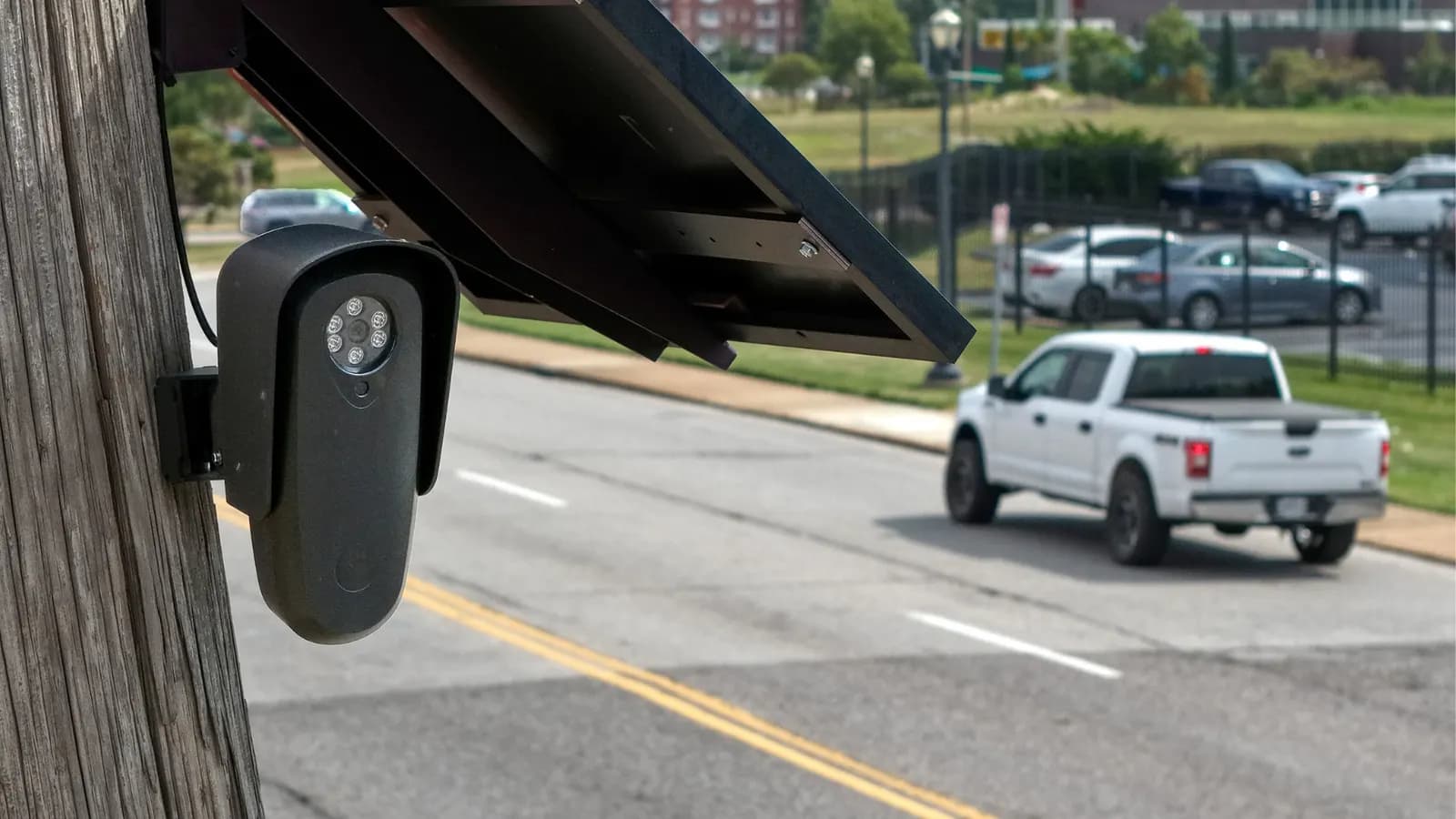
Proton AG, the company behind privacy-focused services such as Proton Mail and Proton VPN, has begun hosting a camera map built by security researcher Joshua Michael from leaked Flock data. Flock had previously sent Michael a cease-and-desist letter, leaving the researcher facing the company's legal threats.
The map shows the locations of more than 300,000 Flock cameras, including its license plate recognition units. With Proton's copy, the map can now be opened from anywhere in the world, without the access restriction imposed by the original site.
The original map is online but restricted
Michael's Flock Surveillance Map is still available. However, the site only loads from within the United States, so users elsewhere need a VPN to reach it. The copy hosted by Proton carries no such limitation and opens easily from anywhere.
Proton's headquarters in Switzerland also makes it somewhat more complicated for Flock to take legal action. The move to shield the researcher's work is consistent with Proton's broader approach to privacy.
Proton's rationale and how the map works
Proton argues that people have a right to know who is recording them when they leave their homes. According to the company, this matters even more when the data sits in the hands of a private company and it is unclear how law enforcement uses the information. The map supports searching by ZIP code and shows where Flock's plate readers are located.
The company says users can use this information to make informed decisions about how to act in their own areas, and that those who see fit can contact their municipal officials.
The technology at the heart of the privacy debate
Flock and similar automatic license plate recognition (ALPR) cameras sit at the center of the privacy debate between law enforcement and citizens. These systems consist of cameras that automatically read the plates of passing vehicles. Police argue the devices make communities safer, while many citizens worry the technology could be misused.
Those concerns are not unfounded: there have been multiple cases in which police officers used Flock cameras to track romantic partners. A separate incident involved a mistaken identity caused by a lapse in police procedure.
A limit of the map: November 2025 data
The map Proton published is based on data from November 2025. It is therefore not a live tracking tool but a snapshot of the Flock network as it stood at that time.
For those looking for a more current source, attention is being drawn to a recent update from MapQuest that shows the locations of ALPR cameras operated by Flock and other companies. People concerned about privacy could use that information when planning trips to avoid being picked up by ALPR cameras.