
iPhone Duo after one day: quirky, but still impressive
A buyer who picked up the iPhone Duo at Apple's Fifth Avenue store says the under-display camera, Touch ID and app support don't spoil the experience, while two software flaws still need fixing.
 Merhabyte Newsdesk · · 3 min read
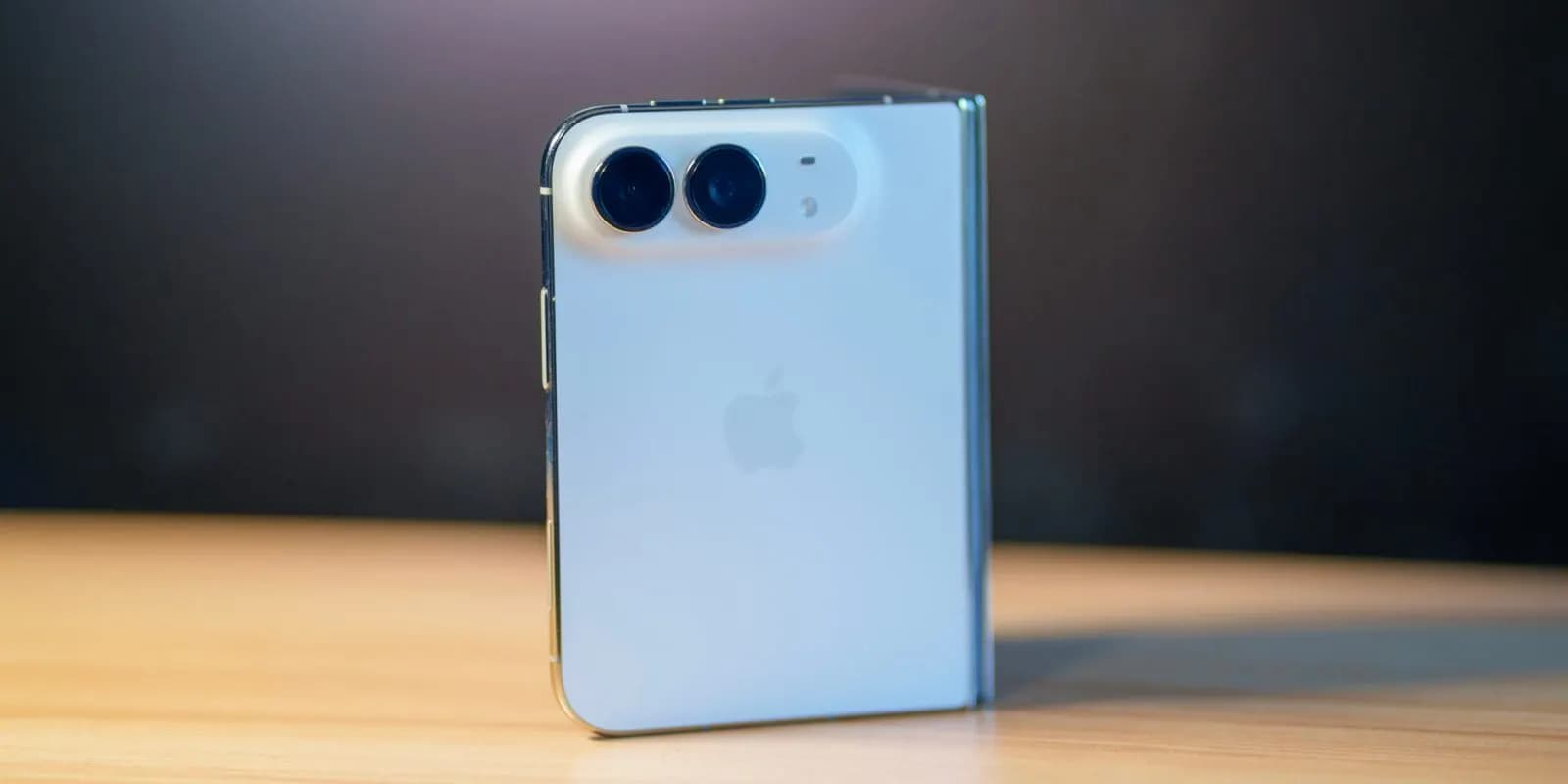
A user who bought the iPhone Duo at Apple's Fifth Avenue store in New York has shared his experience after the first day with the device. In his view the phone is not flawless, but by the end of day one it is enjoyable enough that he is looking forward to using it every day.
When people talk about the device, many point to the under-display FaceTime camera, Touch ID and app support as compromises. The author argues that these features make the iPhone Duo weaker than a conventional iPhone, but not to the point of ruining the experience.

Under-display camera, Touch ID and app support
The author recalls that Apple drew attention last year with the iPhone Air and its thinness. That thinness, he says, came at a price: mediocre speaker quality, a single rear camera and battery life that lagged behind other iPhone models. The phone was usable, but it demanded sacrifices. With the iPhone Duo, he says, he never gets the feeling of having given up something that really matters.
Switching to Touch ID takes some learning, but the author doesn't find it hard. The FaceTime camera beneath the display is worse than it would be if it weren't under the screen, yet in good lighting, especially on video calls, it looks perfectly adequate.
The app support concern, he thinks, is overblown. Many early reviewers stressed that numerous apps had not yet been updated for the iPhone Duo. The author points out that reviewers got the device early, while most developers planned to release their updates once the phones reached consumers. In his view, the number of apps updated over the past few days has risen noticeably.
The outer screen and two things to fix
The author sees the outer screen not as an afterthought but as a space genuinely worth using. The display is smaller, and less content can be read than on a taller screen, but he finds that refreshing. The keyboard stays full width, and less of the background context is visible at once, which makes the experience feel more focused.
Two issues stand out, both largely fixable in software. First, iOS still allows the swipe-back gesture only from the device's left edge, even though the navigation elements sit on the right side, which feels contradictory. He says he tried to swipe back from the right edge many times on day one before getting used to reaching for the left. Since he finds this form factor very easy to reach in other respects, he wants Apple to adjust it.
Second, unlocking with Apple Watch. The feature works well and makes the absence of Face ID less annoying. But when you hand the phone to someone else, that person can unlock it directly. The author thinks pairing basic camera-based face recognition with Apple Watch unlock would be a good improvement.
The folio case and overall impression
The author does not recommend Apple's official folio case. At $129, its kickstand doesn't feel very solid. The front cover also causes problems when taking photos with the outer screen: it can't fold back because it blocks the camera, so it has to be held loose in the air. He suggests waiting for third-party options.
Overall, the user is very happy with the iPhone Duo. He says he has never had so many people in public ask about his iPhone, and that the device is generating excitement that hasn't been seen in a long time. A reader comment on the piece strikes a similar note: the front screen would be the first choice for everyday tasks, though the reader would like the browser URL bar to be movable to the bottom on the inner screen too. The same reader adds that giving up Face ID was hard at first and that Apple Watch unlock largely makes up for it, but that they will keep using their Pro model for hiking and backpacking trips because they don't like the camera quality here.