Nadella warns AI risks losing its social license at Davos
Microsoft CEO Satya Nadella told Davos that if AI fails to deliver tangible benefits, public support for the technology could erode quickly.
 Merhabyte Newsdesk · · 2 min read
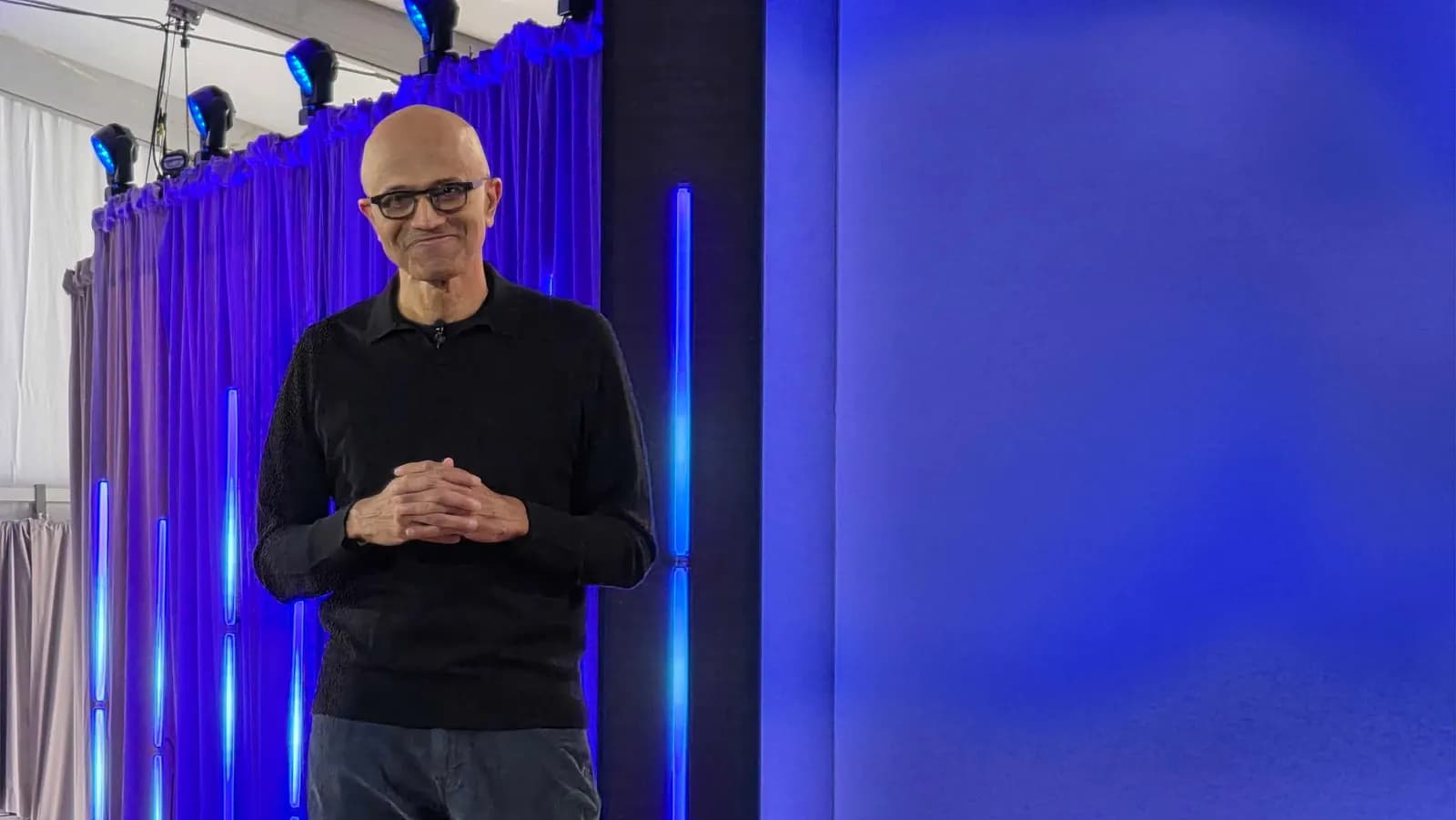
Microsoft CEO Satya Nadella used his appearance at the 2026 World Economic Forum in Davos to assess AI's effect on the global economy and the business world. His headline message was blunt: if AI is not put to useful work, the social permission granted to the technology could disappear quickly.
According to accounts of the talk, Nadella acknowledged a gap between the expectations surrounding AI and the concrete difference it is making in people's lives. He cautioned that when there is nothing tangible to point to, unease can build and eventually harden into something more obstructive.
The gap between hype and real impact
AI models continue to improve from one generation to the next, yet worries persist about how useful the technology will prove in practice and whether it will hit a ceiling before making a meaningful impact. At a time when some roles, responsibilities and jobs are being replaced in the name of AI, it remains debatable whether that actually makes things better.
That is where the tension Nadella pointed to lies. The AI buildout has swept up not only the big technology companies but much of the corporate world. By conceding that a gap exists between the hype and the real effect on people's lives, Nadella suggested that backlash could grow if there is little to show for it.
Energy demand and data centers
For AI to keep growing at its current pace, what matters is not only the computing power needed to train models but also the inference workloads that expand as usage rises. That requires a large number of data centers to generate tokens, and generating tokens means AI leaders need abundant energy.
The amount of electricity AI companies plan to consume has raised public concern, not least because much of the infrastructure is being built close to towns and cities. Over time, both citizens and lawmakers appear to be objecting to new data center projects, citing the strain on the power grid, environmental damage and the burden on local communities.
What it means for the industry
Nadella's remarks point to the possibility that the obstacles facing the AI buildout are not purely technical. Energy scarcity and local opposition to data centers stand out among the bottlenecks confronting infrastructure investment.
Against that backdrop, showing that AI makes a visible difference in people's lives is the condition Nadella put front and center. In his own framing, if nothing useful comes of it, the social permission could be lost fast.