Microsoft Outage Left 15 Hotel Guests Poisoned by Chlorine Gas
A German hotel's sauna safety system sent its alerts by email. When a Microsoft cloud outage stopped the messages from going out, chlorine levels rose unchecked.
 Merhabyte Newsdesk · · 2 min read
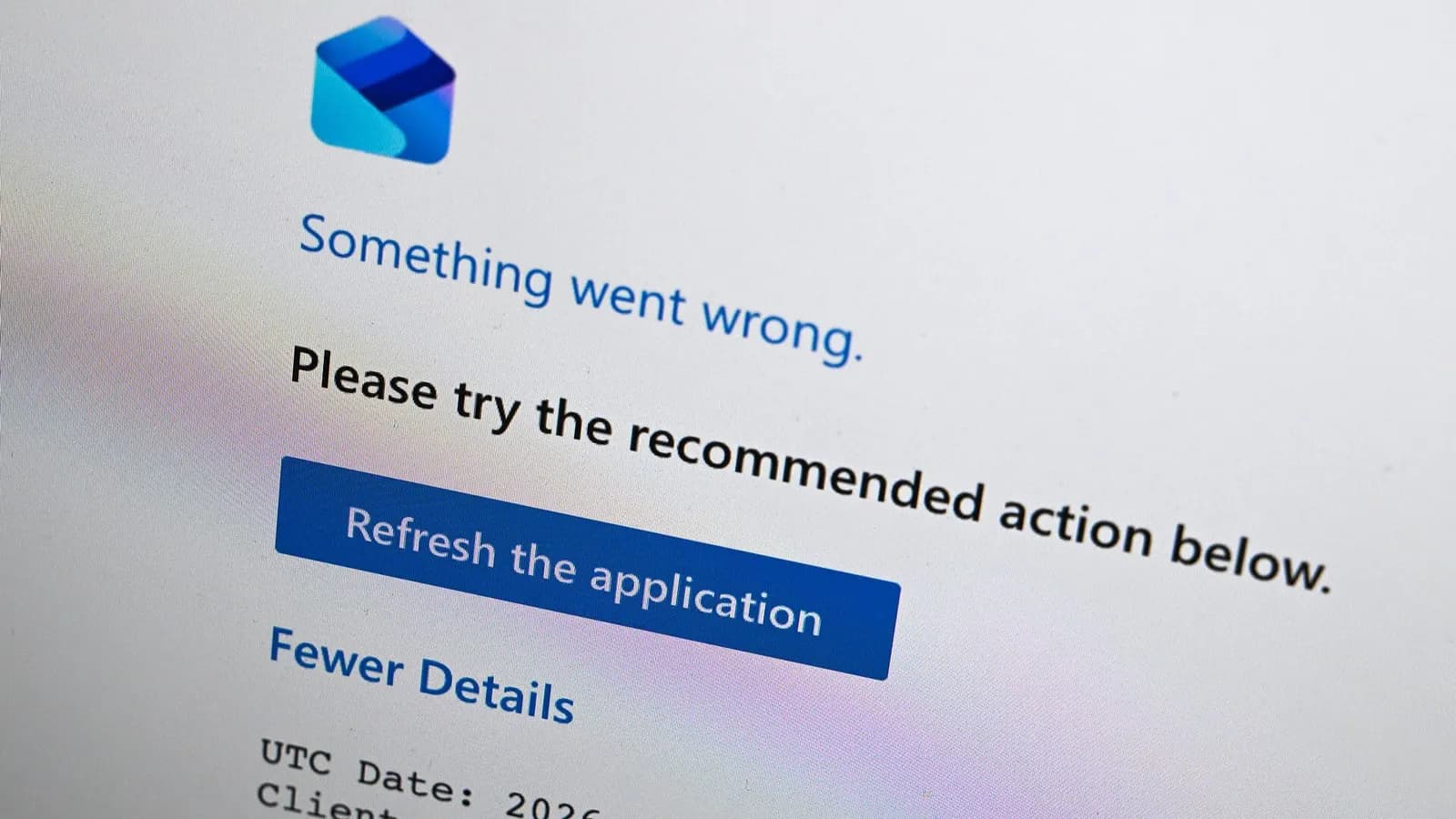
A Microsoft cloud outage left 15 guests with chlorine gas poisoning at a hotel in Germany. According to the available information, the maintenance safety system in the hotel's sauna area was designed to warn staff by email whenever chlorine levels in the room rose.
Because of the outage, the alerts the system sent were never delivered. Chlorine levels climbed and people were harmed. At the center of the incident was a safety warning that depended on an email service that was not working.
How the incident unfolded
Forty emergency responders were reportedly sent to the scene. Local press reports say four people were taken to hospital for treatment, and one of them was kept in for further observation.
The outage behind the incident was a global disruption affecting Microsoft's Outlook and other services between November 12 and 14. During the same outage, some Japanese workers reportedly brought their fax machines back into service to keep working. So the same disruption sent one group dusting off fax machines while it turned into a direct threat to human health elsewhere.
Safety systems should not hang on a single connection
The incident shows how automation connected to the internet or the Internet of Things can become a weak point in safety-critical work. Designers of such systems, the argument goes, should build in a physical or analog backup that keeps working even when everything else is offline. Staff also need to know that the backup exists and how it works.
Another option is to host servers in-house, build your own automation and run everything locally. That approach demands more effort in setting up and programming the system, however, and local infrastructure problems such as power cuts mean it is not entirely risk-free either.
The question of dependence on big tech
The Microsoft outage was not as widespread as the major CrowdStrike-related disruption in 2024, which caused serious service interruptions across many corporate computer systems and was felt around the world. Still, the fact that people were injured this time suggests that far worse consequences could have followed had the problem not been noticed sooner.
The episode also raises the question of how heavily companies now depend on a handful of tech giants such as Microsoft, Google and AWS. Thanks to economies of scale, these firms can offer services more reliably and cheaply than smaller rivals or in-house setups. But when one of them goes down, millions of businesses are affected and economic activity slows. The German hotel case suggests the consequences of that dependence may not be only economic; they can reach human health too.
Add as a preferred source on Google
Comments
No comments yet. Be the first to comment.