Windows 11 to Let Several PCs Run One AI Model Over USB4
Microsoft is bringing RDMA over USB4 to Windows 11. PCs linked by cable will be able to run models too large for a single machine's memory.
 Merhabyte Newsdesk · · 2 min read
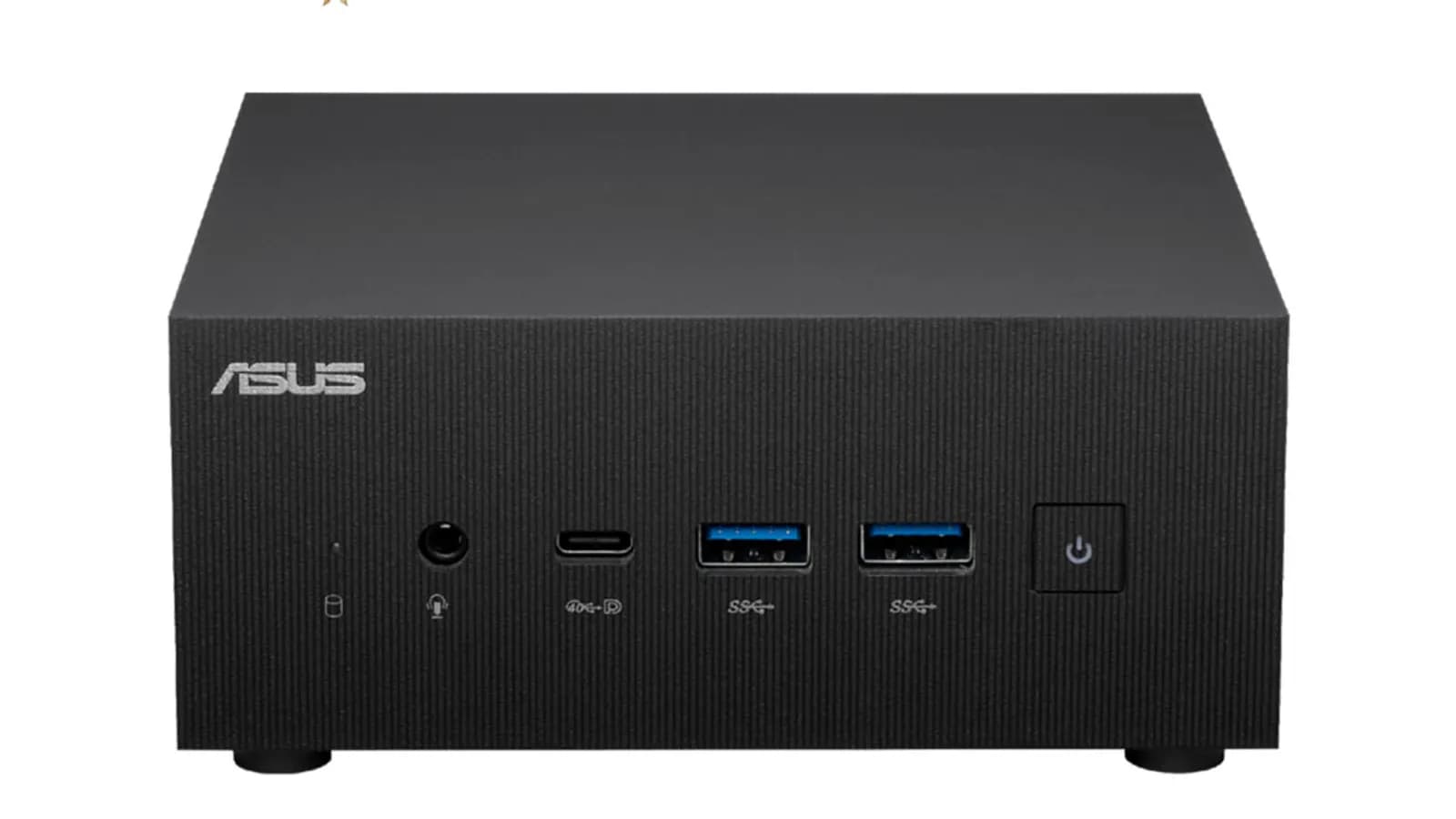
Microsoft has announced that Windows 11 will gain support for RDMA (Remote Direct Memory Access) over USB4, a significant addition for running AI locally. According to the company, multiple computers connected with USB4 cables will be able to run a single large AI model together, even when that model does not fit into the memory of any one PC.
The notable point is that no special infrastructure is required. The technology uses standard USB4 connections, with no dedicated RDMA network adapters, no switches and no third-party drivers. The goal is to let users link a few computers with a cable and run models that would otherwise exceed a single machine's memory, which makes the move interesting for anyone who wants to use AI on their own devices rather than depend on the cloud.
What RDMA does here
RDMA is a data transfer approach that lets one computer access another computer's memory directly. Microsoft is bringing it to Windows 11 through USB4 ports, allowing connected PCs to run an AI model cooperatively.
The core idea is that when one PC's memory is not enough, the model can be spread across several machines. The test results the company shared show the scenario being applied to models with very high parameter counts. And there is no need to buy extra networking hardware or install separate drivers; standard USB4 connections are enough.
Test results Microsoft shared
According to Microsoft's figures, three AMD Ryzen AI Max+ 395 systems, each with 128 GB of memory, run the Qwen3-235B-A22B model at between 18.5 and 21.98 tokens per second using this setup. A token is the unit of text a language model produces, so the figure is one of the main indicators of how quickly a model generates responses.
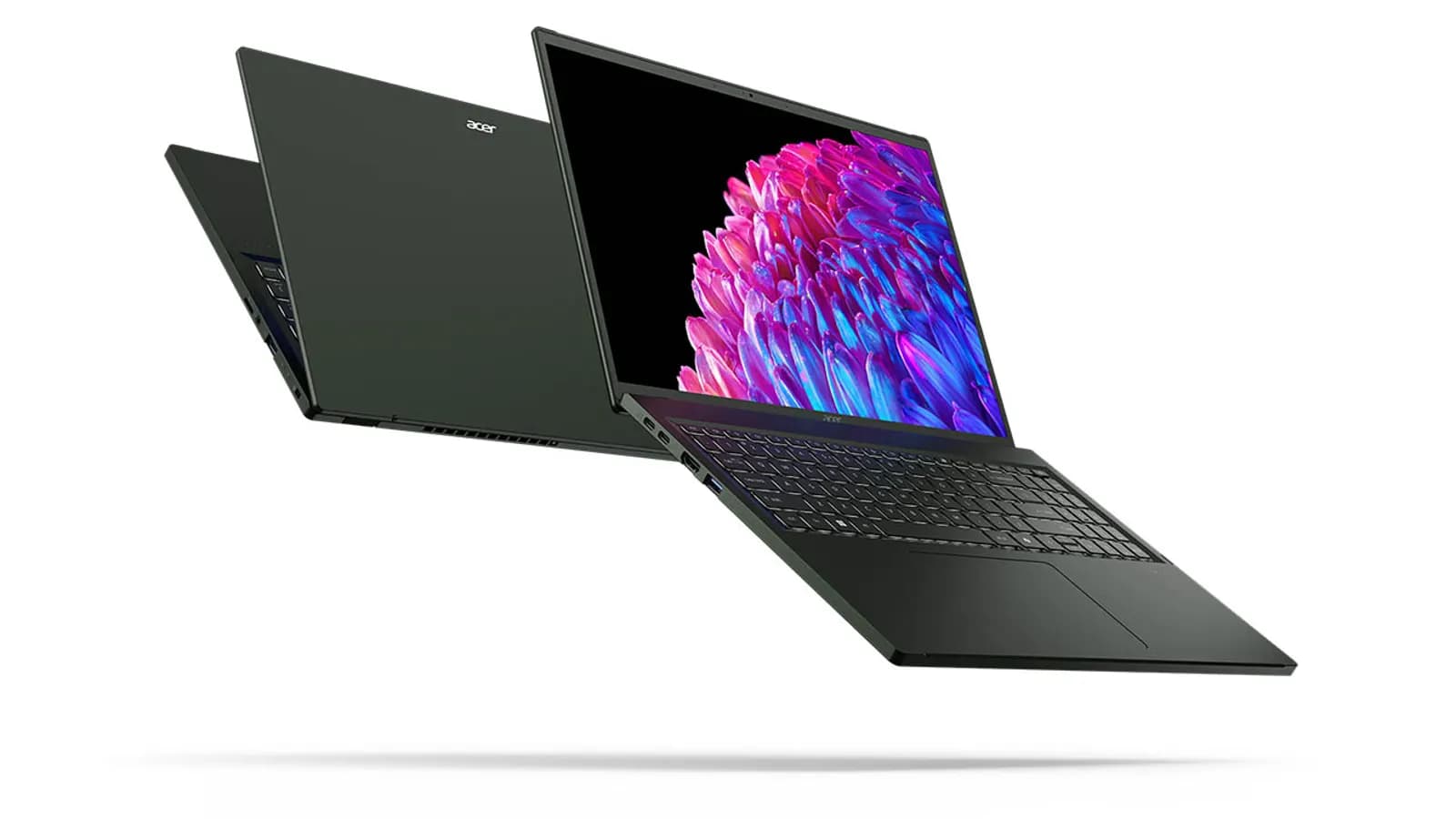
On the Intel side, the tests used the GPT-OSS-120B model. Three Intel Core Ultra Series 3 systems, each with 64 GB of memory, reached 49.4 tokens per second, while a four-system Core Ultra Series 3 configuration reached 54.2 tokens per second. The published data indicates that both AMD and Intel systems can be used with the technology.
Connection requirements and availability
For the best performance, Microsoft recommends USB4 ports running at 40 Gbps or faster, including compatible Thunderbolt 4 and Thunderbolt 5 connections. In other words, the speed tier of the cable and port is highlighted as a factor that directly affects how well the setup performs.
The information available does not say when the feature will reach Windows 11 users or in which release. The timing and scope will become clearer as Microsoft makes further announcements.
Add as a preferred source on Google
Comments
No comments yet. Be the first to comment.