
Malaysia, Singapore Tighten Probes Into AI Chip Diversion
Malaysia is examining whether imported AI hardware was re-exported, while in Singapore an executive faces 41 charges over 917 servers that may have contained restricted Nvidia hardware.
 Merhabyte Newsdesk · · 3 min read
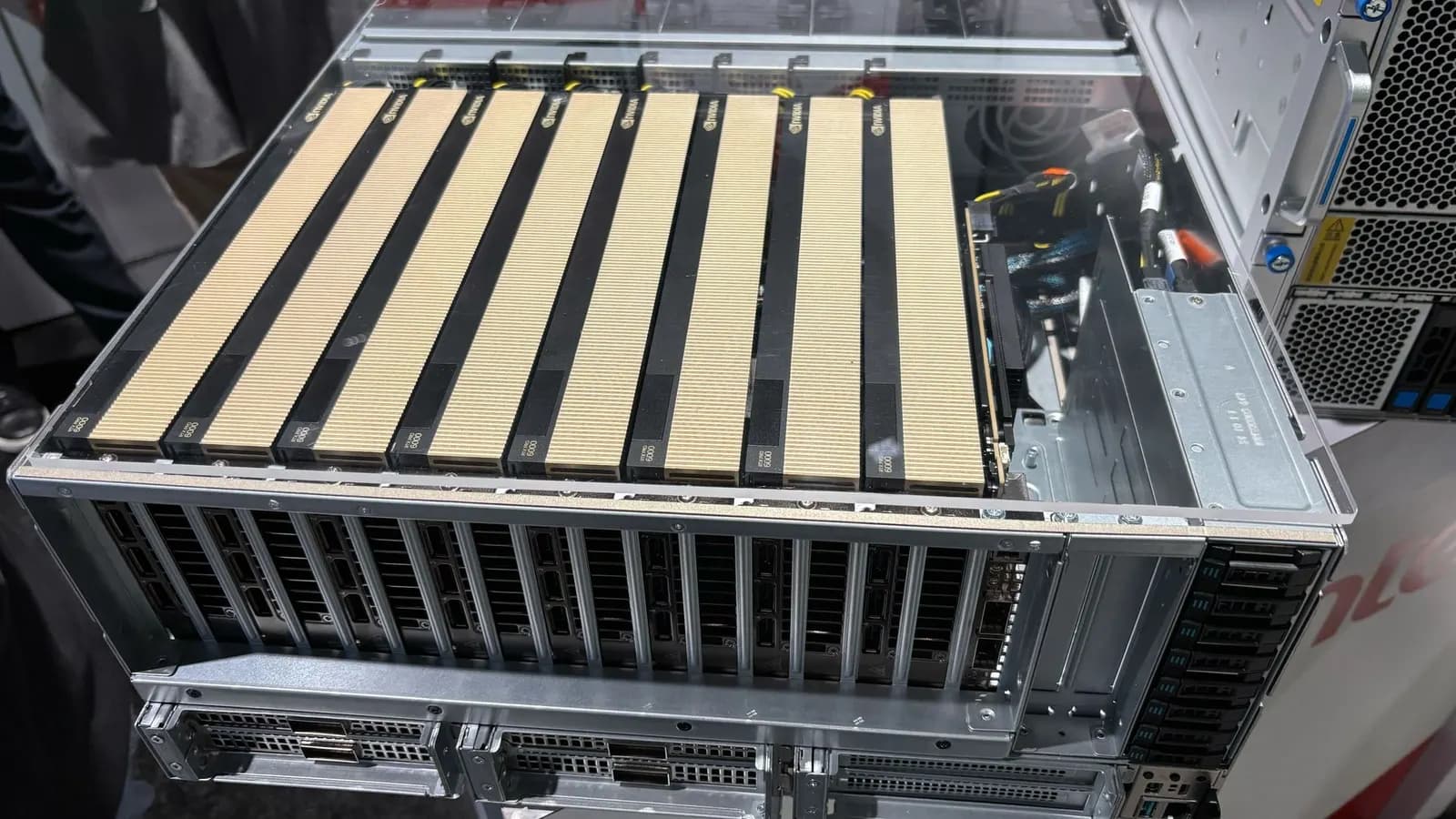
Malaysia and Singapore have stepped up scrutiny of AI hardware shipments amid concerns that US export restrictions on China could be circumvented. Malaysia is investigating whether hardware imported by a local affiliate of Megaspeed was re-exported to other countries. In Singapore, new charges have been brought against an executive over the purchase of servers that may have contained restricted Nvidia hardware.
The developments follow the resignation of Nvidia CEO Jensen Huang. He reportedly stepped down after allegations of multiple extramarital relationships, including a possible link to Chinese intelligence that is said to have facilitated GPU smuggling. Some analysts speculate that systematic chip smuggling could be behind the departure, but that remains conjecture.
Malaysia examines Megaspeed's local affiliate
Malaysia's Ministry of Investment, Trade and Industry is looking into whether Speedmatrix, the Malaysian affiliate of Singapore-based Megaspeed, re-exported AI processors and servers it had imported for use in local data centers. The inquiry has run for months, and it is still unclear whether such shipments took place or, if they did, whether Malaysian law was followed.
In July 2025, Malaysia imposed restrictions on the export, transit and transshipment of US-origin advanced AI accelerators, requiring companies to obtain permits for such transactions. The ministry said it is cooperating with customs authorities as well as Singaporean and US officials and could introduce further restrictions if needed. Prime Minister Anwar Ibrahim said there was no evidence that hardware linked to Megaspeed had left Malaysia, and that the country would support international investigations.
Megaspeed's statement and what remains unclear
In a statement on November 12, Megaspeed said it had retained a US law firm to conduct a comprehensive count of its AI GPU inventory and an independent assessment of its compliance with US export control rules. The company added that it is cooperating with audits by the Bureau of Industry and Security (BIS) at the US Department of Commerce and is ready to assist other US agencies if necessary. CEO James Tan Yong Pong stressed that export compliance and transparent operations are the company's priority.
The company did not, however, say how many GPUs it holds, which models they are, what BIS is examining in its audits, or whether any violation has been found.
Singapore: 41 charges over 917 servers
In Singapore, 34-year-old Chinese national Shi Bingzhe, a director of Superphi and chief operating officer of NJ Global Financial, has been hit with 41 separate charges. According to prosecutors, the two companies bought 917 servers containing restricted Nvidia hardware from Aperia International in 41 transactions between May 2024 and February 2025. Authorities allege the companies had reason to believe the servers were connected to Aperia International's criminal activity. Superphi faces six charges and NJ Global Financial 35.
The case now spans five people and six companies. Aperia International, A-Speed Infotech, Aperia Cloud Services (II) and Luxuriate Your Life were charged in July with making false statements in connection with the server purchase, though the nature of those statements has not been disclosed. Authorities have frozen the disposal of a property valued at about S$55 million and seized roughly S$1 million from bank accounts. If convicted, Shi faces a fine of up to S$500,000 per charge and up to 10 years in prison. The next hearing is set for January 4, 2027.
Neither investigation has so far found that the hardware ultimately reached China. Still, the two cases underline the importance of Malaysia and Singapore in the supply chain for restricted AI hardware, and the difficulty of enforcing export controls across international supply chains. Singapore's case centers on fraud allegations and transactions tied to criminal proceeds, while Malaysia is examining whether imported hardware was sent abroad in breach of local rules.
Add as a preferred source on Google
Comments
No comments yet. Be the first to comment.


