
How Google's Android XR Glasses Handle Camera Privacy
Google's first Android XR glasses, built with Warby Parker and Gentle Monster, pair a recording light with on-device face masking and automatic deletion of Gemini images.
 Merhabyte Newsdesk · · 3 min read
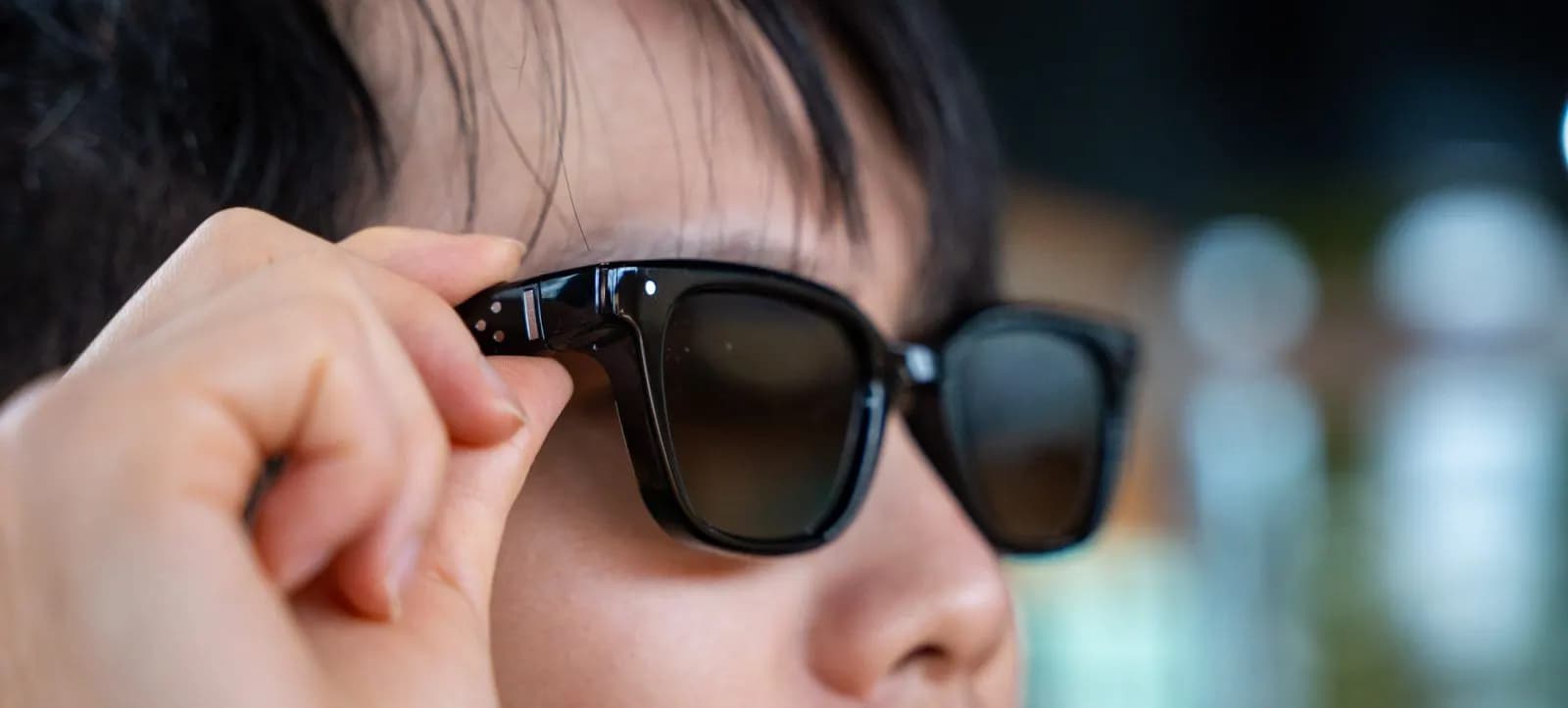
Google's first Android XR glasses, built with Warby Parker and Gentle Monster and branded "Intelligent Eyewear", face a difficult hurdle: the "creepy glasses" stigma that has clung to smart eyewear. That reputation comes from earlier products that did not take privacy seriously enough.
To shake it, Google has put a set of technical and policy safeguards around the camera, the microphones and its Gemini AI assistant. The measures cover both the person wearing the glasses and the people standing in front of them.
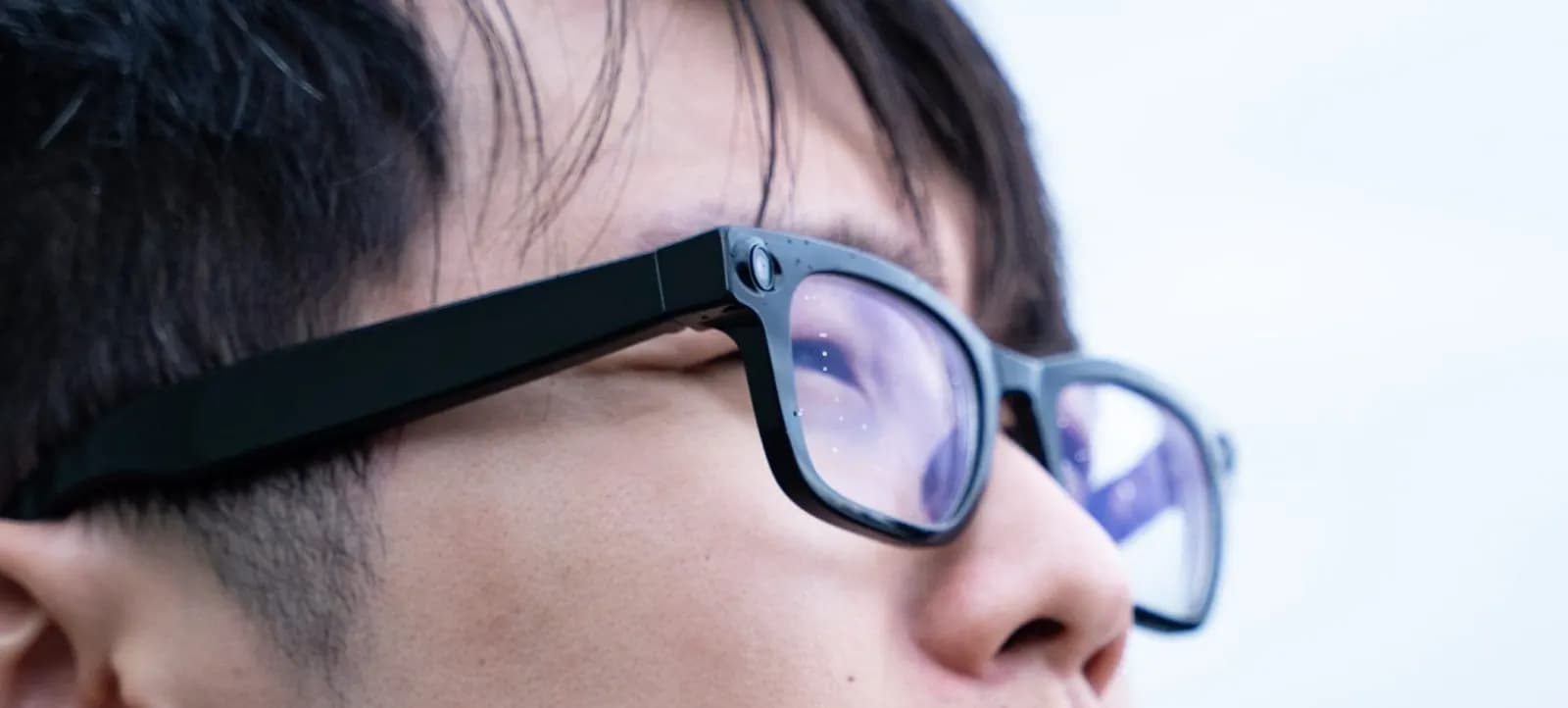
The baggage smart glasses carry
Meta's smart glasses earned a poor reputation after it emerged that their visible privacy LED could be disabled and that some users were wearing them for inappropriate purposes. The LED problem was only fixed recently, and criticism of how recordings are handled further dented trust.
Google is no innocent bystander here. The original Google Glass was branded with the "Glasshole" label, and the company appears to have learned from that experience. The camera is one of the glasses' most useful components, both for taking photos and for giving the AI assistant context about the world, but the problem of social acceptance overshadows that benefit.
A recording light and deletion of Gemini images
The Android XR glasses have an outward-facing light that works as a recording indicator. It turns on whenever content the user can view later is captured, meaning when a photo is taken or a video is recorded. It stays off when Gemini uses the camera only for context, because those images are deleted immediately after use. They do not appear in Gemini chat history, and this is not a user setting. Google says the images are not used for AI training or advertising, and users can also control which apps are allowed to use the camera.
There is also a safeguard against tampering with the light. The glasses regularly test that it works through an automatic system check; the white and blue blinking visible during charging is part of that check. If the light is found not to be working, the camera is disabled.
Protecting the faces and voices of bystanders
One of the most notable details concerns the privacy of people nearby. When the glasses send a photo to Gemini, faces are automatically masked on the phone before the image is sent. This happens locally, as part of the glasses app. On the audio side, voices other than the wearer's are filtered out of the data sent to Gemini. The live translation feature works within a 60-degree cone in front of the user and screens out other sounds in the environment.
Google has also tuned when Gemini uses the camera. For a question like "what is this painting?", it is clear the user wants the scene examined, so the camera switches on. For an ambiguous phrase such as "how much money is on the table?", where it is not obvious a camera is expected, Gemini asks a follow-up question first.
A 90-second cap and an overall verdict
Google limits video recording on Intelligent Eyewear to 90-second sessions. The company says most recordings fall within that length anyway. For comparison, Meta's glasses allow recording of up to five minutes. Google adds that it is working on other measures across its ecosystem to discourage misuse of the camera.
In the writer's assessment, none of these measures is groundbreaking on its own, which is exactly as it should be. But because competitors set the bar so low at the start, a clearly explained recording light, on-device face masking and deletion of Gemini images paint a reassuring picture. A line in Google's privacy write-up sums up the company's approach: if technology can see your surroundings, it has a responsibility to the people in them.
Add as a preferred source on Google
Comments
No comments yet. Be the first to comment.


