
Google Pixel Tag First Look: A New Bar for Find Hub Trackers
After a week of testing, Google's Pixel Tag stands out among Find Hub-based Android trackers thanks to features like ringing your phone and adjustable volume.
 Merhabyte Newsdesk · · 3 min read
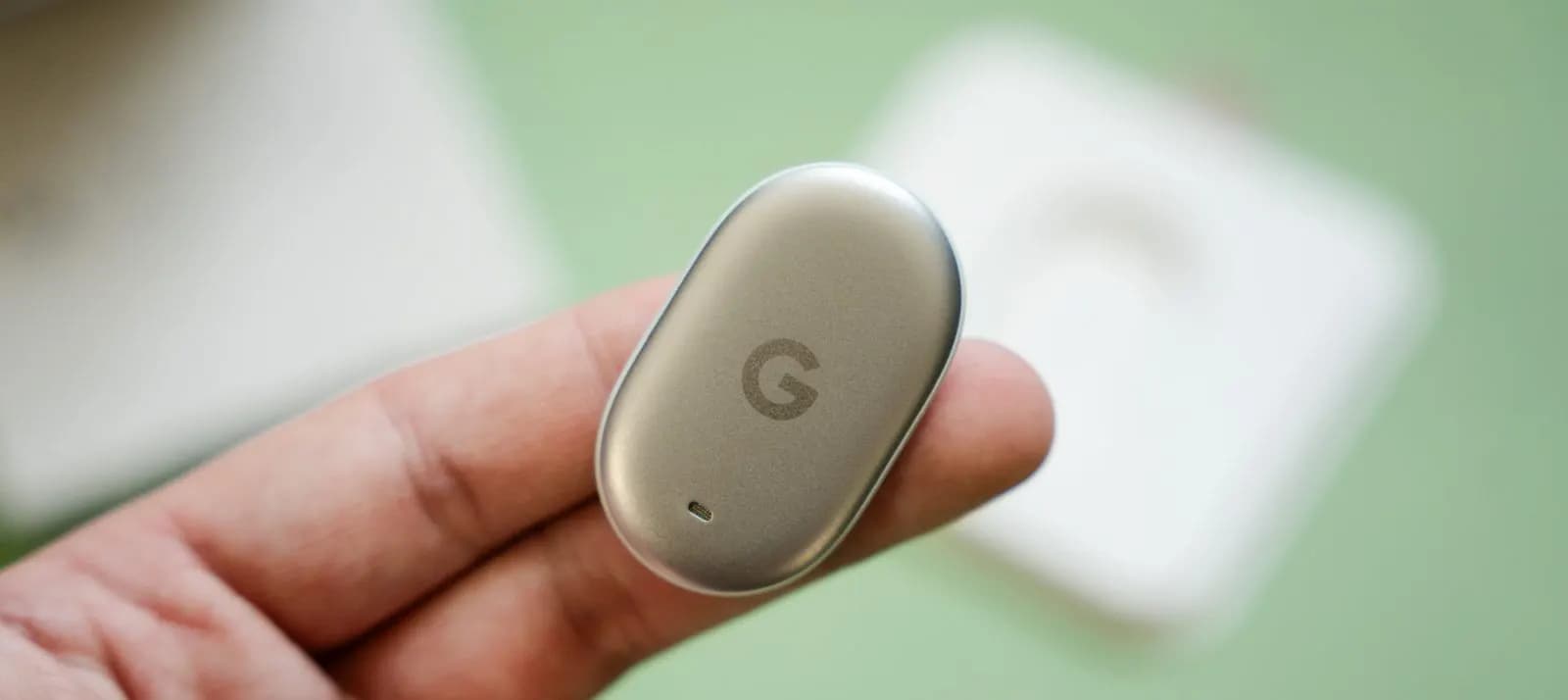
Google's Find Hub network got off to a rocky start, hampered by performance problems and an unclear hardware direction. More than two years on, Google is trying to fill that gap with its own tracker, the Pixel Tag. Based on a week of hands-on use, the device looks like the best answer so far to the question of what an AirTag-style product for Android should be.
The market already has capable Find Hub trackers. Pebblebee and Chipolo have long offered dual-network trackers that work with both Android and iOS, while Motorola's Moto Tag line, with two Android-only models, delivers better performance and a more focused feature set. Even with Moto Tag, though, features such as ringing your phone depend on a separate app, which makes the experience a little clunky. The reviewer says the Pixel Tag pulls these pieces together. They also stress that a week is not enough to fully judge any tracker, since its real value emerges in everyday situations.
What sets the Pixel Tag apart
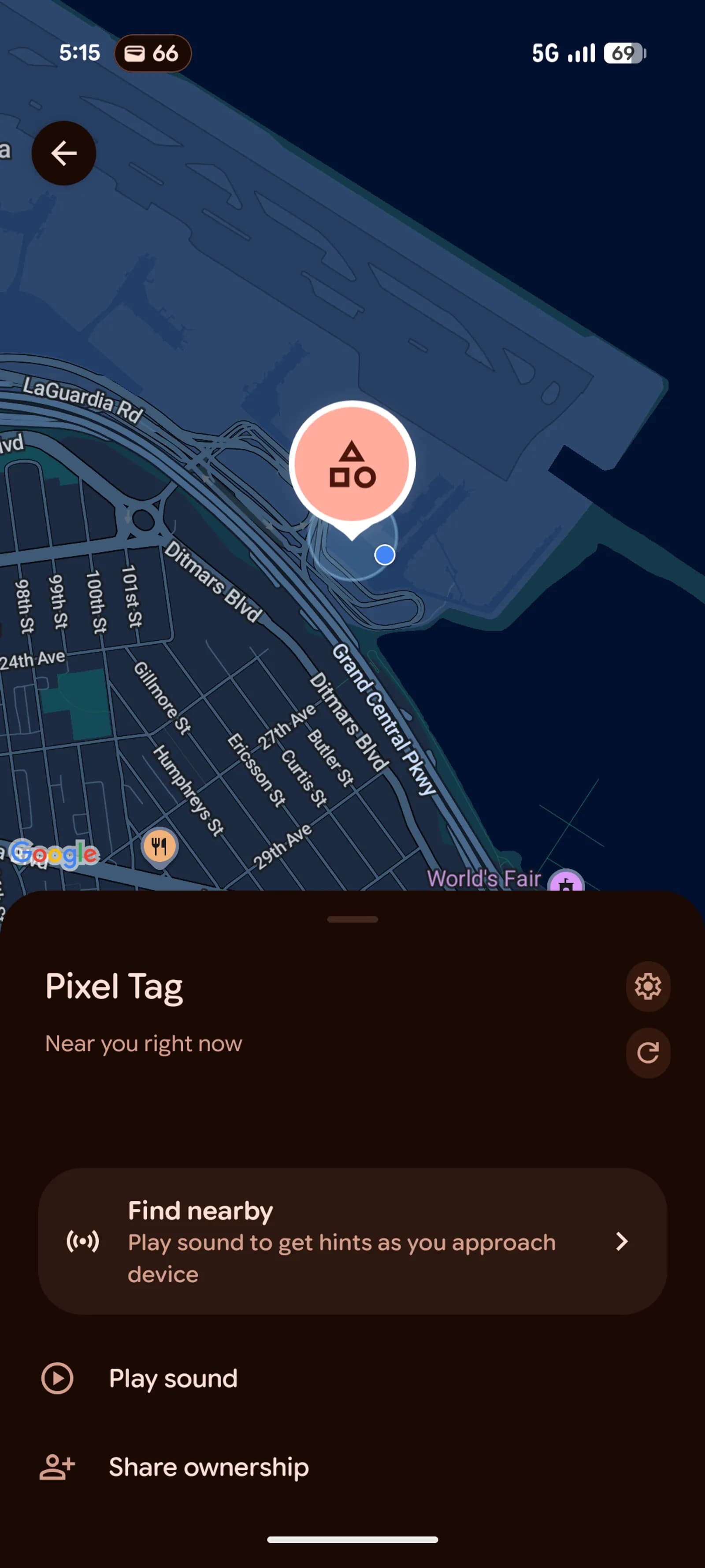
Like other Find Hub trackers, the Pixel Tag pairs with an Android phone, and according to the reviewer the process is noticeably faster than with some rivals they have tried. The difference shows up on the final setup screen, which lets you adjust the ringtone volume and enable a "Ring this phone" option.
Double-tapping the tracker's button rings the connected phone when it is within range, and this works reliably. Left-behind alerts, which trigger when your phone moves away from the tracker, can also be set up, though that feature now exists on other Find Hub trackers too. You can define exclusion zones such as home or work.
The most important detail, in the reviewer's view, is being able to set the volume directly on the page where you ring the tracker, which puts the Pixel Tag ahead of other Android trackers. In a crowded but quiet setting where you know the tracker is nearby, you can quickly drop the volume to a low level. The loudest setting is plenty loud, while the lowest is quiet enough not to bother anyone.
Hardware and battery
The device is very thin and light. Its battery cover opens a bit more easily than the Moto Tag's. Inside is a standard CR2032 cell, and Google says it will last "more than a year." The reviewer would have preferred a rechargeable battery with USB-C or wireless charging, but considers the stated lifespan adequate. Whether Google's claim holds up will only become clear over time.
The biggest hardware complaint is that Google did not follow Apple's lead and include a built-in attachment point. To hang the tracker on a bag or keychain, you need to buy a separate accessory. Google partner Bellroy makes a simple silicone case with a cord, sold in a two-pack for $25. It does the job, but ideally it would not be necessary. There is also no visual marker showing where the button is, which is a little odd, though the packaging and app give enough guidance.
UWB and the state of the Find Hub network
Ultra-wideband (UWB) support makes close-range finding easier. In tests with a Pixel 11 Pro XL, it worked reasonably reliably. However, directional indicators drop out beyond roughly 10 to 12 feet. That is enough for a backpack but could be a problem for a tracker attached to a set of keys.
The Find Hub network's overall performance appears acceptable, though it is hard to test artificially over just a few days. The network has improved considerably over the past two years, but the experience is still sometimes good and sometimes bad. Google clearly worked to reverse its decision to effectively disable the network in less populated areas for privacy reasons, but the reviewer says the damage was done and is unsure the network can fully recover from that mistake.
A long-term review will follow as travel season picks up again. First impressions, though, are positive. The Pixel Tag is reported to go on sale on November 11.
Add as a preferred source on Google
Comments
No comments yet. Be the first to comment.


