
Georgia residents file RICO suit over OpenAI data center
Effingham County residents accuse county officials and OpenAI of conspiring to push through the $20-30 billion "Project Camellia" data center, citing secret negotiations and misleading statements.
 Merhabyte Newsdesk · · 3 min read
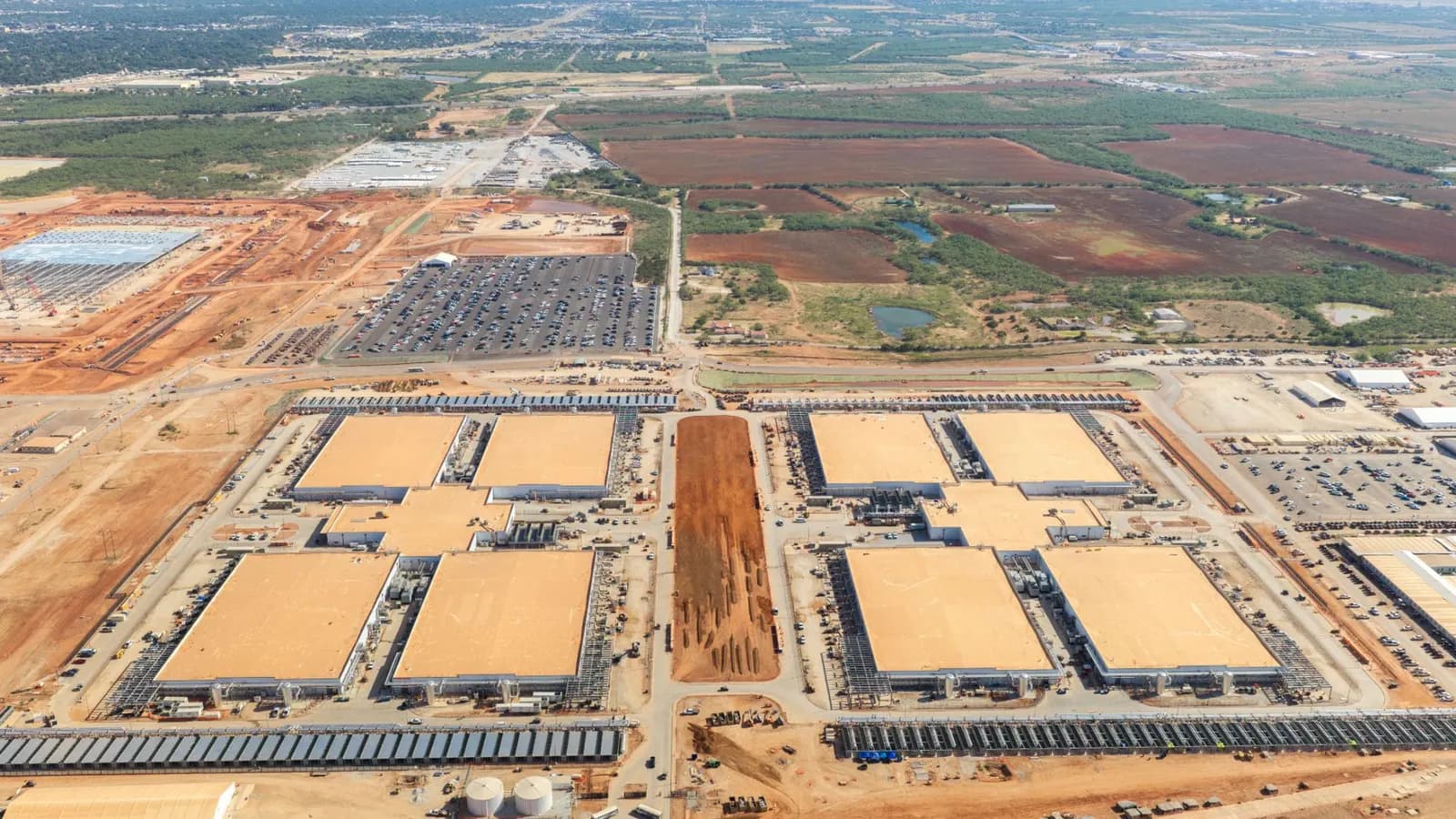
Residents of Effingham County, Georgia, have filed a RICO lawsuit against county commissioners, local officials and OpenAI and its affiliates. The plaintiffs allege that the defendants conspired to secure approval of Project Camellia, OpenAI's planned data center in the county.
The plaintiffs, Dr. Michelle Finch-Mincey, Lehman Mincey Jr. and Raymond Carver, are seeking damages, arguing that the project has hurt property values. They point out that offers to buy nearby homes have reportedly dropped or been withdrawn since the data center was announced.
Who is being sued, and why
The suit names every member of the county commission: Chairman Damon Rahn, Forrest Floyd, Roger Burdette, Jamie DeLoach, Elizabeth Helmly and Phil Kieffer. It also names County Manager Tim Callanan, Brandt Herndon, CEO of the county's Industrial Development Authority (IDA), and the IDA itself. Alongside OpenAI, the defendants include Octans GA LLC, which operates the data center on OpenAI's behalf, and Savannah Industrial Development LLC, which was involved in the sale of IDA property to Octans and OpenAI.
According to the complaint, the defendants used nondisclosure agreements and misleading public statements to commit fraud and concealment, with the aim of keeping residents in the dark about the nature of the project for as long as possible. The plaintiffs also allege a civil conspiracy to advance Project Camellia through secret, closed-door negotiations, along with irregular land transactions, zoning violations and organized criminal activity at the civil level.
The scale of Project Camellia
Project Camellia is one of the largest data center projects OpenAI plans to build, with an expected cost of $20 to $30 billion. The facility is planned to be built in five phases and to reach 3.2 gigawatts of computing capacity.
OpenAI has committed to paying for all required infrastructure upgrades, which it says means public service costs for the community will not be affected. The company has also said a closed-loop water system will keep water use to a minimum. Some residents still oppose the project, claiming the county sought to lock in land, tax incentives and zoning approvals without telling the public until key decisions were final and contracts signed.
RICO and the secrecy debate around data centers
The Racketeer Influenced and Corrupt Organizations Act was originally designed to combat organized crime, particularly mob bosses who had underlings do the dirty work. Georgia's state-level RICO law is more flexible than the federal version and has repeatedly been used in cases unrelated to the mob. Examples include the 2023 case against Donald Trump and 18 others over efforts to overturn the state's 2020 presidential election result, and the trial of rapper Young Thug, who was accused of running YSL Records as a criminal gang. Critics say the law is overly broad and has been used to pressure defendants in more ordinary cases.
The use of nondisclosure agreements is not a new controversy either. Complaints have surfaced before that data center developers and local governments rely on such agreements while negotiating the terms of prospective projects. Developers say they do it to avoid violating insider trading rules, though some note that West Feliciana Parish in Louisiana was able to complete a data center deal without one. An AWS data center in Gilroy, California, is also under scrutiny: after a five-year permitting process based on zoning rules set 45 years ago, residents reportedly learned the nature of the project only once construction began.
Add as a preferred source on Google
Comments
No comments yet. Be the first to comment.


