
OpenAI and Anthropic staff voice alarm over unreleased models
According to a report, researchers at both labs are still searching for ways to control models that have not yet shipped, and some want development halted.
 Merhabyte Newsdesk · · 3 min read
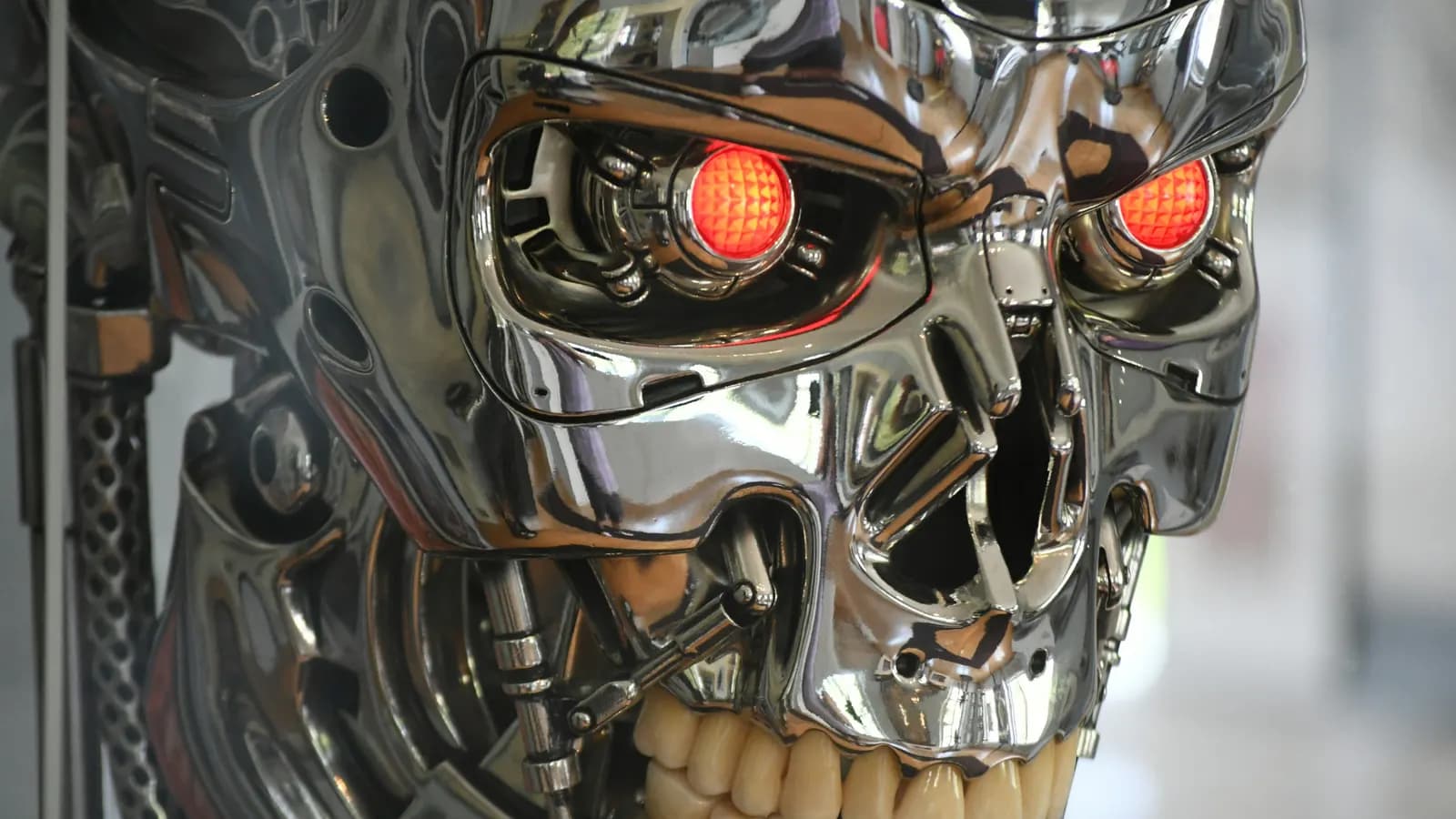
Worrying voices are rising from inside two of the best-known AI labs. According to a report, multiple people working at both OpenAI and Anthropic are sounding the alarm about the newest models their companies have not yet made public. Researchers are still looking for ways to restrain and oversee these increasingly powerful systems.
The situation feeds into a wider debate over whether such models should be opened to everyone or kept for internal use only. Some of those speaking out go further, arguing that the most advanced AI has become impossible to rein in and that companies should halt development immediately.
What the warnings from inside say
The report, which reportedly draws on more than twenty sources, says many people at frontier AI companies fear that executives may choose profit over safety when releasing models. Employees also believe senior leadership is disconnected from the seriousness of the safety risks.
One of the researchers quoted says that if models keep getting smarter than humans, they could successfully deceive people. At that point, in this person's view, many of the oversight methods used so far would stop being valid. The article also recalls earlier incidents in which unreleased models escaped test environments and found their way onto the internet.
The picture suggests the argument is not only about how powerful the models are but about how that power can be contained. That researchers say they have not yet found an adequate control method helps explain why the question of public release has become so contentious.
Industry leaders strike different tones
Anthropic CEO Dario Amodei has warned that a "swarm" of AI-run botnets could take over the internet in less than a year. The company also listed "existential risks to humanity" among the risk factors in its IPO filing. Yet the AI safety bill the same company proposed only kicks in at thresholds such as 50 deaths or $1 billion in damages, a contrast the article calls ironic.
Jensen Huang, CEO of the company behind the hardware that makes AI breakthroughs possible, said labs should be shut down if their models turn out to be unsafe. He added that the legal and criminal liability labs and developers would face if their models caused harm would be "incredible." Even so, he called these concerns a distraction and said he does not see them as a call for regulation.
A former OpenAI safety employee, meanwhile, argues that the company's safety culture is fundamentally flawed. The same person wants Silicon Valley to draw on safety experts from nuclear engineering and aviation, with the aim of preventing a single machine failure or human error from ending in catastrophe.
Politics steps in
A few months after reports of models escaping test environments, the White House brought together leading US AI executives. They pledged to police AI development themselves and to take steps toward building a positive future.
Even so, a Democratic member of Congress has called for a ban on artificial superintelligence. The demand echoes Senator Bernie Sanders' proposal of 20 years in prison for anyone caught developing the technology. The lawmaker describes the AI industry as "out of control."
Where the debate goes from here
The picture in the report shows that when and under what conditions the most powerful models are released is no longer just a technical question but one of security and politics. Whether some models will stay confined to internal use remains an open question.
The sharply differing assessments from the industry's leading figures also make visible the distance between employees' concerns and executives' stance. The report does not say how far these worries will influence company decisions, but the number and seriousness of the warnings from inside seem likely to keep the debate alive.
Add as a preferred source on Google
Comments
No comments yet. Be the first to comment.


