
FAA Halts Router Installs After Nationwide Ground Stop
The Federal Aviation Administration has suspended new installations of a Juniper Networks router tied to the Nov. 13 nationwide ground stop and disabled more than 60 units already deployed.
 Merhabyte Newsdesk · · 2 min read
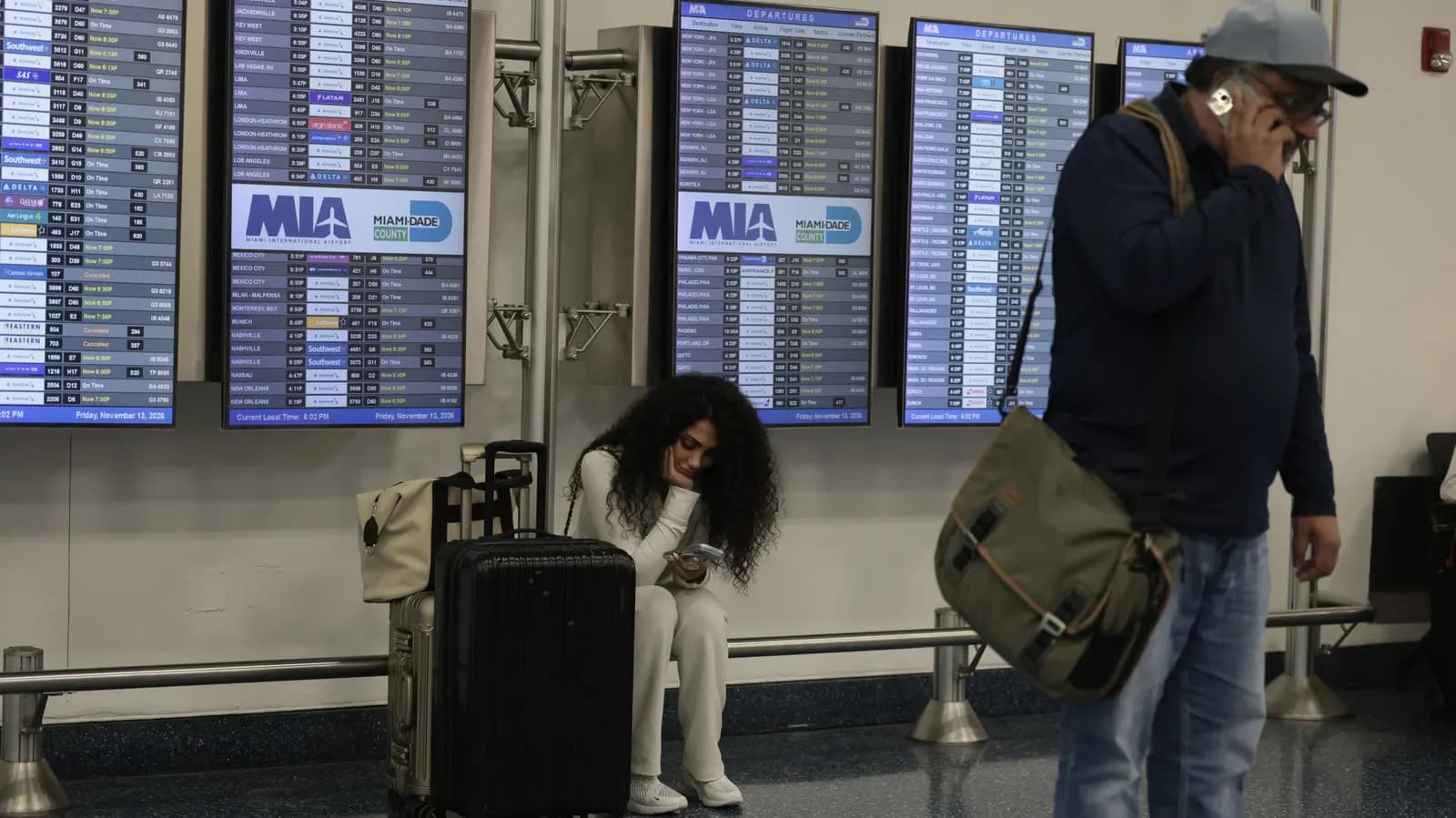
The US Federal Aviation Administration (FAA) has suspended the installation of a router model made by Juniper Networks, a unit of Hewlett-Packard Enterprise. The agency believes the device played a major role in the problem that led to a nationwide halt of all flights on Nov. 13. Besides stopping new installations, the FAA also disabled more than 60 routers that had already been deployed in the field.
The router was being rolled out as part of an effort to modernize air traffic control infrastructure. Transportation Secretary Sean Duffy initially blamed the outage on outdated equipment, but a day later said the problem was linked to the modernization work.
The fault traced to a router in Arkansas
According to Duffy, a contractor for the technology company L3Harris was working to move telecommunications lines from old copper cabling to fiber. As part of that work, a new router was being installed at an FAA facility in El Dorado, Arkansas.
That router began flooding other routers in the air traffic control system with data. Duffy said another router in Amarillo, Texas, also failed. The FAA responded by disabling both devices. In aviation, routers carry data such as radar imagery, flight plans and weather information.
A year of testing, but the trigger is unknown
The FAA said the router had been tested for a year before installations began. Duffy told a press conference that the device had worked without problems 68 times, but that this one router began broadcasting to the network and overloaded it. Even so, FAA Administrator Bryan Bedford said what triggered the failure is still unknown.
Democratic members of the Senate Commerce, Science and Transportation Committee have asked the agency to investigate the cause of the failure. They also asked the FAA to report to Congress on the steps it will take to prevent a similar incident.
No cyberattack, but a funding push continues
Duffy said national security agencies told him the problem was not caused by a cyberattack. Still, he asked that the FBI be included in the team set up to examine the Arkansas router.
The secretary also renewed his call for Congress to approve an additional $50 billion to modernize the country's air traffic control system. Duffy argued that the longer the country stays on an old, aging network, the less safe the system becomes, saying that staying on the legacy system raises risk while modernization lowers it.
Add as a preferred source on Google
Comments
No comments yet. Be the first to comment.


