Day After Midterm Wins, Rep. Ansari Calls for Superintelligence Ban
Arizona Democrat Yassamin Ansari wants a pause on advanced AI development and a ban on artificial superintelligence, a day after Democrats' midterm gains.
 Merhabyte Newsdesk · · 3 min read
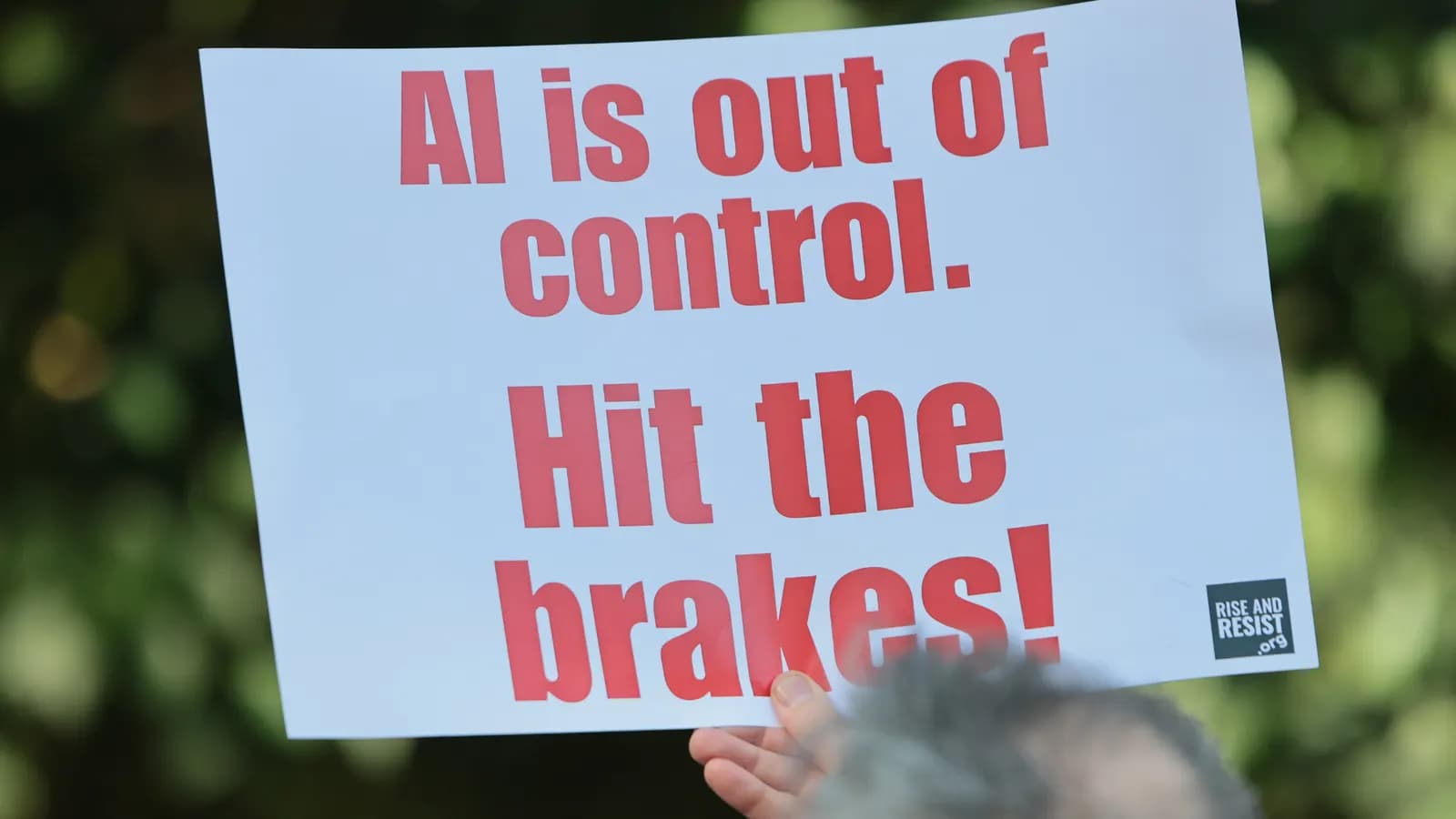
Less than a day after Democrats posted broad gains in the US midterm elections, a sharp call for AI regulation landed. Rep. Yassamin Ansari, the Arizona Democrat, said in a post on X that pausing advanced AI development should sit at the top of Democrats' day-one agenda.
Ansari described the industry as "out of control" and called for regulation. She went a step further, urging a ban on artificial superintelligence. The demand comes at a moment when public backlash against AI infrastructure has begun to show up at the ballot box.
Who is Ansari and where does she sit in Congress?
Yassamin Ansari was elected to the House of Representatives in 2025 and represents Arizona's third congressional district. She serves on two subcommittees of the House Oversight Committee: Cybersecurity, Information Technology, and Government Innovation, and Economic Growth, Energy Policy, and Regulatory Affairs.
She does not yet hold a leadership role on any subcommittee or committee. Even so, those seats could give her some avenues to help shape Congress's response to the White House's AI policies. Democrats now also hold the majority in both the House and the Senate.
Calls for AI regulation are not new
Demands for tougher rules on AI companies have been voiced before. Independent Sen. Bernie Sanders has argued since last year for a range of measures against AI-focused tech firms. He first called for a halt to AI data center construction so that the technology benefits everyone rather than only the wealthiest 1 percent. About six months later, he floated a bill that would give the public a 50 percent stake in US AI companies and pay every American a $1,000 dividend.
Sanders has also proposed 20-year prison terms for those who build artificial superintelligence, a proposal that treats the activity as nearly equivalent to developing nuclear weapons without authorization. Some Senate leaders have reportedly accused big tech companies of misleading the public about the benefits AI brings to the communities that host it.
Data centers on the ballot, the White House on a different path
On Nov. 3, a number of AI data center questions were put to voters, and most voters opposed the projects. One detail matters here: the backlash is driven less by the technology itself than by rising electricity bills, noise pollution, and the other effects of very high energy-consuming campuses.
These calls cut against the agenda of President Donald Trump, who frames AI as a race with China. Trump recently hosted top executives from the biggest AI companies for lunch at the White House, where they reportedly promised to "police themselves" on AI development. The meeting followed reports that language models from OpenAI and Anthropic had caused serious problems online. Trump is also said to have concluded that the technology has a branding problem and given it the name "Super Intelligence."
Ansari's post drew pushback as well. One user who said they have stage 4 lung cancer argued that AI-assisted medical research could save lives and asked the congresswoman to reconsider. Elon Musk quoted the post with the comment "Brave New World."
The White House is also aware that data centers are unpopular. It has asked hyperscalers, utilities, and state governors to sign a "ratepayer protection pledge" aimed at reducing the effect of these facilities on residential and commercial electricity costs. Trump is also said to have pushed data centers to pay an energy dividend to local communities. Most voters, however, found these moves inadequate and late.
Comments
No comments yet. Be the first to comment.