Chinese optical module ban could leave AI chips sitting idle
The FCC is weighing an import ban on Chinese-made optical transceivers, and Microsoft and trade group ITI are reportedly lobbying against it. Their argument: a ban could bring data center buildouts to a halt.
 Merhabyte Newsdesk · · 2 min read
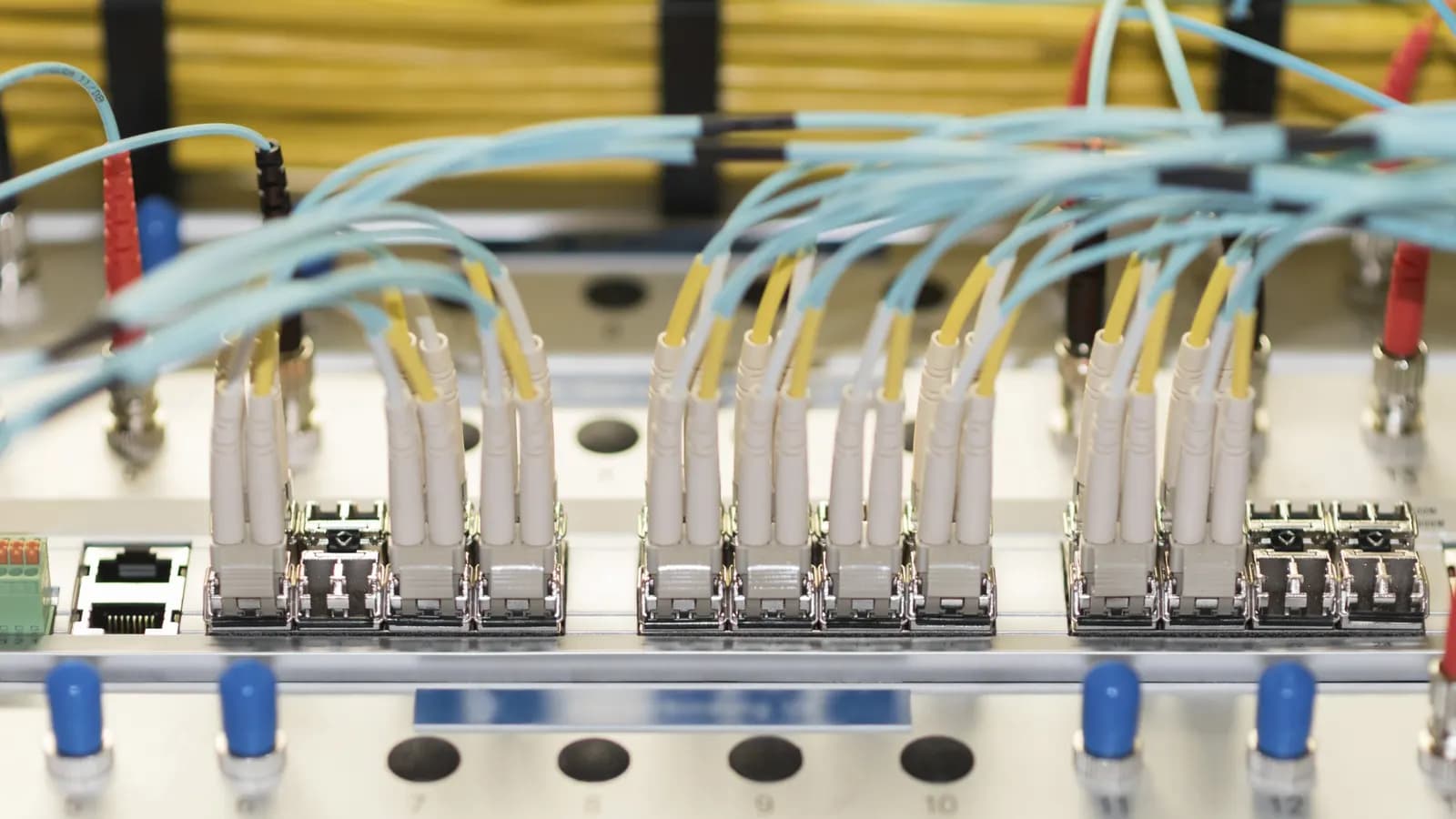
A regulatory debate with direct consequences for the infrastructure behind AI data centers is under way in the United States. The Federal Communications Commission (FCC) is reportedly considering a ban on imports of optical transceiver modules made by Chinese manufacturers. According to reports, Microsoft has met with the White House Office of Science and Technology Policy and the National Security Council to argue against the move.
Microsoft is said to have built 35 data centers across the US and to have 134 more planned. The company is reportedly lobbying against the ban together with the Information Technology Industry Council (ITI). John Miller of ITI argued that the decision could bring data center construction to a standstill.
Why optical transceivers matter so much
Optical transceivers are small modules that plug into networking hardware. They convert electrical signals into light so that data can travel over fiber optic cables as pulses of light. In data centers, this approach is increasingly used to link AI GPUs with server racks, because it is faster than copper connections, offers lower latency, consumes less power and generates less heat.
According to Miller, without these modules AI chips cannot be connected to one another and would sit unused until the necessary transceivers arrive. The objection, in other words, is that the chips would be on hand but idle because they could not be networked.
Two-thirds of the market is Chinese; the US has just two makers
Chinese companies hold 66 percent of the global market. Cutting off that source for US data centers would therefore remove more than half of the available supply. The industry is already contending with various shortages, and a ban is said to risk making those problems worse.
The FCC's consideration of a ban is driven by security concerns. Worries have been raised that some of these transceivers could be compromised by Beijing and used to steal data, plant malware or remotely disrupt US data centers. A similar approach was taken earlier when Huawei was shut out of American telecommunications networks. But in the Huawei case the market had many established rivals, whereas only two US companies, Coherent and Lumentum, make the optical transceivers data centers need. Both can produce modules that compete with Chinese products, but they lack the scale to fill the gap that would open if a ban took effect today.
A possible compromise: only 3.2 Tbps modules
A compromise raised by the Trump administration would limit the ban to Chinese-made transceivers capable of speeds of 3.2 terabits per second. That technology already exists, but production is not expected to expand until 2028, with deployments projected to begin in 2029.
Such a timeline could give US manufacturers time to build up capacity. Still, the proposal is only under consideration, and no final decision has been made. Until the scope and timing of any ban become clear, Microsoft, ITI and other parties are expected to keep up their efforts.
Add as a preferred source on Google
Comments
No comments yet. Be the first to comment.