
SpaceX's $43B Nvidia Financing Worries Lenders Over Orbit Plans
The Nvidia GPUs pledged as collateral could end up in orbit, making it harder, or even impossible, for creditors to seize the chips if SpaceX defaults.
 Merhabyte Newsdesk · · 2 min read
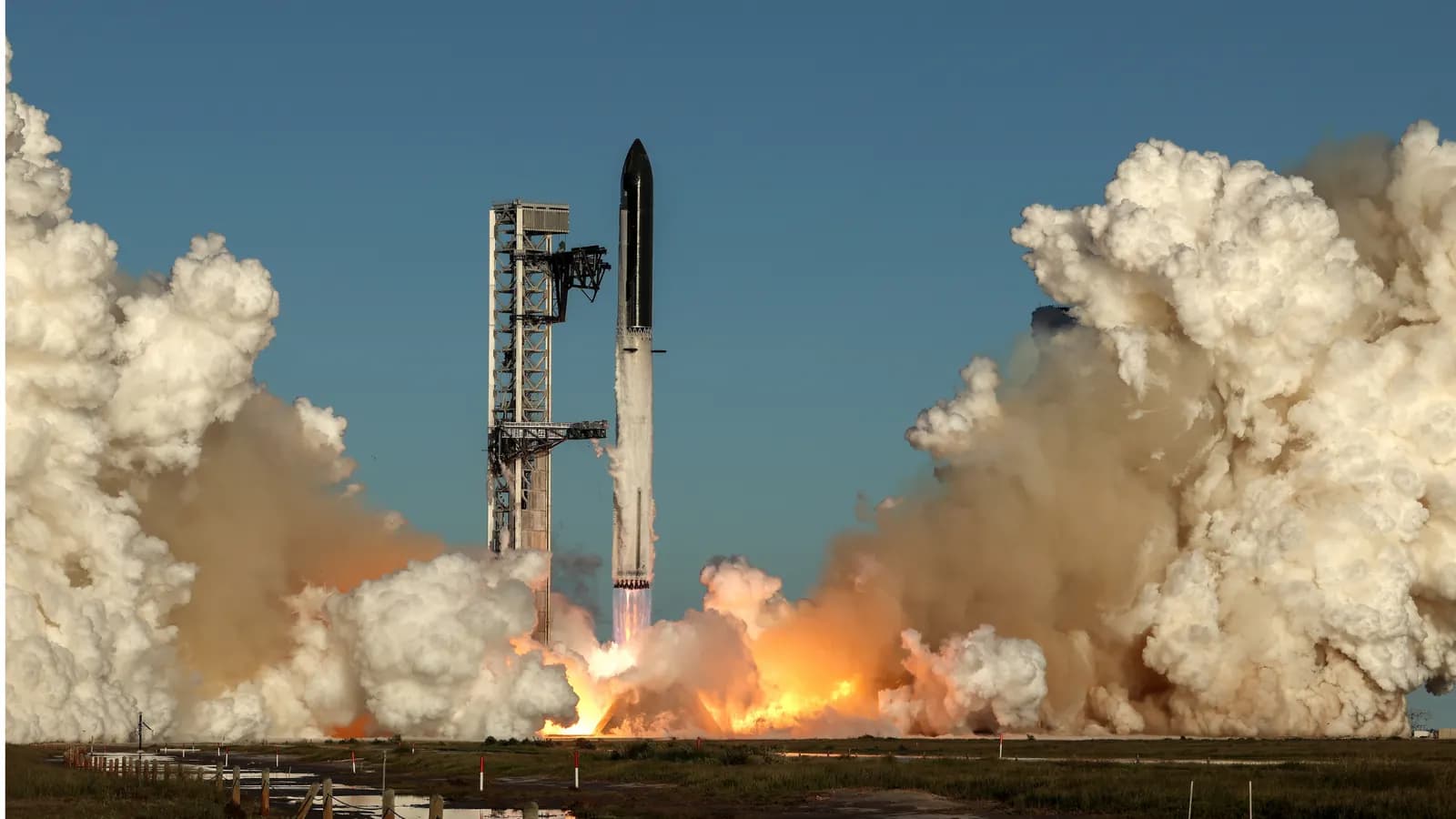
Elon Musk is using a $43 billion financing arrangement to acquire the Nvidia chips that SpaceX needs for its AI data center projects. The semiconductors also serve as collateral for the debt. Some lenders, however, are concerned that SpaceX could end up using the chips in the orbital data center it plans to build. If the company then failed to repay the debt, recovering the chips could be difficult, or even impossible.
SpaceX has said it will deploy the collateralized chips only on Earth. What remains unclear is whether that commitment was written into the signed debt documents as a binding clause. That uncertainty is at the heart of the creditors' unease.
Data centers on Earth and in space
SpaceX is trying to build massive data centers both on Earth and in space. Musk previously unveiled the company's first-generation AI1 satellite, which has a 120-kilowatt power capacity and a span larger than a Boeing 747. The company also plans to build a $24 billion natural-gas-powered AI supercomputer at Starbase in Texas. These projects come on top of the Colossus 1 and Colossus 2 facilities near the Tennessee-Mississippi border.
Despite being one of the world's richest people, Musk is turning to a financing deal to get the chips he needs. His stated goal is to develop an AI language model that would help with the "search for understanding." With plans on this scale, the question of exactly where the chips will run matters even more to lenders.
A structure that resembles an aircraft lease
The $43 billion arrangement, called "Project Saturn," is not structured as a conventional loan, which is why it is said not to affect the company's investment-grade credit rating. The setup resembles aircraft leasing: a leasing company buys planes and rents them to an airline, so the airline does not have to set aside large amounts of cash for the aircraft it needs.
In this deal, Saturn Funding Trust, a wholly owned affiliate of the asset-backed lender WHCO, will buy the Nvidia GPUs for SpaceX. SpaceX will make quarterly payments in exchange for the right to use the chips. On paper, then, ownership of the chips sits not with SpaceX but with the affiliate within the financing structure.
Terms that favor the lenders
The arrangement is described as a five-year "triple-net, hell-or-high-water" financial lease. That means SpaceX must keep paying rent for five years even if the chips break, become obsolete, or the project turns out to be unprofitable. All costs of operating the chips also fall on the company. These terms are highly favorable to lenders, since SpaceX bears most of the risk while keeping these obligations off its balance sheet.
A Moody's report also said the chips would be used in SpaceX's data centers in the United States. Even so, the company's plan to move data centers into space continues to worry some lenders despite the assurances about use on Earth. Until it is clear whether the debt documents contain a binding provision that the chips stay on the ground, that concern is expected to linger.
Add as a preferred source on Google
Comments
No comments yet. Be the first to comment.


