
Bessent: Did Nvidia Know Its Customer? Export Leak Admitted
Treasury Secretary Scott Bessent conceded that US export controls cannot fully stop restricted chips from reaching China, saying the real question is whether Nvidia knew who it was selling to.
 Merhabyte Newsdesk · · 2 min read
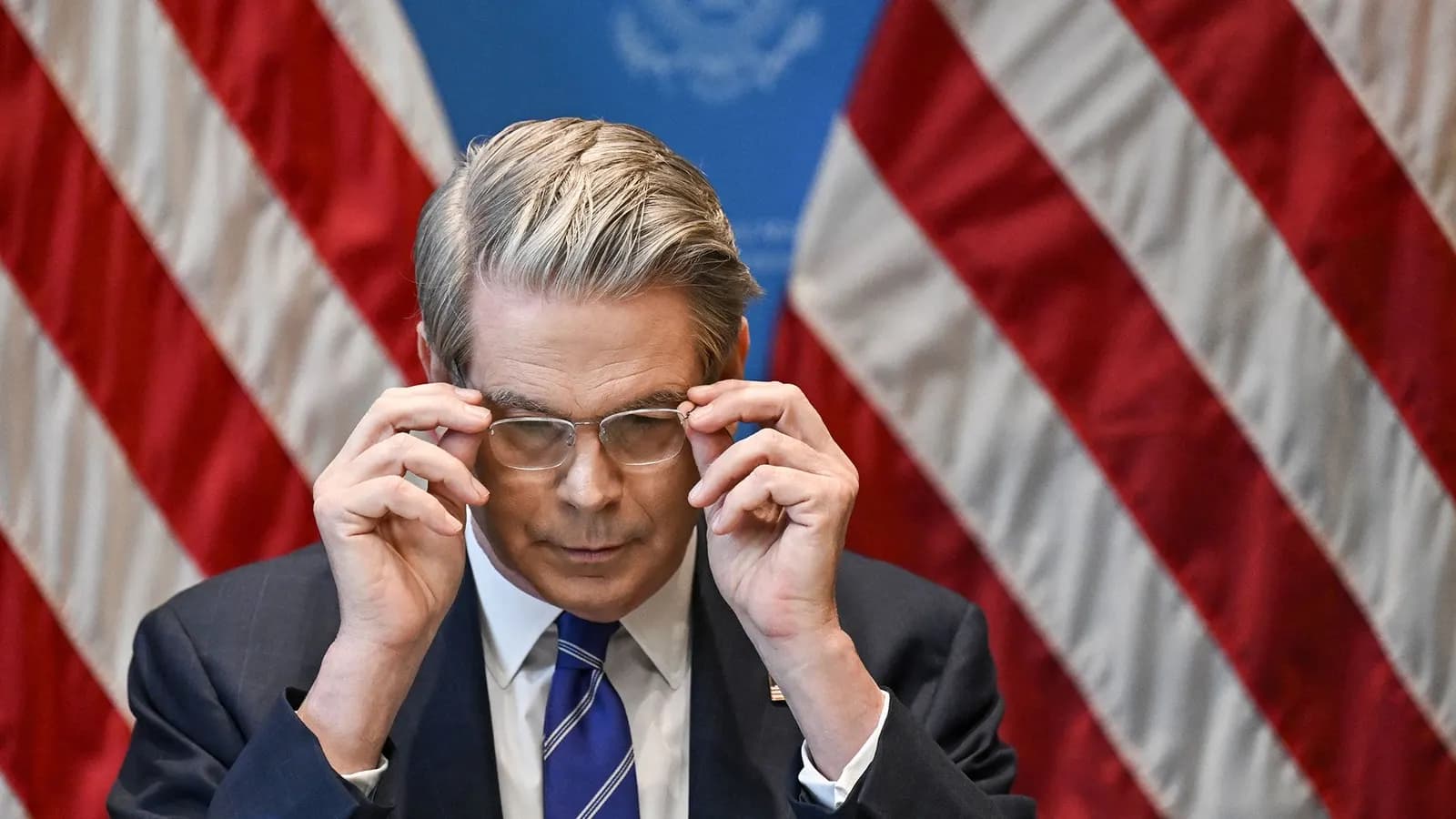
US Treasury Secretary Scott Bessent has acknowledged that the country's export controls have not fully prevented restricted hardware from reaching China or other rival nations. In his words, the system has a serious leak, and work is under way to close it. Allegations have circulated that China has obtained millions of restricted AI GPUs originating from Nvidia, and Bessent steered the debate toward the company's own internal controls.
Speaking in a television interview, Bessent said the narrative so far has centered on the personal missteps of Nvidia CEO Jensen Huang. The real question, he argued, is whether Nvidia knew its customer and whether there was a robust effort to prevent sales to shell companies that were plainly acting as intermediaries. He said it matters that everyone responsible for this inside the company is held accountable.
Enforce existing rules rather than write new ones
Bessent conceded that, despite strict export controls banning the sale of advanced AI GPUs to China, a considerable share of restricted hardware can still make its way into the country. Even so, he said he does not believe the US needs tougher export restrictions or additional powers for government agencies. In the Treasury Secretary's view, what is needed is for existing regulations to be enforced properly.
He added that, if the situation he described did in fact occur, it would mean the company lacked robust controls.
Huang's knowledge unclear, general counsel criticized
Bessent stressed that it is not known with certainty whether Jensen Huang was aware of these practices. He did, however, criticize Nvidia's general counsel, Timothy Teter. According to the account, Teter contacted the Commerce Department to find out whether US authorities were behind the detention in Singapore of Alice Wong, who is linked to Megaspeed. Bessent said the general counsel should be exercising more oversight rather than leaning on Commerce officials.
Bessent declined to speculate about what awaits the company if it emerges that Nvidia executives knew their customers were acting as intermediaries for Chinese entities. He said he trusts the Nvidia board to conduct a thorough review of the matter.
Why was Megaspeed's blacklisting delayed?
According to Bessent, the Treasury, War and State departments and the US Trade Representative (USTR) had backed adding Megaspeed to the Entity List for months. But the authority to implement such export restrictions sits with the Bureau of Industry and Security (BIS), part of the Commerce Department.
BIS reportedly held up efforts to blacklist Megaspeed for months. The reason given is concern on the part of Commerce Secretary Howard Lutnick that the move could further escalate trade tensions with China.
Add as a preferred source on Google
Comments
No comments yet. Be the first to comment.


