
US Senators Press Meta Over Privacy Risks of Its AI Smart Glasses
Senators Ron Wyden and Edward Markey sent Mark Zuckerberg a letter questioning the "serious privacy and security risks" of Meta's AI-powered smart glasses and demanding answers by November 26, 2026.
 Merhabyte Newsdesk · · 2 min read
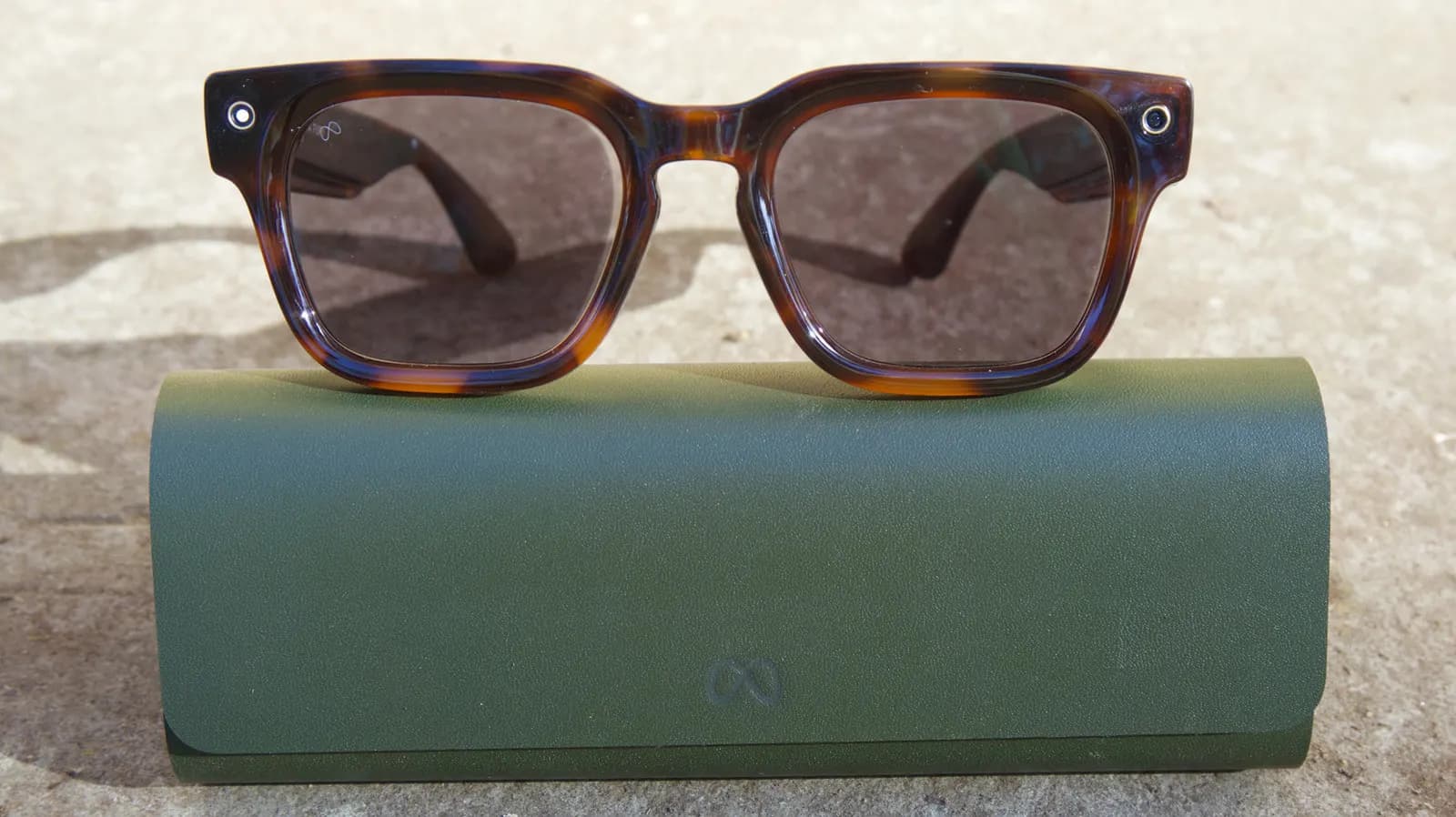
US Senators Ron Wyden (D-Ore.) and Edward Markey (D-Mass.) are scrutinizing the "serious privacy and security risks" posed by Meta's AI-powered smart glasses. In a letter to Mark Zuckerberg, the two lawmakers said the glasses have increasingly been associated with disturbing violations of the privacy of both users and the people around them.
According to the senators, Meta identified risks to bystander privacy before launch yet went ahead and put the glasses on sale. The letter asks the company to answer a long list of questions covering the camera, the recording indicator, access to footage and safety testing.
Examples cited in the letter
The senators pointed to multiple incidents in which Meta's glasses were used in troubling ways. One involves men covertly recording women with what have come to be called "creep glasses," harassing them and then posting the footage on social media. The letter cites two news reports on the practice.
Other reports and a lawsuit allege that AI contractors working for Meta said they reviewed footage captured by the glasses showing people changing clothes or having sex. The senators brought those claims into the letter as well.
What Meta is being asked to explain
Wyden and Markey want Meta to answer specific questions about the camera being activated by accident and about tampering with the recording indicator. They also want to know whether the glasses blur faces and license plates during some AI interactions, as Meta does on Facebook and Instagram.
The senators are also seeking an explanation of the circumstances under which company employees or contractors can access footage, and when that footage is used to train AI models. Finally, citing Meta's own documents, they asked whether the company carried out a detailed human rights assessment and safety testing before releasing the glasses. The deadline for responses is November 26, 2026, which falls on Thanksgiving.
A growing list of complaints
Criticism of the glasses goes beyond what the letter mentions. Some users claimed that after a firmware update the glasses recorded their conversations without permission. The glasses have reportedly been spotted on ICE agents during raids, and the New York Police Department's counterterrorism unit voiced concerns in January this year about the devices' surveillance potential.
The debate is also playing out on the regulatory front: in October, California Governor Gavin Newsom vetoed a bill that would have banned people from using wearable devices to secretly record others in the private areas of businesses.
Wyden and Markey appear determined to keep pushing. In the letter, they wrote that Meta's stated commitment to privacy and to preventing intimate image abuse will ring hollow unless the company shows it is taking meaningful steps to keep its own products and apps from enabling those harms.
Comments
No comments yet. Be the first to comment.