US Gets Court Authority Over $1.2B Stolen From Binance
The US Justice Department says over $2.7 billion of the $6.7 billion stolen from Binance has been frozen. It also disrupted the infrastructure behind the FaceStealer scheme.
 Merhabyte Newsdesk · · 3 min read
The US Department of Justice (DoJ) has announced that it obtained court authority to seize or restrict a portion of the crypto assets stolen from Binance. According to the statement, joint efforts by the public and private sectors have frozen more than $2.7 billion in total, and for $1.2 billion of that amount the authorities secured court-approved authority to seize or restrict the funds.
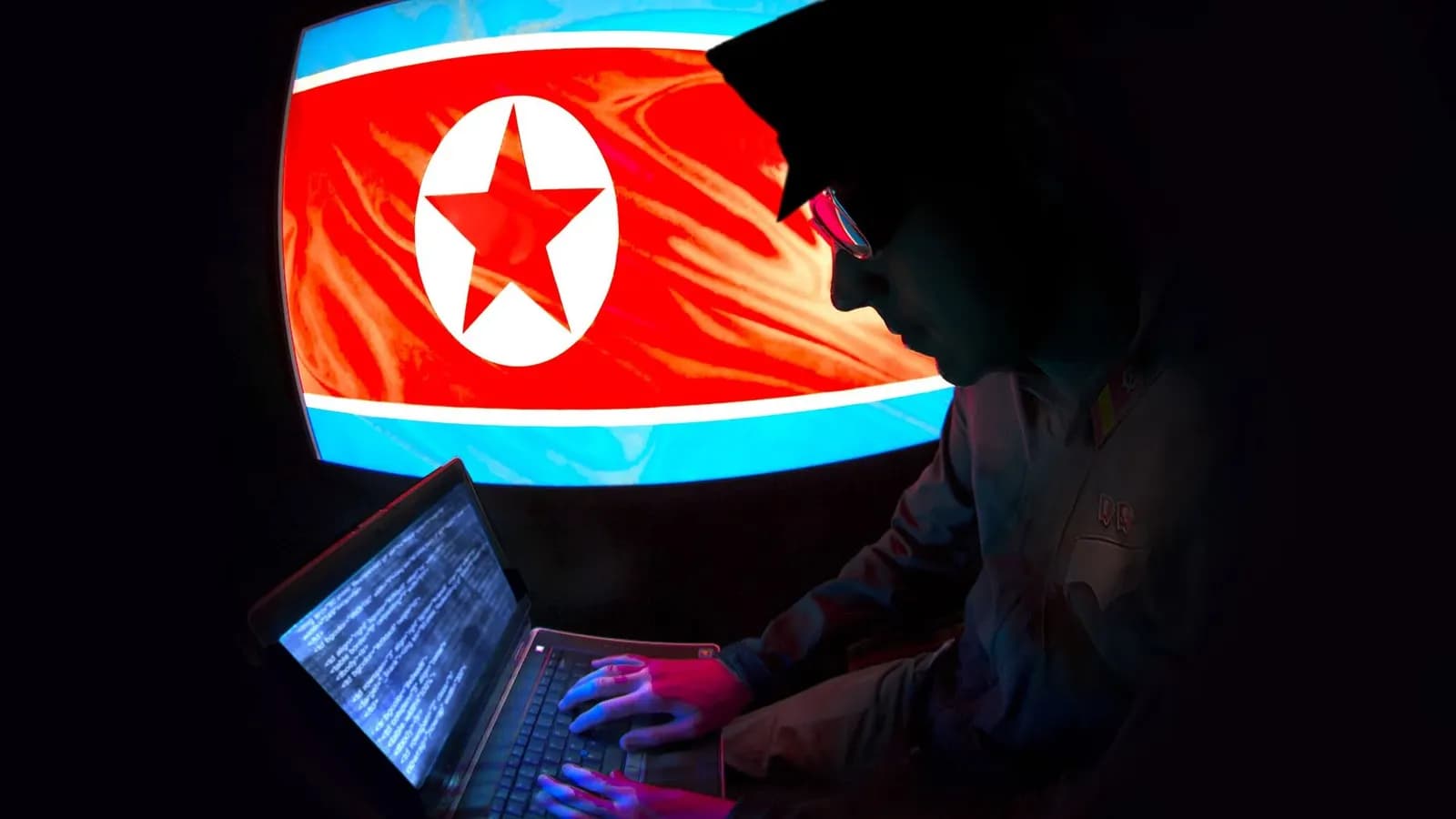
Binance said it lost $6.7 billion in an extremely sophisticated attack, lasting about 20 minutes, in late October 2026. In the days that followed, the attack was attributed to TraderTraitor, a North Korea-backed subgroup of the notorious Lazarus Group. The crypto community also stood by Binance during this period, helping to trace the funds and label the attackers' wallets.
Assets frozen and targeted for seizure
According to the DoJ, the National Security Division's National Security Cyber Section, the Criminal Division's Computer Crime and Intellectual Property Section, the US Attorney's Office for the District of Columbia and law enforcement partners worked closely with virtual asset service providers after the theft to cut off the stolen funds. The department said these combined efforts have so far frozen more than $2.7 billion, and that it has obtained court authority to seize or restrict $1.2 billion of it.
The fate of most of the stolen money, however, remains unclear. The Justice Department did not explain what seizure or restriction means in practice, how it is carried out, or whether the assets will be returned to Binance.
Disrupting the FaceStealer infrastructure
The same announcement said the US government also neutralized the cloud-based infrastructure North Korean hackers used in a social engineering scheme called FaceStealer. The scheme is said not to have been used in the Binance attack, but it is linked to roughly $400 million in thefts over the past 18 months. Its method is reportedly nearly identical to the one TraderTraitor used in its attack.
As the name suggests, FaceStealer steals victims' faces, which are then used in identity theft and form an important link in the crypto theft chain. According to the DoJ, the attackers first take over the account of someone the target knows and invite the target to a video call. On a fake Zoom platform, the victim watches a previously stolen recording of the acquaintance but hears no sound. The victim then receives a message saying a driver update is needed on their computer in order to hear audio and join the call. That driver is in fact an information-stealing program or an intermediary tool that provides access to a wider network.
How the attack worked and the North Korea link
The attack reportedly took months to prepare, and the group is said to have infiltrated Binance through an employee's device. According to the allegations, the employee was invited to a fake job interview and infected with malware during the session, which gave TraderTraitor valuable access. How the group turned that access into the largest crypto theft in history is still not clear.
The stolen assets were drained from 10 different chains, including Bitcoin, Ethereum, XRP, Solana and Arbitrum. The money belonged to Binance, not to its customers. Funds leaving the company's wallets were routed through various mixers and other money laundering services.
North Korean state-backed actors are counted among the most active and destructive hackers. Various sources in the cybersecurity community claim that the North Korean government uses the stolen money to fund the state apparatus and its nuclear weapons program. Pyongyang, when it does respond, generally dismisses such claims as baseless and accuses the US of doing the same.
Add as a preferred source on Google
Comments
No comments yet. Be the first to comment.