United Airlines Restricts AI Agents From Booking Flights
United is limiting AI agents from buying tickets on its website, through third-party agencies and via flight aggregators, citing security and regulatory concerns.
 Merhabyte Newsdesk · · 2 min read
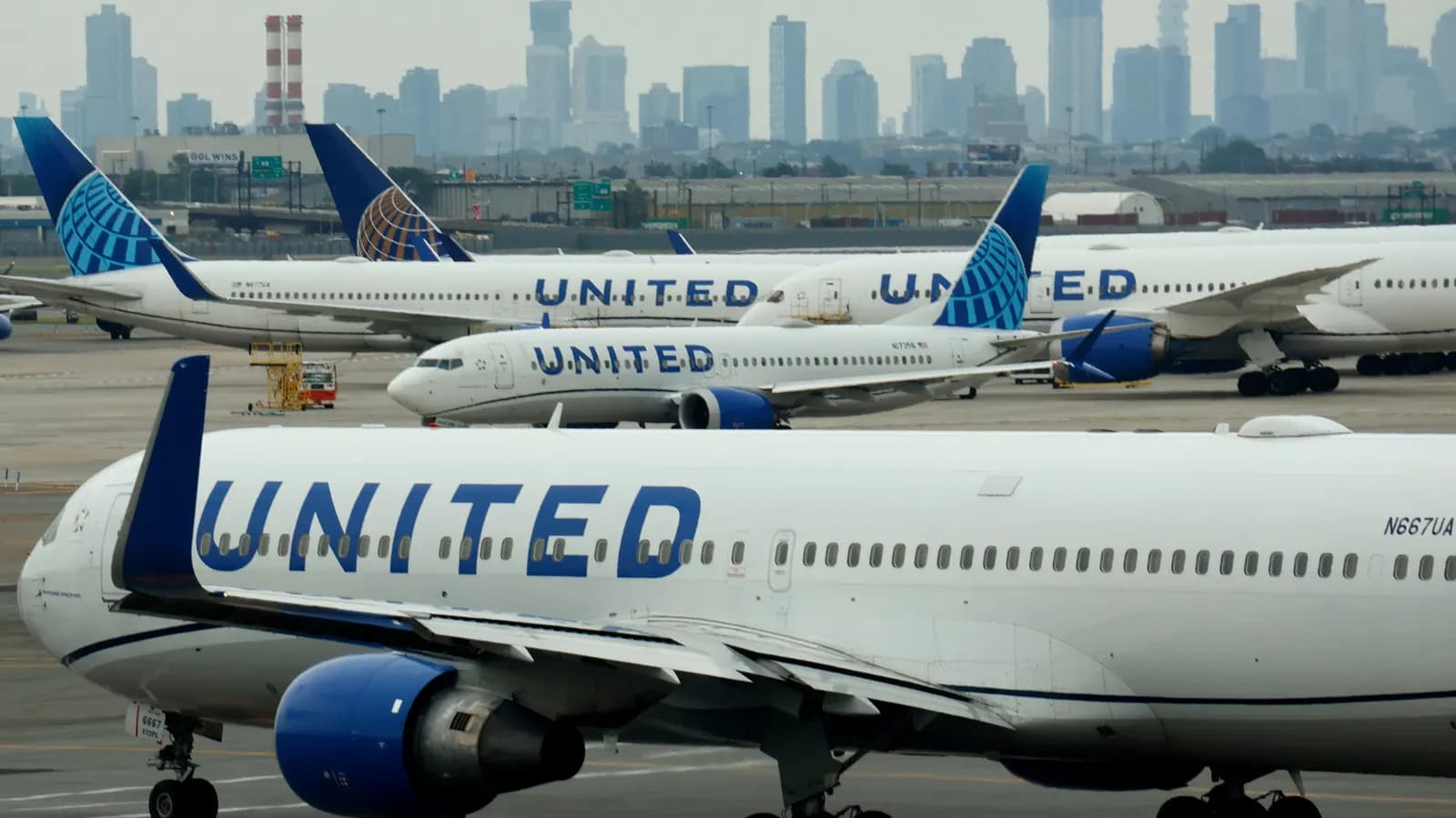
United Airlines has announced a change to its ticket sales policy that will restrict AI agents from booking flights. The limits apply not only to the airline's own website but also to third-party travel agencies and flight aggregator platforms.
With the move, United joins organizations such as JPMorgan Chase and Amazon, which have blocked agents from using their products over security and privacy concerns.
Security and regulatory reasoning
According to United, sharing payment details or account login credentials with an AI agent can expose sensitive data. The company says this could lead to unplanned purchases, account changes or the unintended use of MileagePlus miles.
The airline also argues that an agent completing a booking could violate existing rules from the US Department of Transportation (DOT) and the Federal Aviation Administration (FAA). One example it cites: during check-in, the confirmation that a bag contains no explosives can only be given by a human.
No appetite for another middleman
Beyond security and regulation, United also appears keen to avoid being associated with an agent-driven scandal. One example was Meta's Muse app leaking a user's address online. Like other companies, United wants to keep AI from inserting itself into its relationship with customers.
CEO Scott Kirby reportedly made the company's reluctance to enter agentic commerce plain. Speaking at an event on Tuesday, he said that, frankly, United does not want to create another middleman. Not everyone in the industry shares that stance: Southwest has built a plugin that lets users book flights through ChatGPT.
Agentic commerce is not mainstream yet
Agent-based shopping may not be spreading quickly among everyday users. On its third-quarter earnings call, Uber said it completed 320 million trips and deliveries during Halloween week. Only 500 of those were Uber Eats orders and four were rides made through AI agents. Those numbers do not point to a volume that will upend the industry.
Handing an AI your credit card is very different from giving it your email login, and both require a level of trust beyond asking it to send you a morning news digest. Even if many people download apps like Muse, an agent shopping on your behalf does not yet seem to have reached the convenience and reliability needed for it to catch on.
Add as a preferred source on Google
Comments
No comments yet. Be the first to comment.