
Nvidia Reportedly Wants 51% of Cloud Revenue From Outside China
Nvidia has reportedly told foreign cloud and data center customers to reduce their reliance on Chinese clients. The rule is said to cover only new contracts.
 Merhabyte Newsdesk · · 2 min read
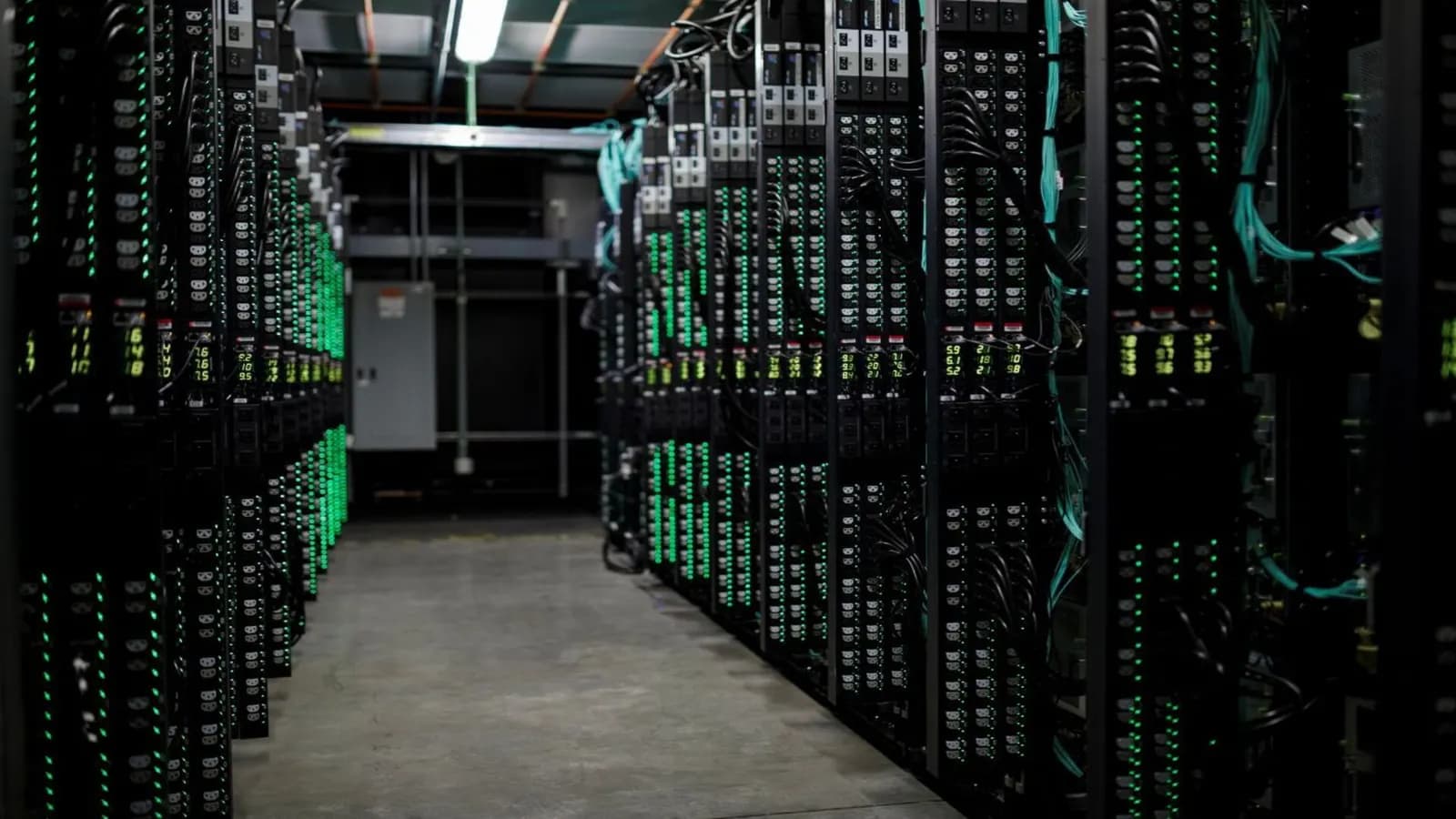
Nvidia has reportedly introduced a new commercial condition for foreign cloud providers that use its advanced AI processors. The company wants these providers to earn at least 51 percent of their revenue from customers outside China. The rule could complicate existing business models for data center operators that serve Chinese technology companies.
According to people familiar with the matter, the condition was communicated verbally through Nvidia's sales representatives and regional management teams. It is said to have taken effect over the summer and to apply to future commercial agreements rather than existing cloud computing contracts.
The rule is not limited to Asia
Two sources confirmed that the restrictions cover Nvidia customers worldwide, not just facilities in Asian markets. Cloud companies are expected to demonstrate sufficient international demand if they want to keep their commercial relationship with Nvidia.
In a statement on the matter, Nvidia argued that data centers and cloud infrastructure built on American processors form the foundation that allows American model and application developers to compete globally. The company also stressed that the United States has long encouraged every cloud provider to build on American infrastructure and win business everywhere.
Washington's scrutiny and the shortage in China
The move comes amid growing scrutiny in Washington over how advanced American processors reach Chinese technology companies. The US administration is reportedly trying to restrict access through intermediary firms, foreign computing facilities and similar commercial arrangements that go beyond existing export controls.
Chinese companies had increasingly turned to cloud providers abroad to reach advanced processors they cannot buy directly. Such arrangements make it possible to run compute-intensive AI workloads, such as training large language models. A full rack of Nvidia's B300, one of its most advanced processors, sells for roughly 600,000 dollars on the international market, while limited supply reportedly pushed the price in China to about 2.8 million dollars in October 2026. American export restrictions prohibit the direct sale of the B300 to China.
Data center operators in a bind
Nvidia has also reportedly cut the number of Asian companies authorized to buy its AI chips by more than half this year. The company is said to be applying tighter compliance checks to prevent restricted processors from reaching China through unauthorized suppliers and intermediaries.
The new condition creates a problem for foreign data center operators that previously relied on Chinese businesses for revenue. They now need enough customers to deliver at least 51 percent of their services to companies outside China. A representative of a Singapore-based cloud provider said finding enough international customers outside the United States has become harder under the new terms, and that strict enforcement would certainly hurt their business.
As a result, Chinese technology companies may find it increasingly difficult to rent advanced computing capacity from foreign providers. That could in turn affect their access to the resources needed for AI development.
Add as a preferred source on Google
Comments
No comments yet. Be the first to comment.


