
Neuralink patient plays a GTA 6 mission with a brain implant
A clinical trial participant has shared footage of himself completing a GTA 6 mission using a Neuralink implant and small physical movements. The clip was posted on social media.
 Merhabyte Newsdesk · · 2 min read
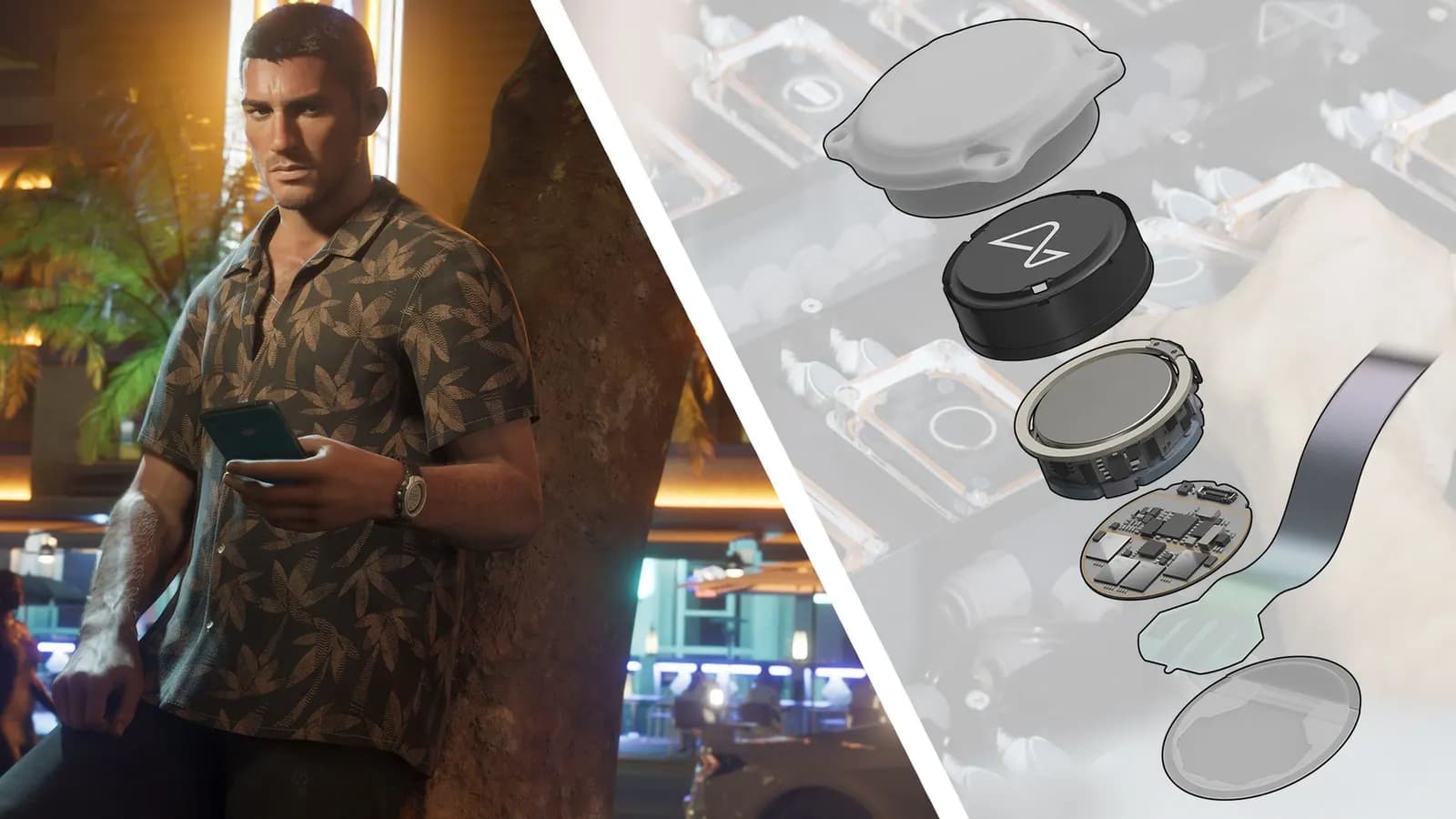
Neuralink has shared a short video of a clinical trial patient with a brain implant playing GTA 6. Feedback from the implant chip is overlaid on the gameplay footage, and the patient can be seen steering the in-game character through a mission.
According to the account that accompanies the clip, the setup appears to give control over in-game actions including fighting, driving, shooting and flying. The footage suggests the player relies on brain activity alongside small physical movements such as finger taps. That would make the experiment less a purely thought-controlled system than a setup in which brain signals and minor bodily movements are used together.
What the video shows
The clip Neuralink posted on social media is brief and offers very little detail about the experiment. The company does not explain in depth how the setup works or how the session was arranged. What the footage does show is the patient progressing through a GTA 6 mission, with feedback from the implant chip displayed over the screen.
The patient says that being able to control the game's protagonist this way is "pretty wild" and that the chip has opened a door to the world for him. He adds that he had previously been limited to games requiring only simple taps on an iPad screen, and that the Neuralink implant makes far broader control possible.
How a brain chip can control a game
Implants of this kind work by matching particular patterns of brain activity to particular intentions. The user goes through lengthy training routines, and the system learns which firing pattern corresponds to which command. Intentions such as "press the A button" or "tap point B" are translated into digital commands in this way.
Such chips have made headlines before, with small devices able to turn "thoughts" in the brain into speech and real-world actions. The GTA 6 example shows the technology being tried in a richer scenario, the control of a complex game. Managing such different actions as fighting, driving, shooting and flying through a single interface demands a very different skill from simple taps.
Research continues, no approval yet
Neuralink stresses in its post that the research is ongoing. These implants have not yet been approved by regulators and are currently offered only to volunteers taking part in clinical trials. The demonstration should therefore be read as the result of an ongoing research effort rather than a commercial product.
Neuralink and other companies continue to work on smart brain implants, and the expectation is that such technologies will become more widely available to people who need them before too long. No timeline for that has been shared, however. For now, the demonstration stands as a step that shows the technology's potential but has yet to reach a wide audience.
Add as a preferred source on Google
Comments
No comments yet. Be the first to comment.


