
Jensen Huang Resigns as Nvidia CEO, Chair and Board Member
Nvidia's board accepted Jensen Huang's resignation as CEO, chairman and director. CFO Colette Kress has been named interim CEO while the company searches for a permanent successor.
 Merhabyte Newsdesk · · 2 min read
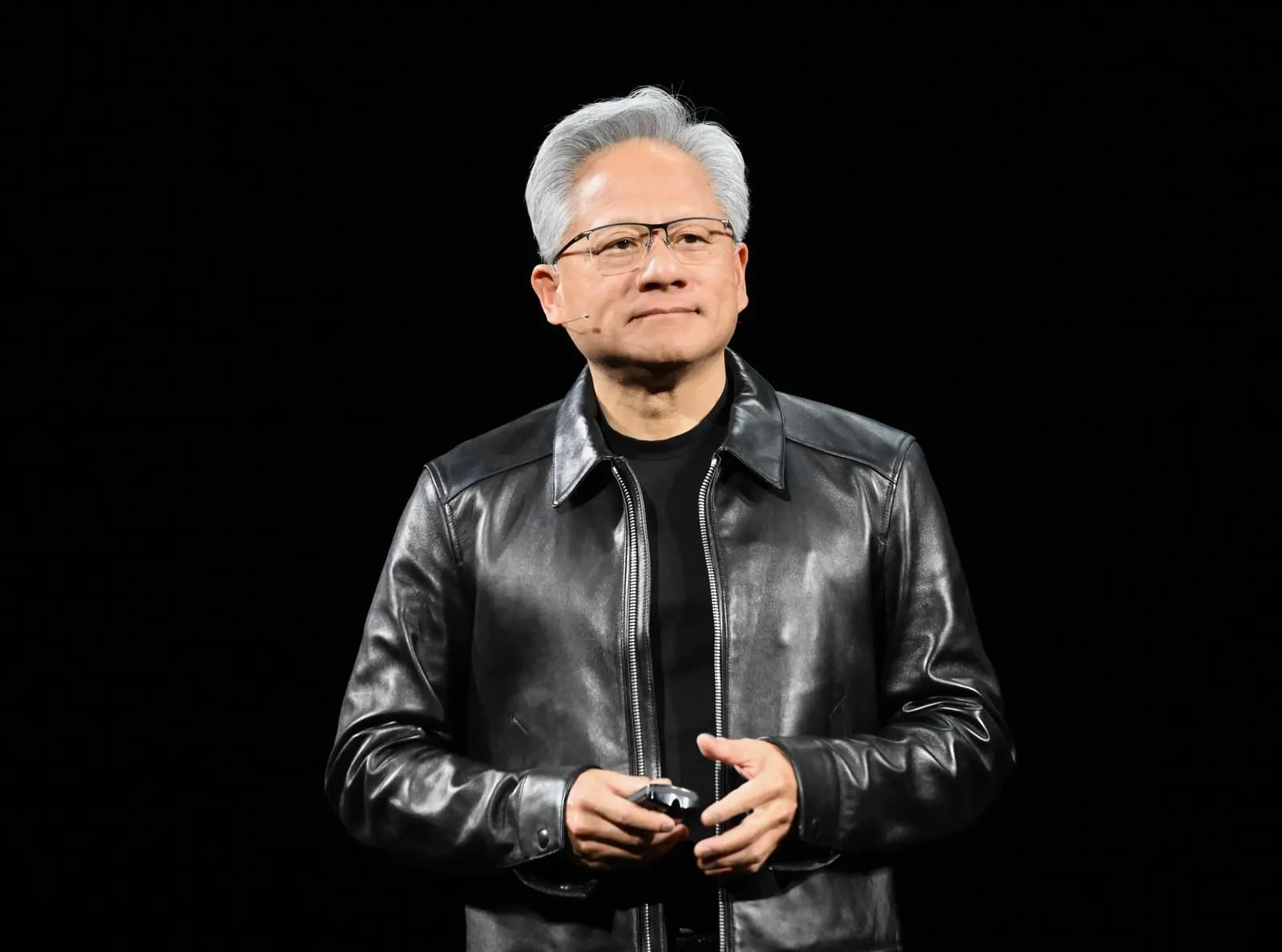
Jensen Huang, co-founder of Nvidia, has resigned as the company's CEO, chairman and board member. The board accepted his resignation letter after a meeting late on Wednesday night, and the departure took effect immediately. The decision followed reports about two extramarital relationships.
Huang had led Nvidia since its founding in 1993. The company is now widely regarded as the most powerful player in AI chips, which is why the change at the top is being watched so closely.
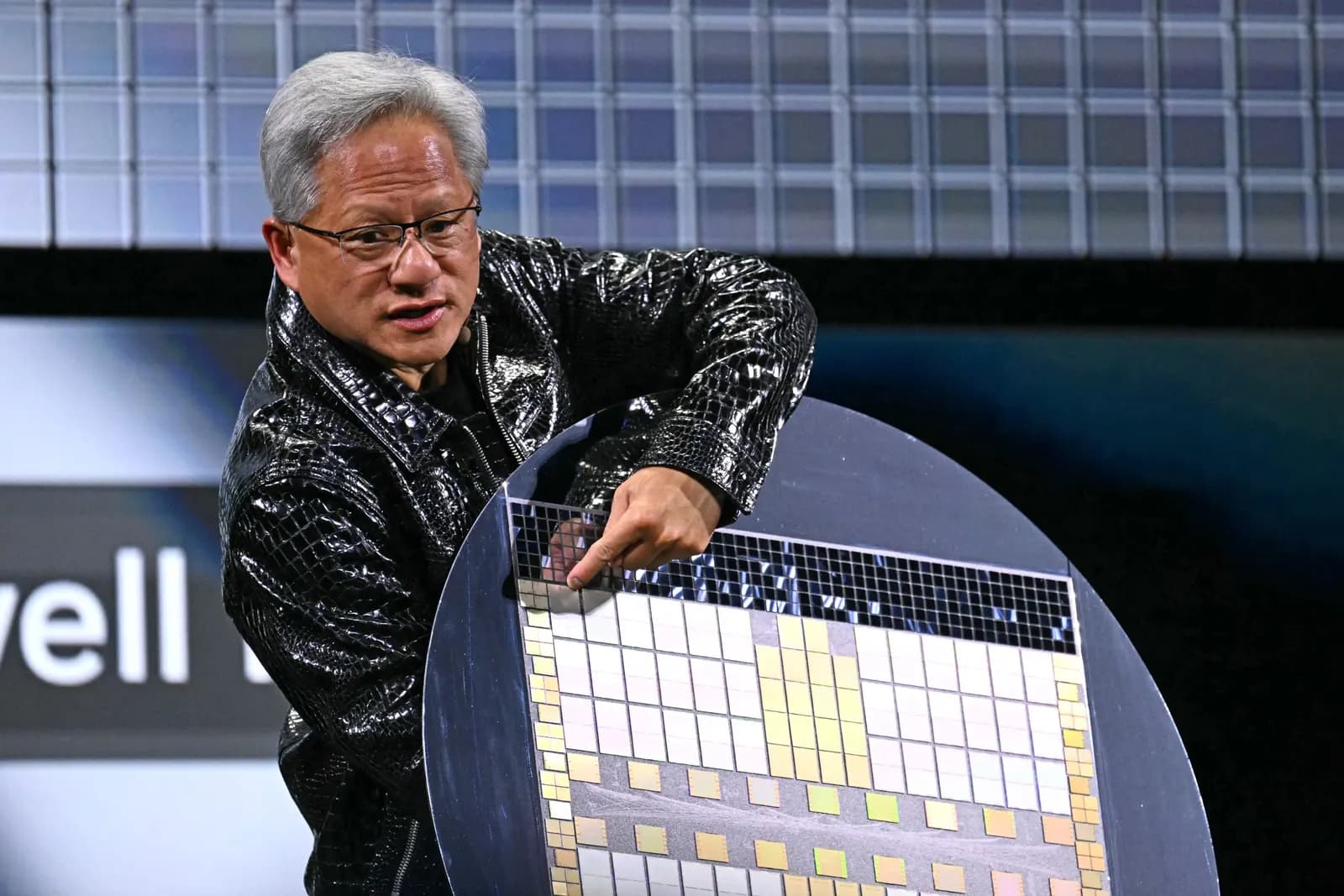
What changes at the top
After accepting the resignation letter, the board named chief financial officer Colette Kress as interim CEO. Kress has been at Nvidia since 2013 and previously worked at Cisco and Microsoft. The company also said it has begun a search for a permanent CEO and will consider both internal and external candidates.
The corporate structure changed as well. Harvey C. Jones, the former CEO of Synopsys, was appointed as the first chairman of the board in Nvidia's history. The company's announcement included no statement from Huang. Kress said in her own statement that Nvidia's strength has always come from its people, that the company will keep building on the extraordinary foundation Huang laid over the past 33 years, and that its focus remains on serving customers, partners, developers and shareholders.
The events leading up to the resignation
Last week, reports emerged that Huang had been in a romantic relationship with Alice Huang, an executive at Megaspeed, a Singapore-based cloud provider and one of Nvidia's large customers. According to those reports, the executive was also allegedly an informant for China's Ministry of State Security, said to be gathering information on advanced US AI chips and trying to influence the technology offered to China. Over the weekend, Huang acknowledged in a note to employees that he had been unfaithful to his wife and apologized to his family and to shareholders.
Until Monday, analysts, venture capital investors and even Donald Trump were reportedly expecting Huang to keep his job, and Silicon Valley figures such as Elon Musk had defended him. On Wednesday, however, a second report said Huang had also had an extramarital relationship with an executive who reported directly to him. Citing five Nvidia employees, the report named Kimberly Powell, the company's vice president in charge of healthcare. Shortly afterward, it was reported that the board would meet as early as Wednesday evening to discuss Huang's future and might consider removing him.
Nvidia's power and the open questions
Nvidia is the principal supplier of the chips that power AI infrastructure in the United States. Demand for its chips constantly outstrips supply, and AI company executives frequently ask for more allocation, requests that sometimes go unmet. The company's investment portfolio, valued at about 99 billion dollars, also gives it additional influence in the AI sector. Huang is also said to have cultivated a close relationship with President Trump in recent years.
That has raised questions about how the relationships may have influenced Huang's efforts to sell advanced chips to China, and even US decisions on AI export controls. Names floated as possible permanent CEOs include Kress, Apple hardware chief Johny Srouji, Nvidia's Ian Buck, AMD CEO and Huang's cousin Lisa Su, and Arm CEO Rene Haas. These are candidates raised in press reports, not names put forward by the company.
Add as a preferred source on Google
Comments
No comments yet. Be the first to comment.


