
iPhone Duo 2 May Get Face ID on Its Outer Display, but Time Is Tight
Apple engineers are reportedly working to build Face ID into the second-generation iPhone Duo's outer display, though the feature may not be ready in time.
 Merhabyte Newsdesk · · 2 min read
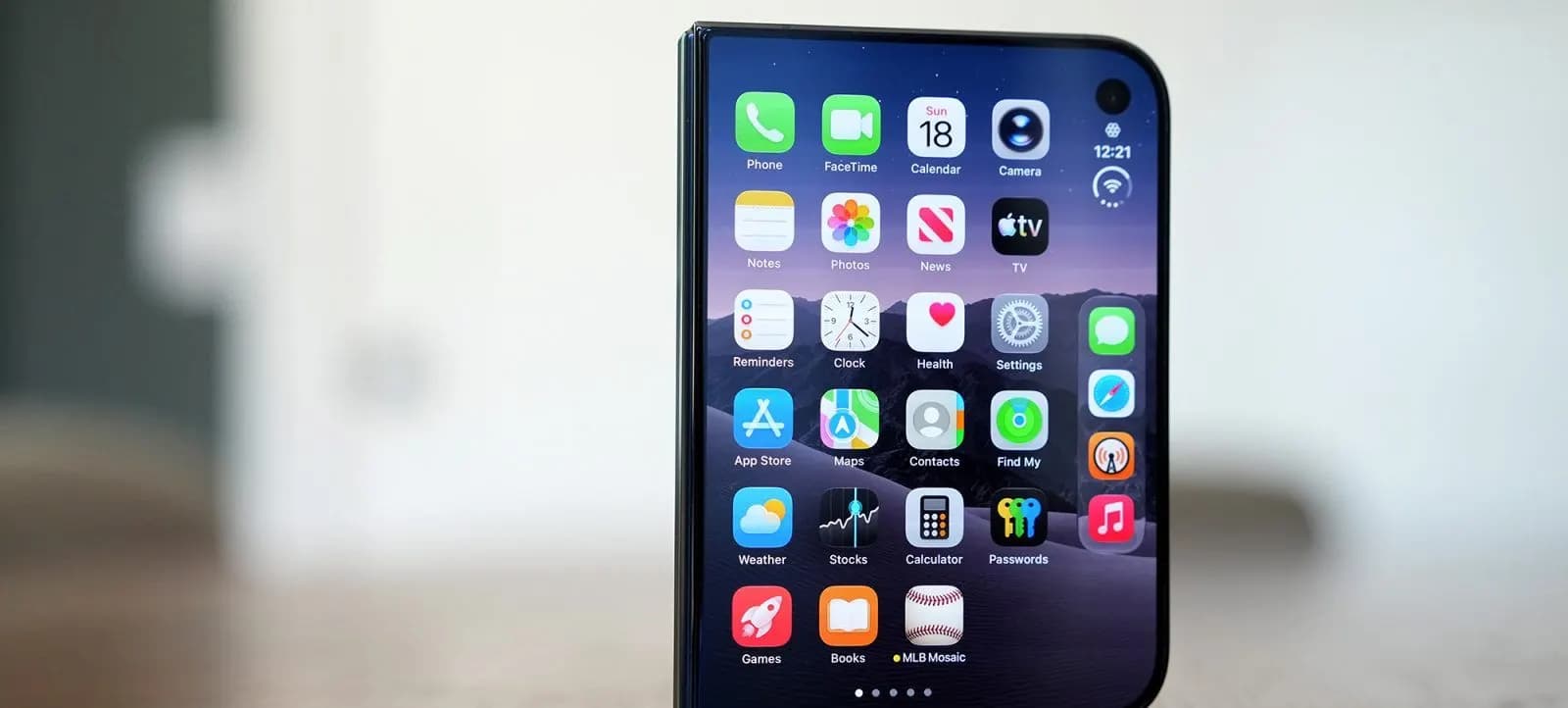
Beyond the usual chip and camera upgrades, it is still unclear what Apple will offer with the second-generation iPhone Duo it is expected to unveil next fall. According to reports, the company's engineers are trying to integrate Face ID into the device.
The same information suggests the schedule is tight and that there is no certainty the feature will make it into the second-generation model. If it does not, Face ID is said to be left for the third-generation iPhone Duo, due in 2028.
Apple's two priorities for the Duo
Reportedly, Apple is putting two items front and center for the iPhone Duo: Face ID and an Action Button. The latter may end up being less a new hardware button than a software addition. It could be an option that lets users take the press-and-hold gesture of the Camera Control button, which currently launches Siri in the Camera app, and assign it to an app of their choosing.
The Face ID side appears more ambitious. Apple has reportedly already built iPhone Duo 2 prototypes with Face ID, and engineers are still actively working on integrating the facial recognition system into the device's outer display. Even so, because the schedule is tight and the feature is not yet fully ready, nothing definitive is being said about whether it will reach the final product.
What is planned for later generations
The roadmap is not only about authentication. Other goals set for the next few generations include adding a telephoto camera and making the device thinner and lighter overall. Face ID is described as the top priority on that list.
A lighter device would certainly be a worthwhile improvement. Slimming the device down a further step would also be an interesting engineering achievement.
How meaningful is Face ID on the outer screen?
In the assessment of the writer who reported the story, having Face ID only on the outer display looks like a limited gain at first glance. Reaching Touch ID on the inner display can sometimes be awkward, depending on how you hold the device. If facial recognition is coming to just one screen, that view holds, the inner display would benefit more.
The outer display, by contrast, is usually held in one of two ways: upright in the left hand or in the right. On the inner display, the way you hold the device can change how easy it is to reach the fingerprint sensor. The real difference Face ID makes will therefore depend on which display it is placed on and how the user holds the device. None of this is settled yet, and whether the feature makes it into the second generation should become clear over the coming months.
Add as a preferred source on Google
Comments
No comments yet. Be the first to comment.


